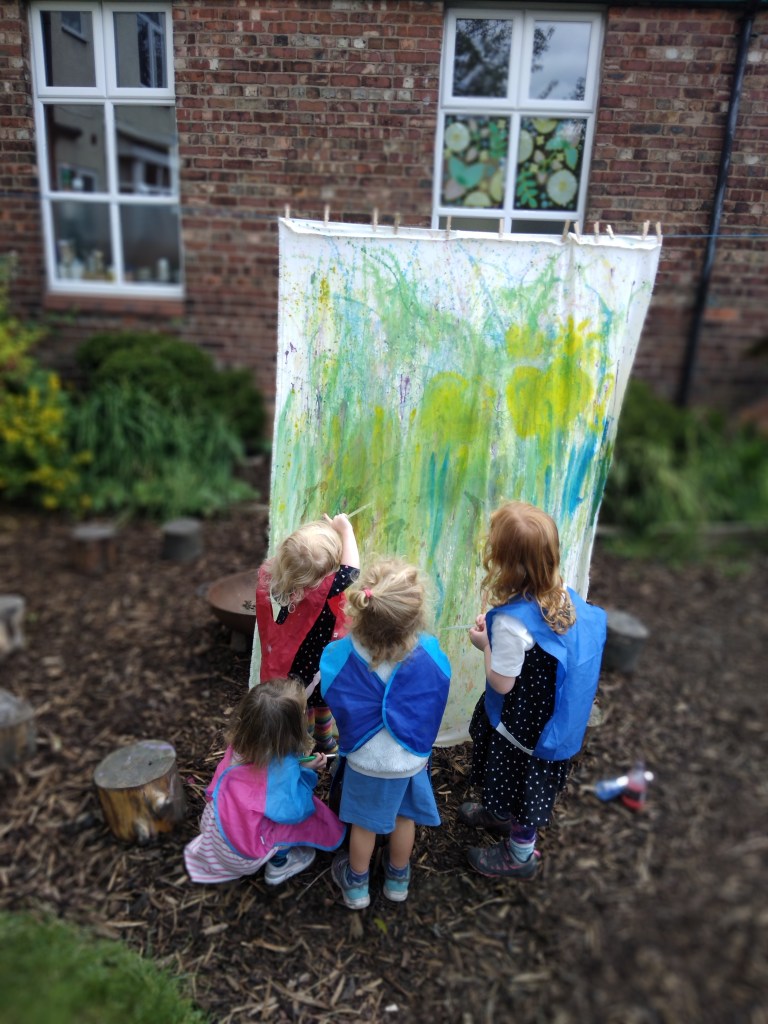
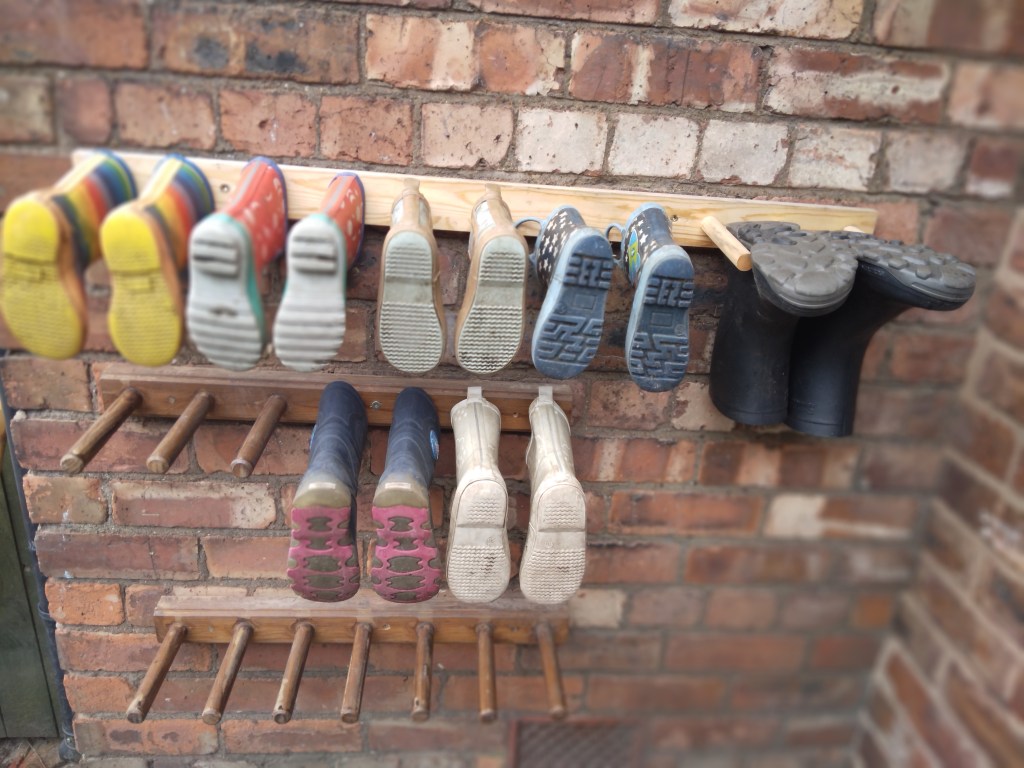
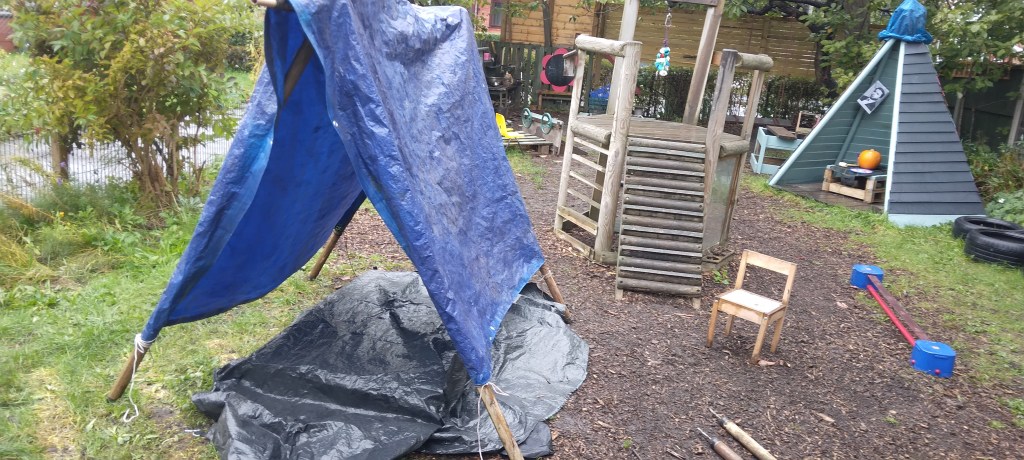
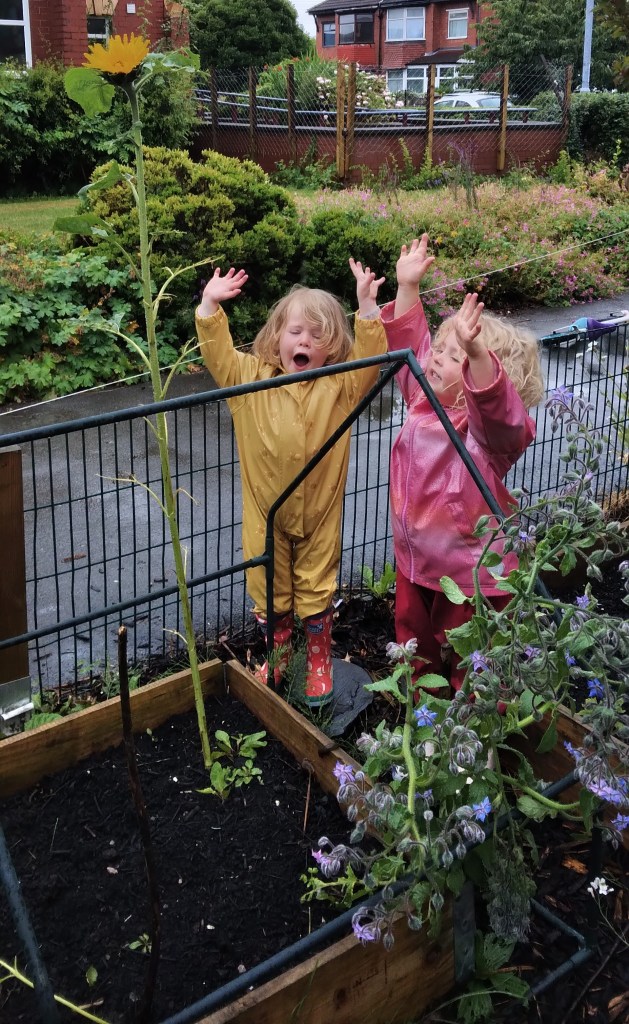
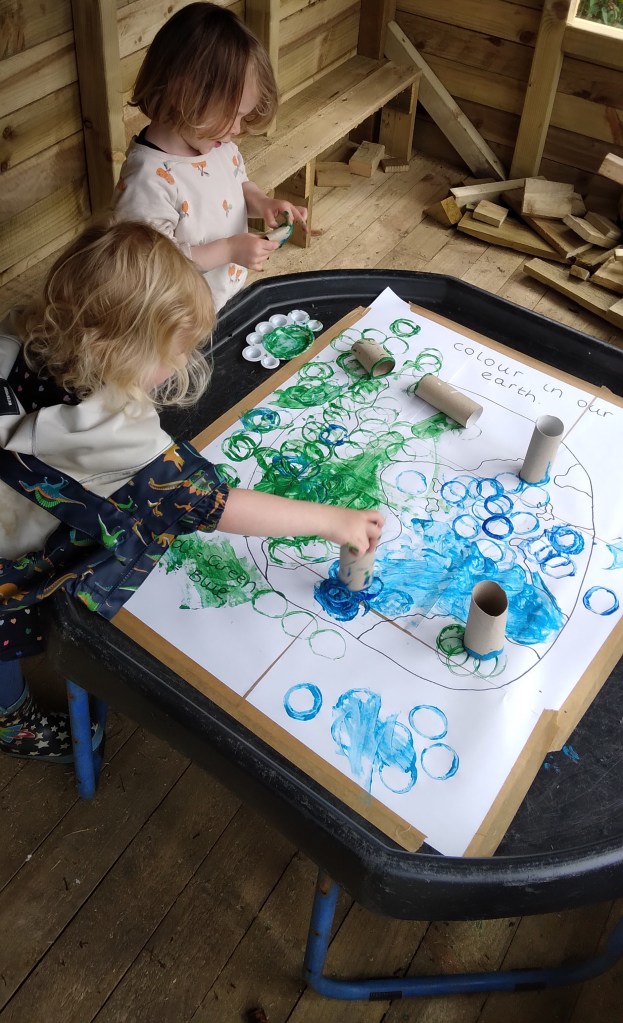
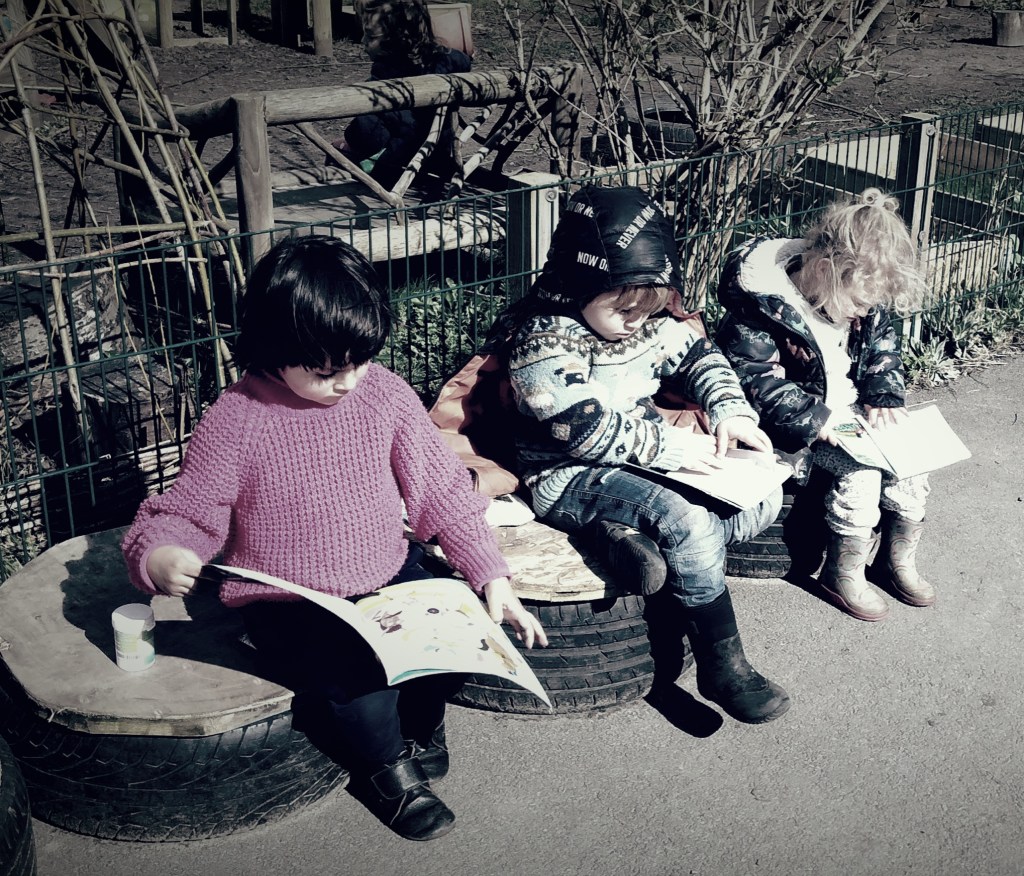
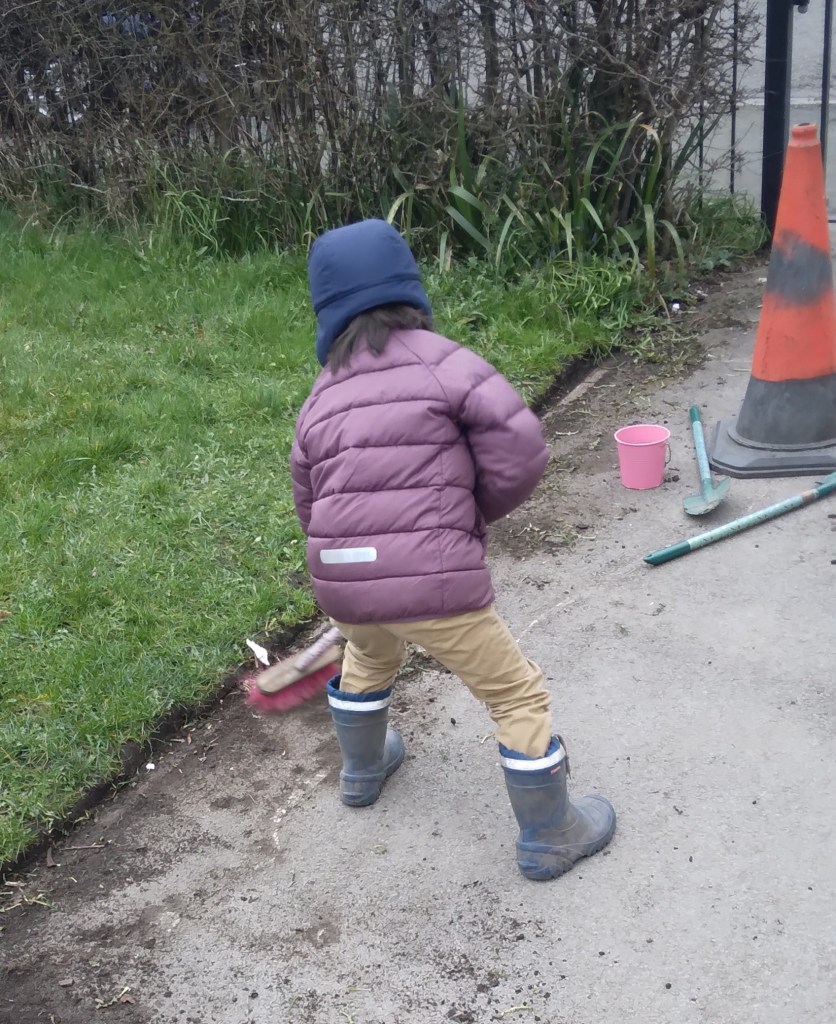
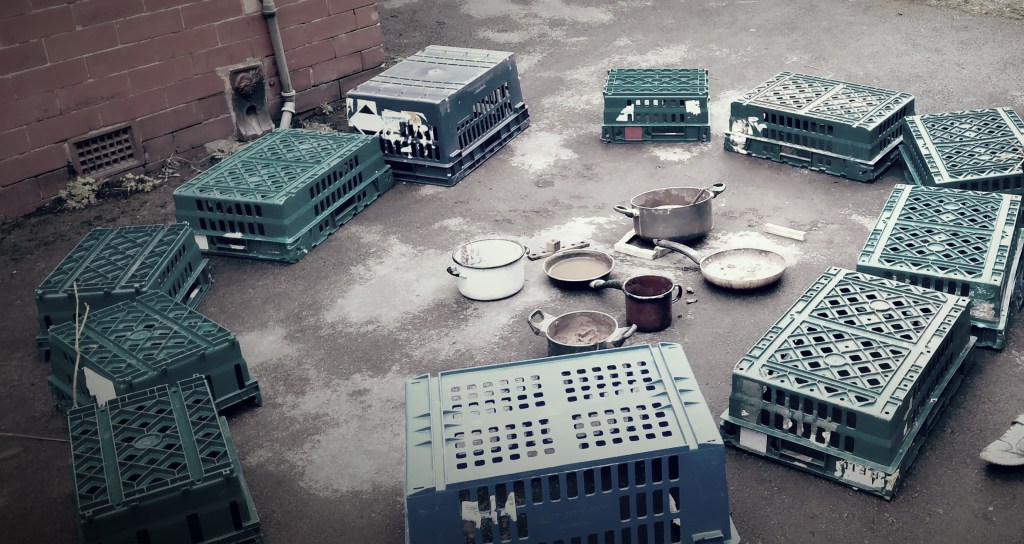
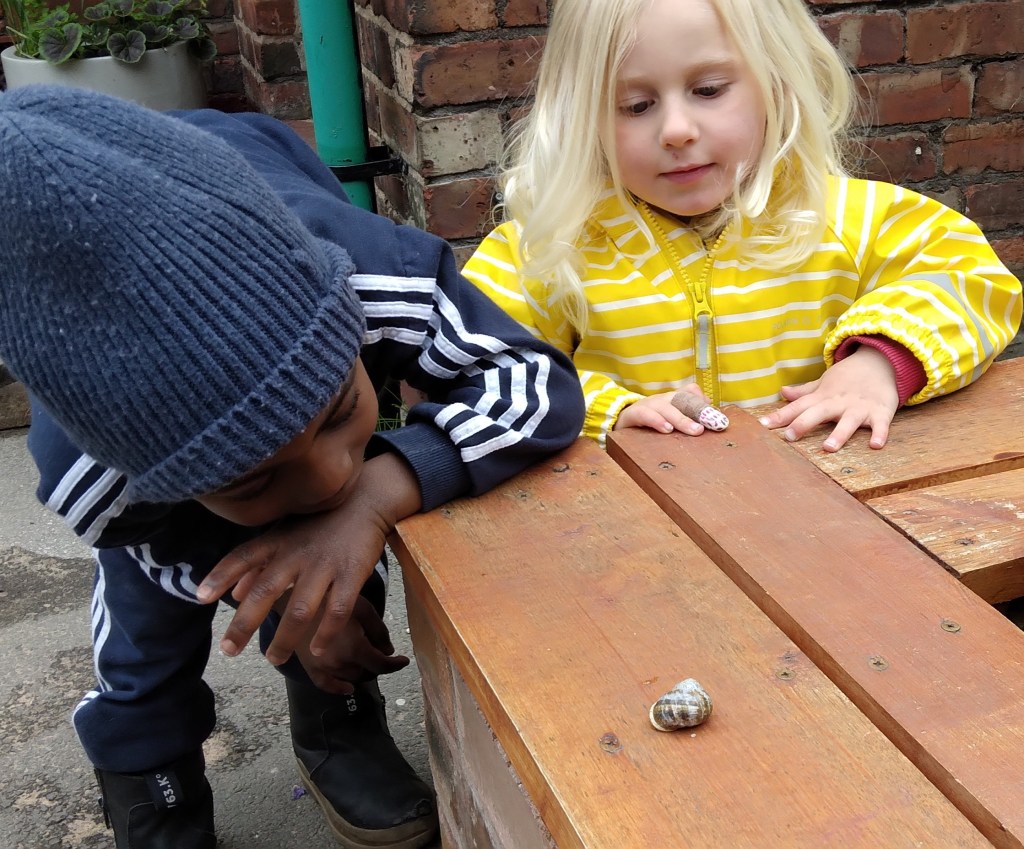
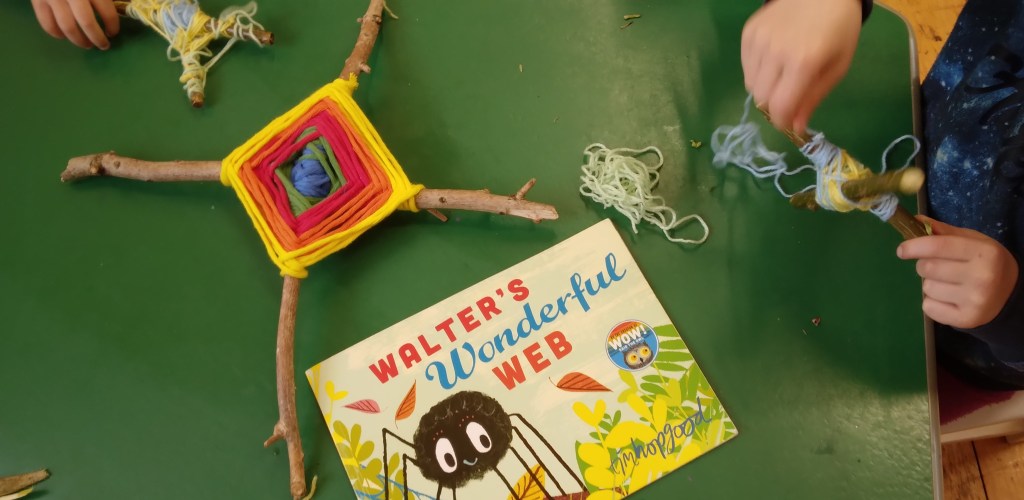
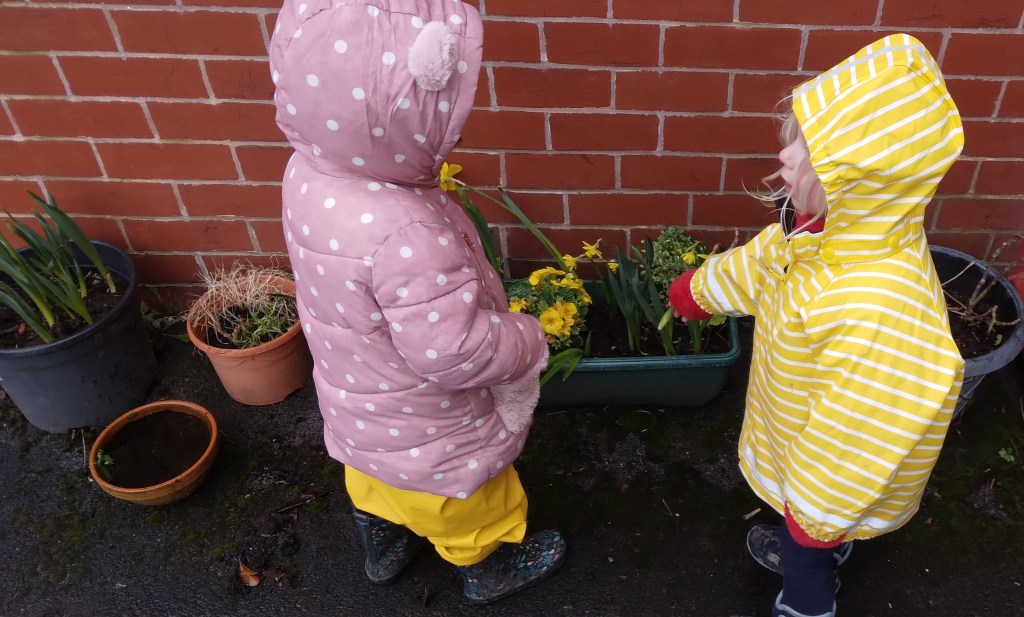
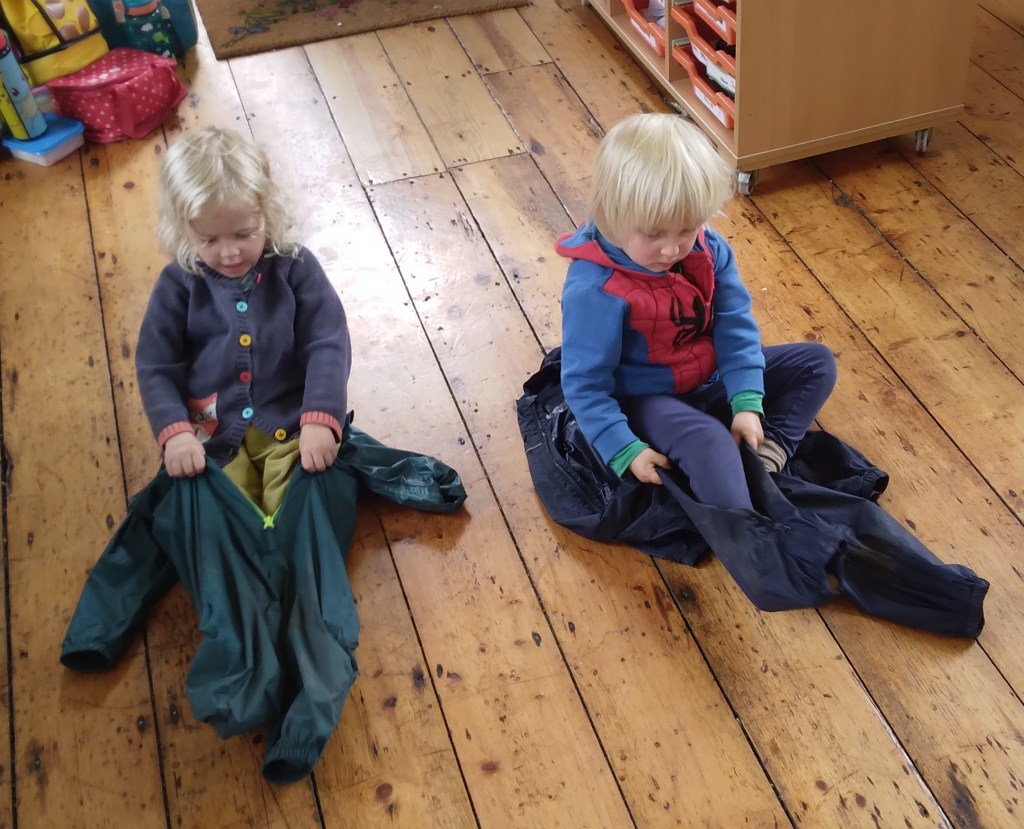
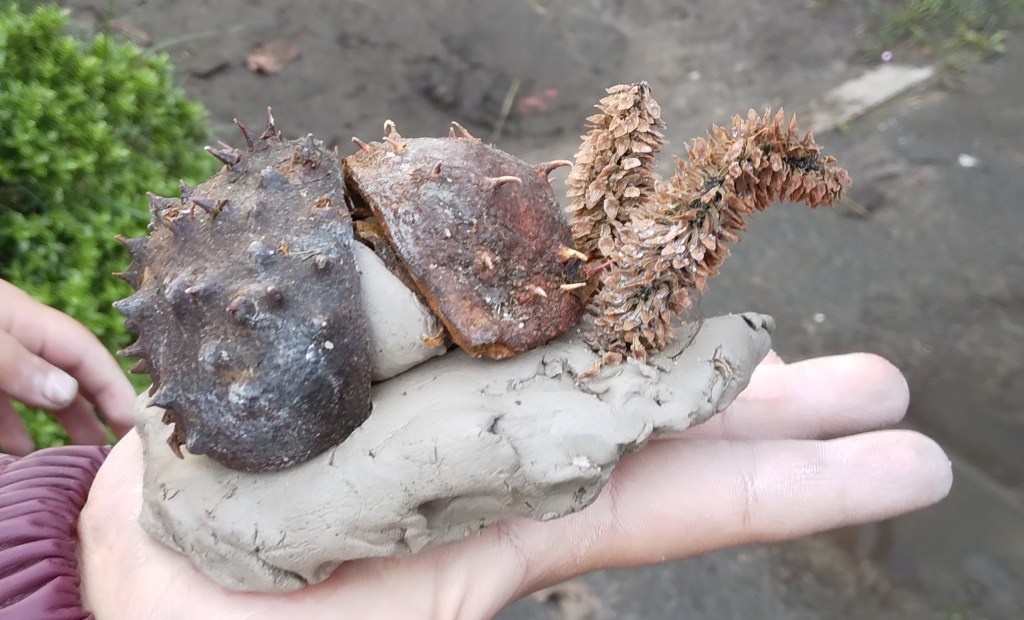
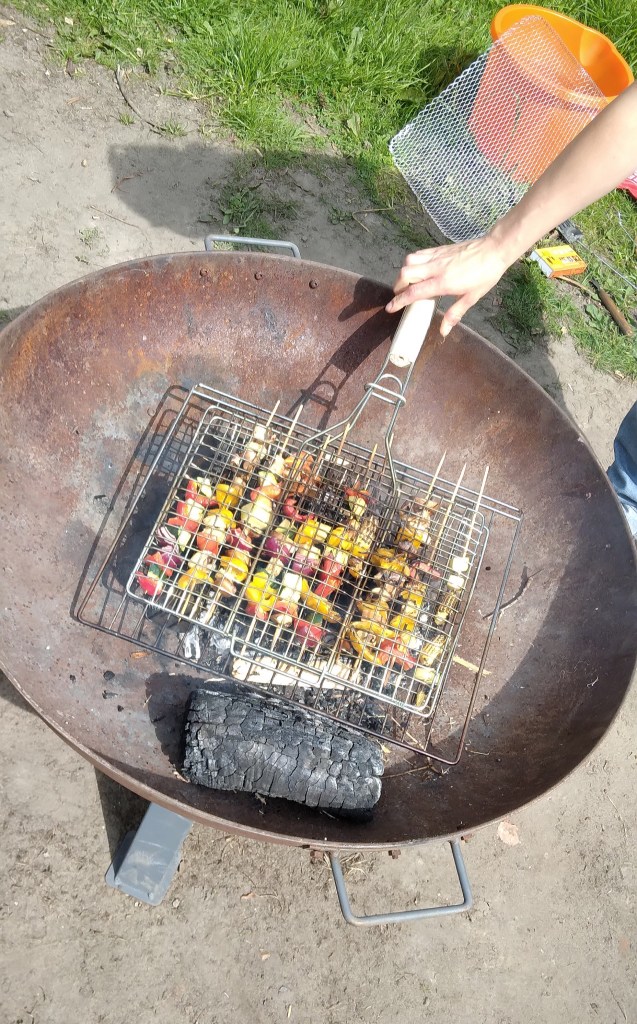
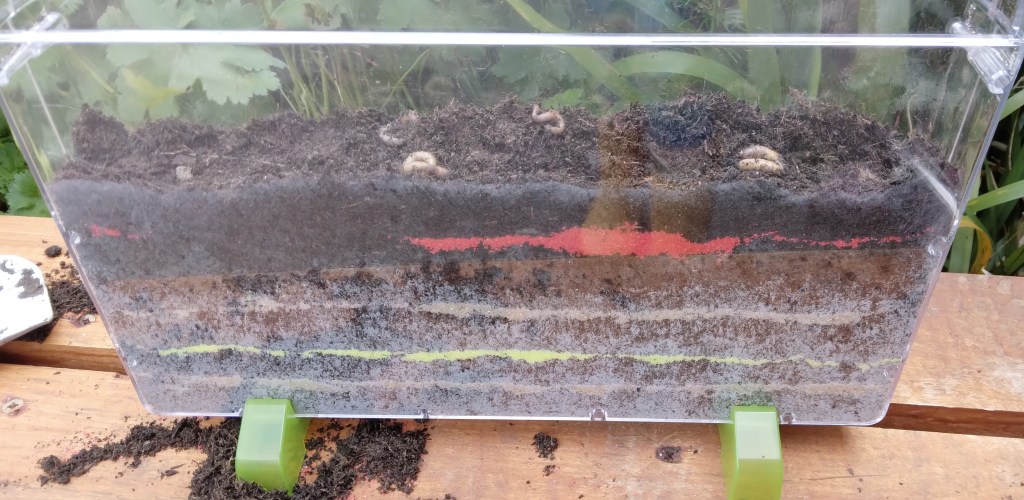
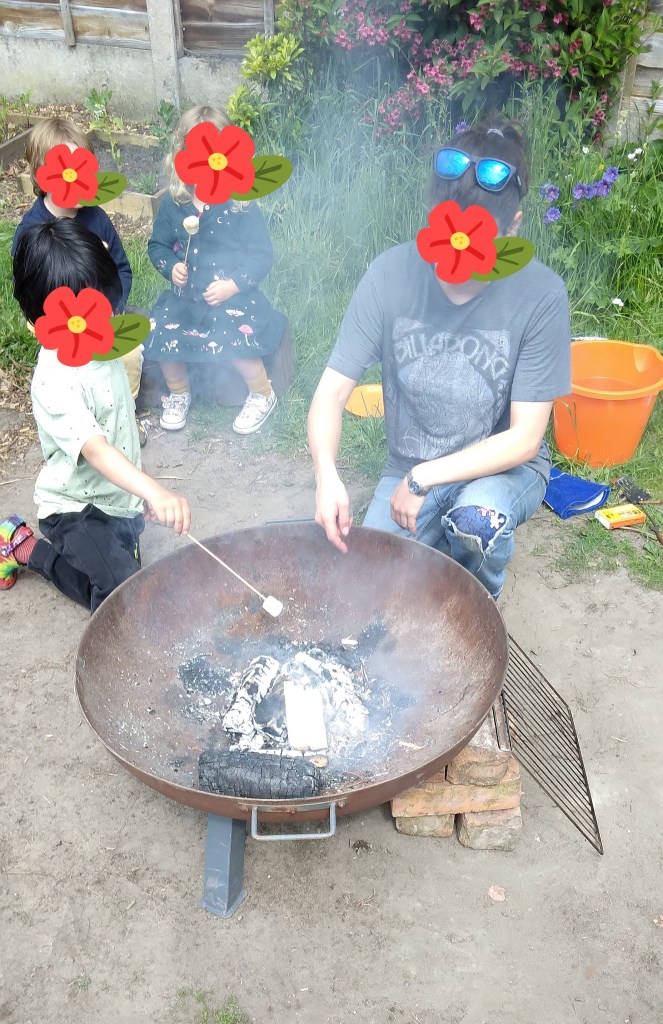
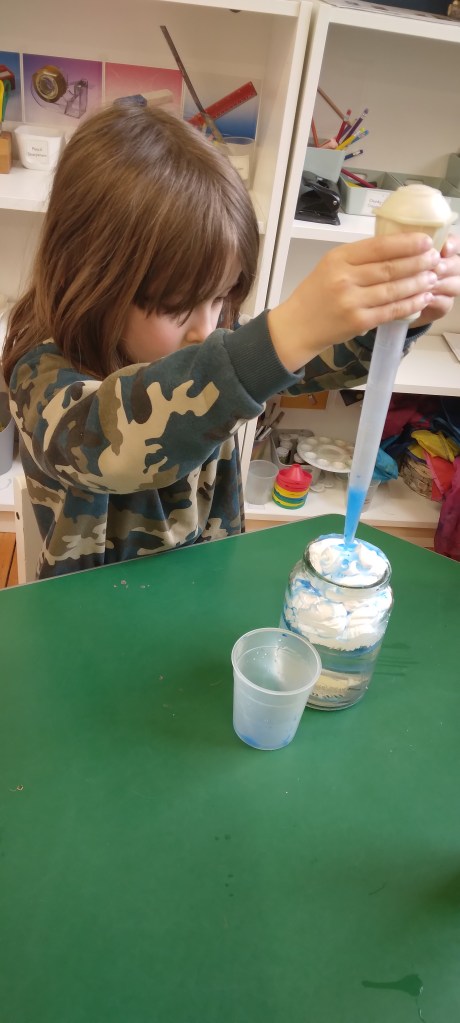
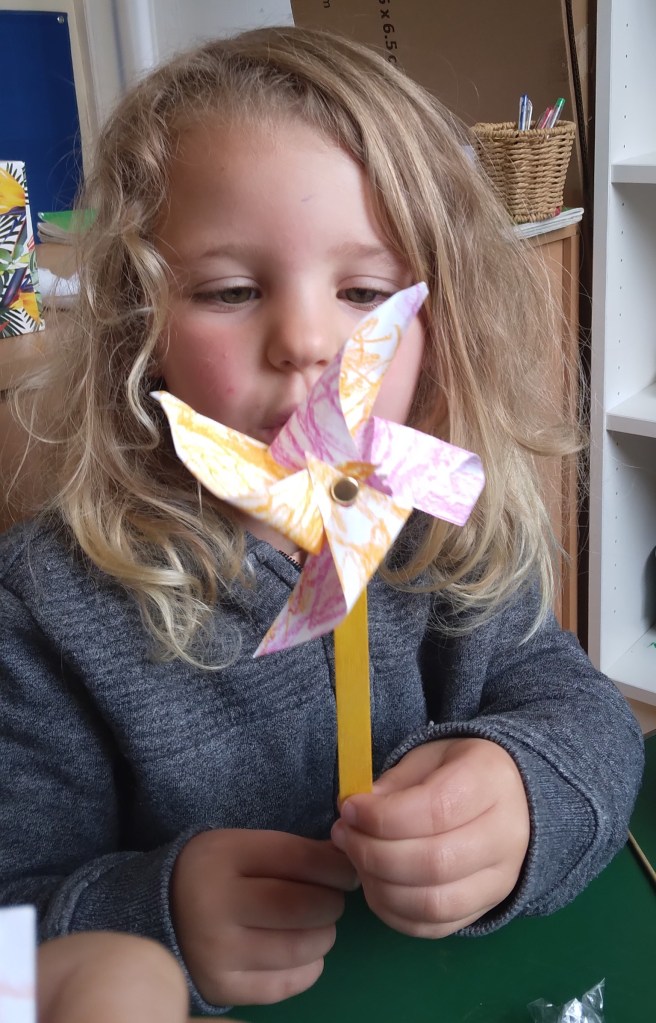
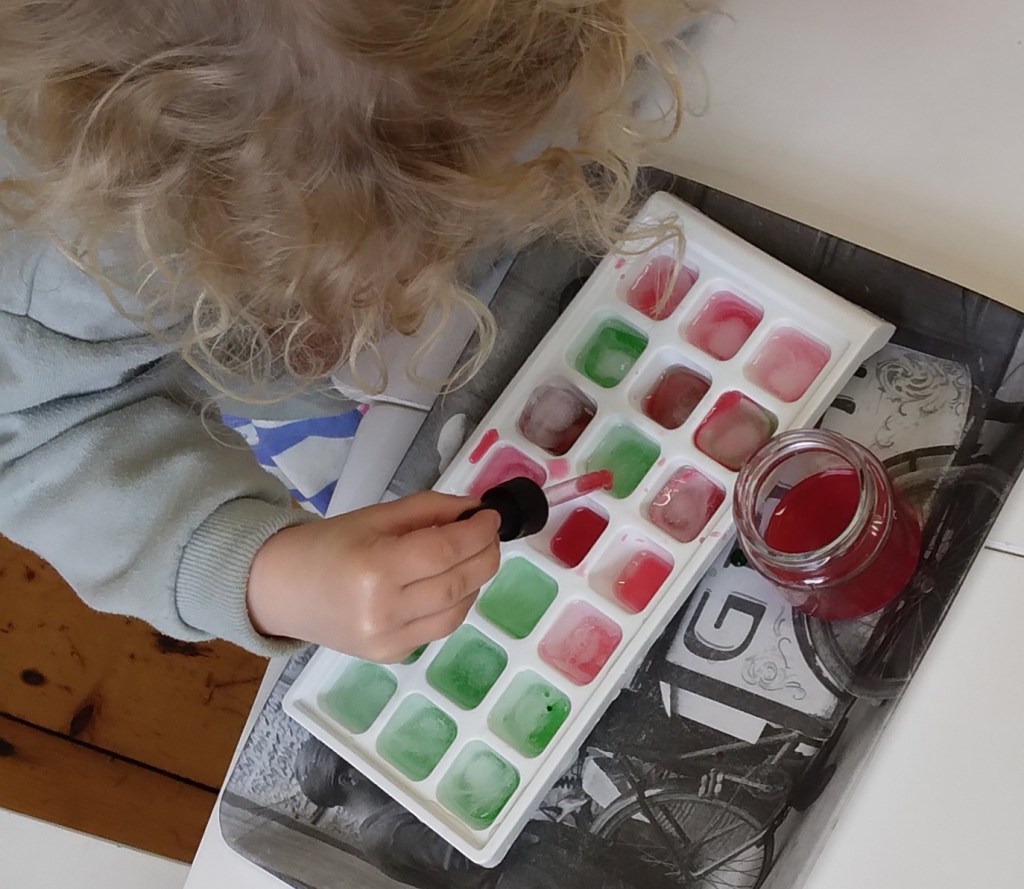
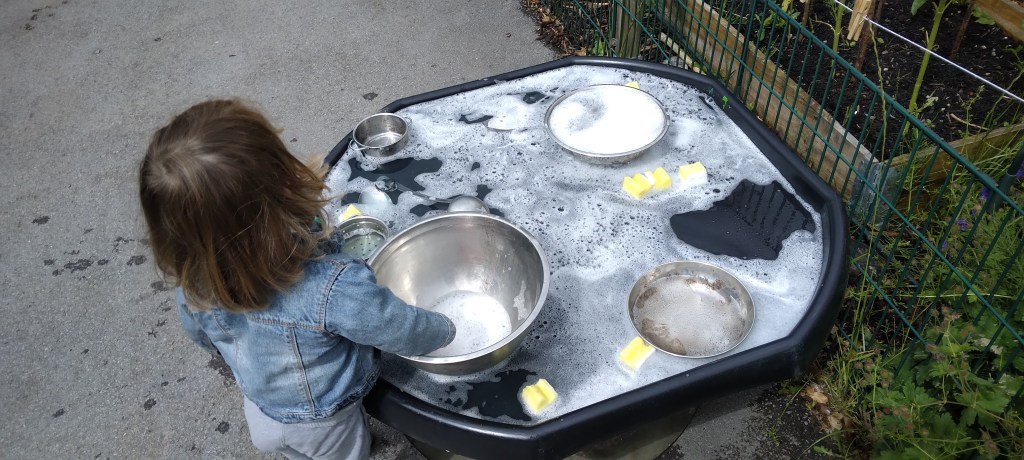
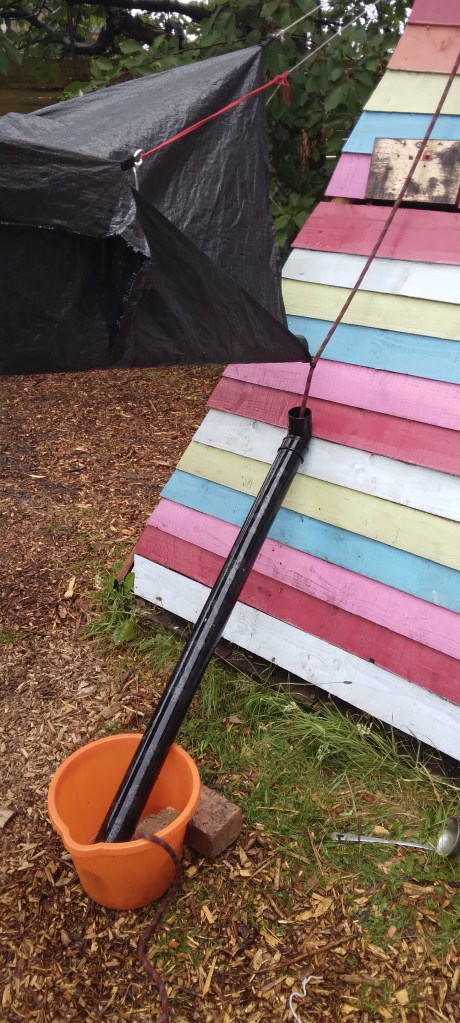
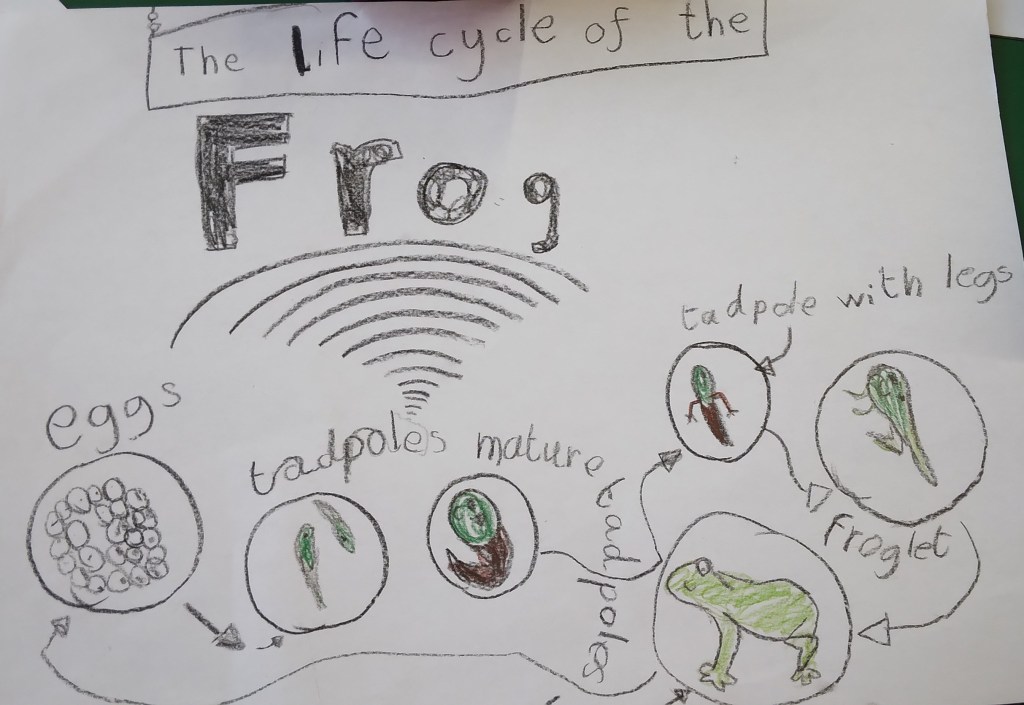
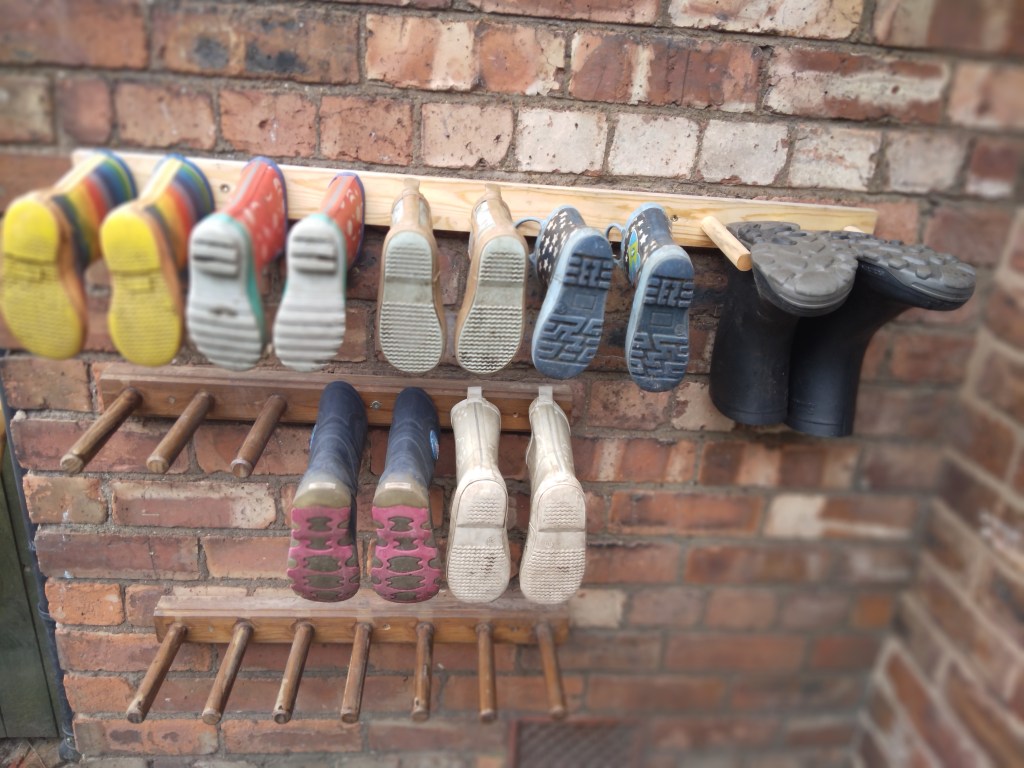
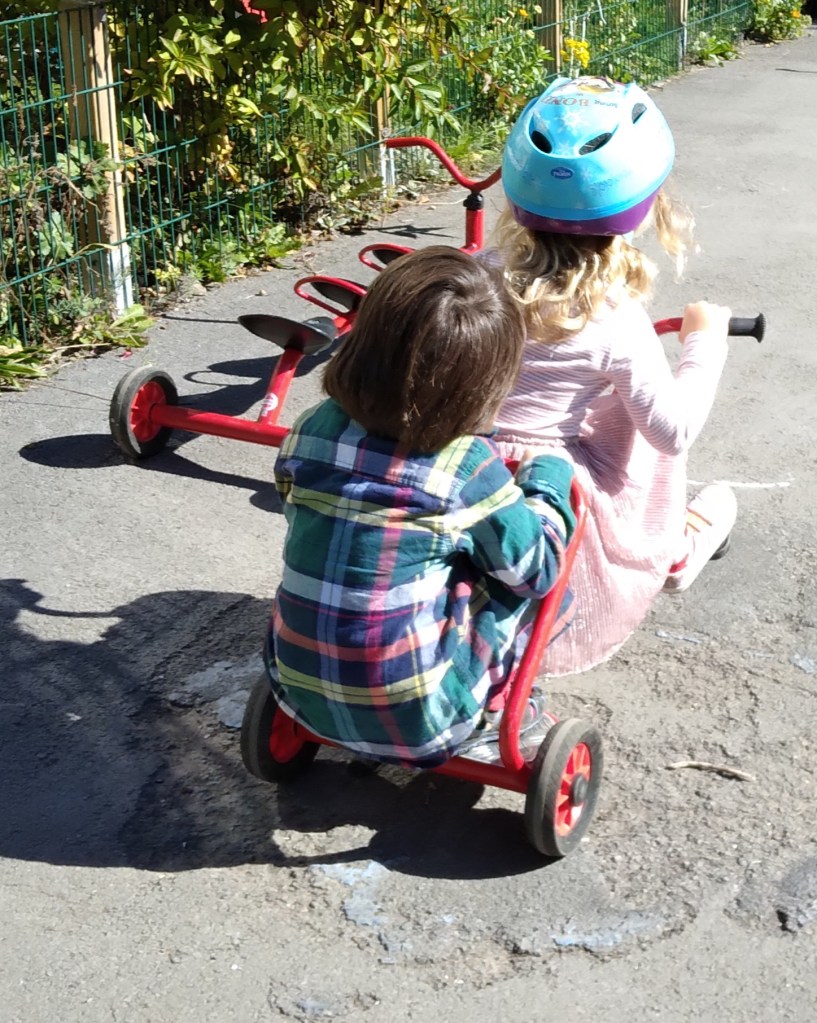
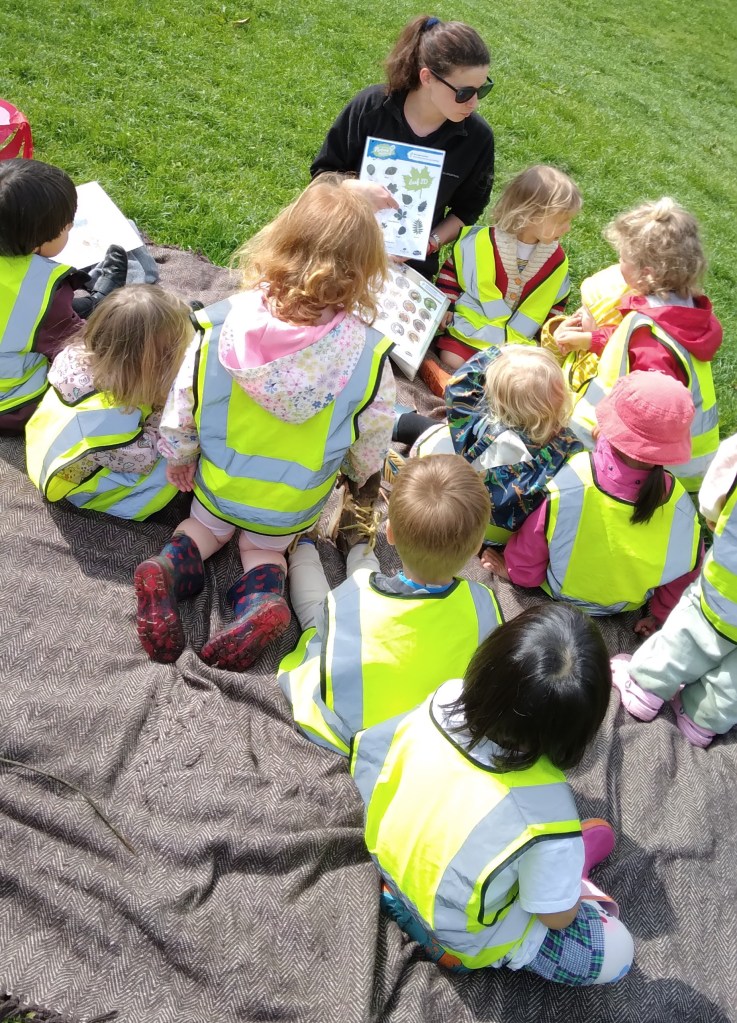
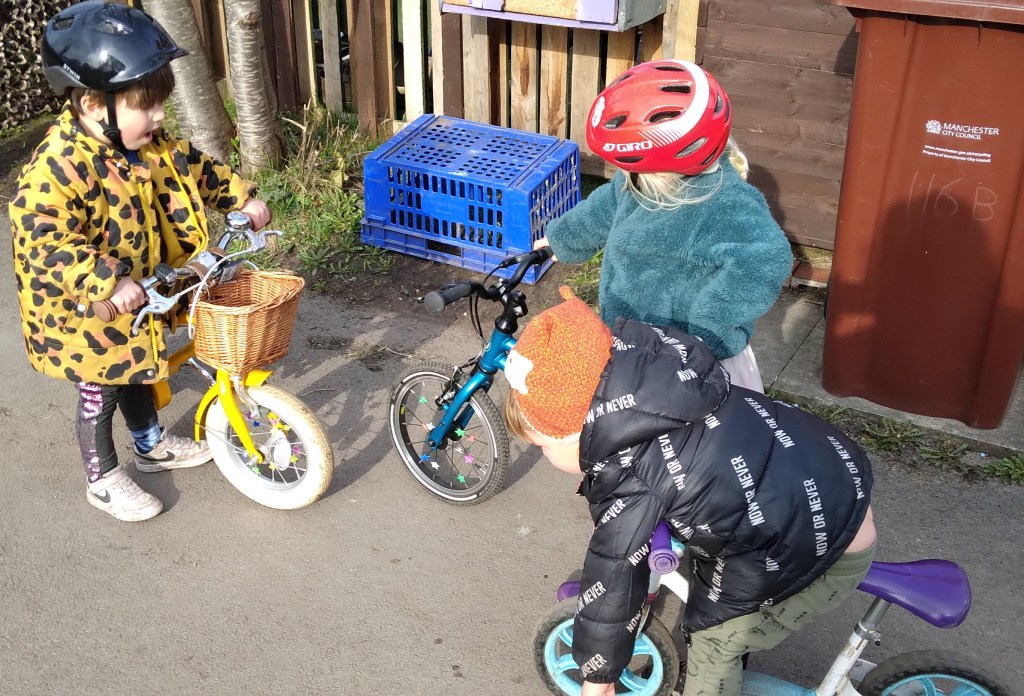
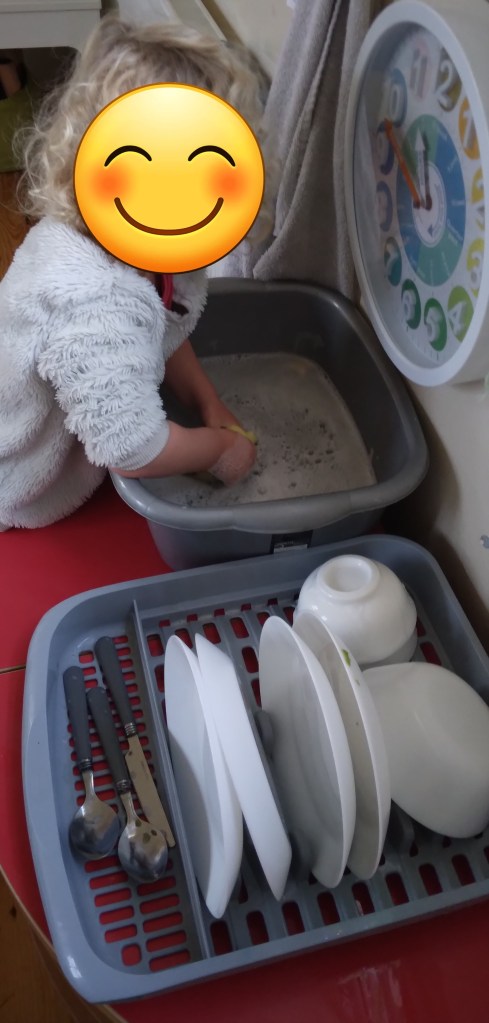
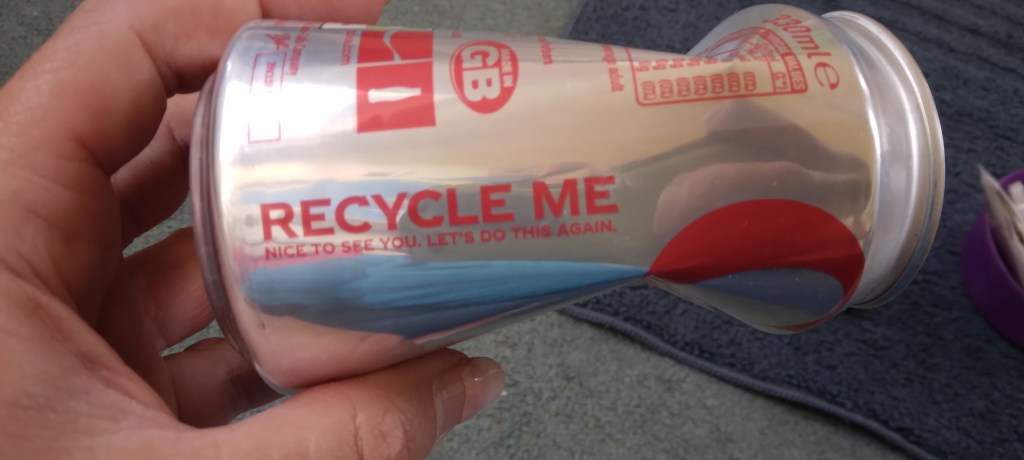
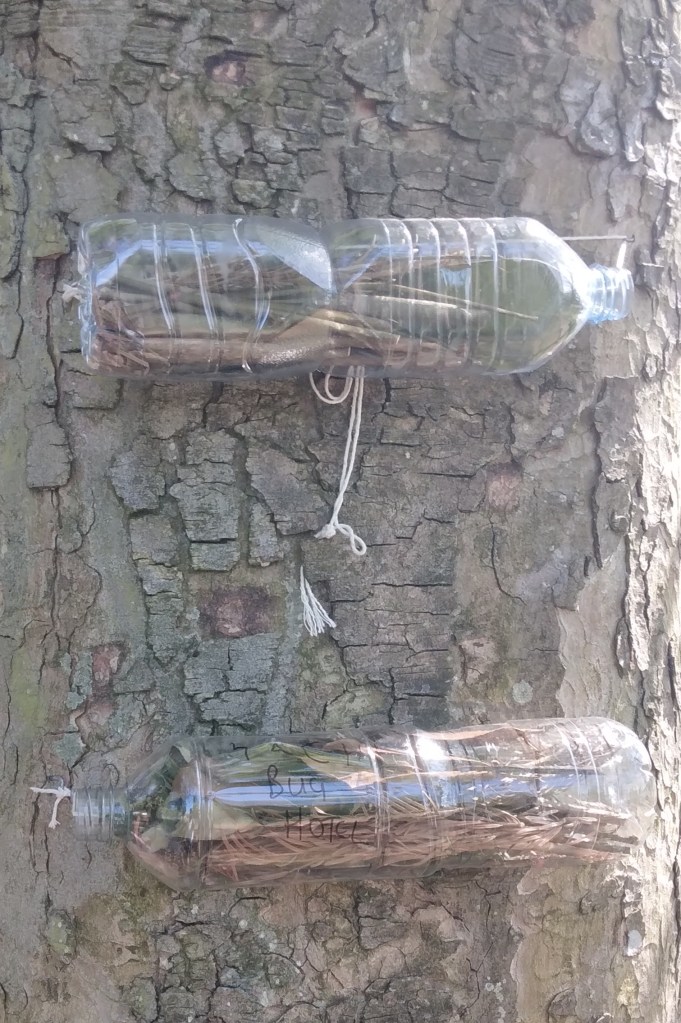
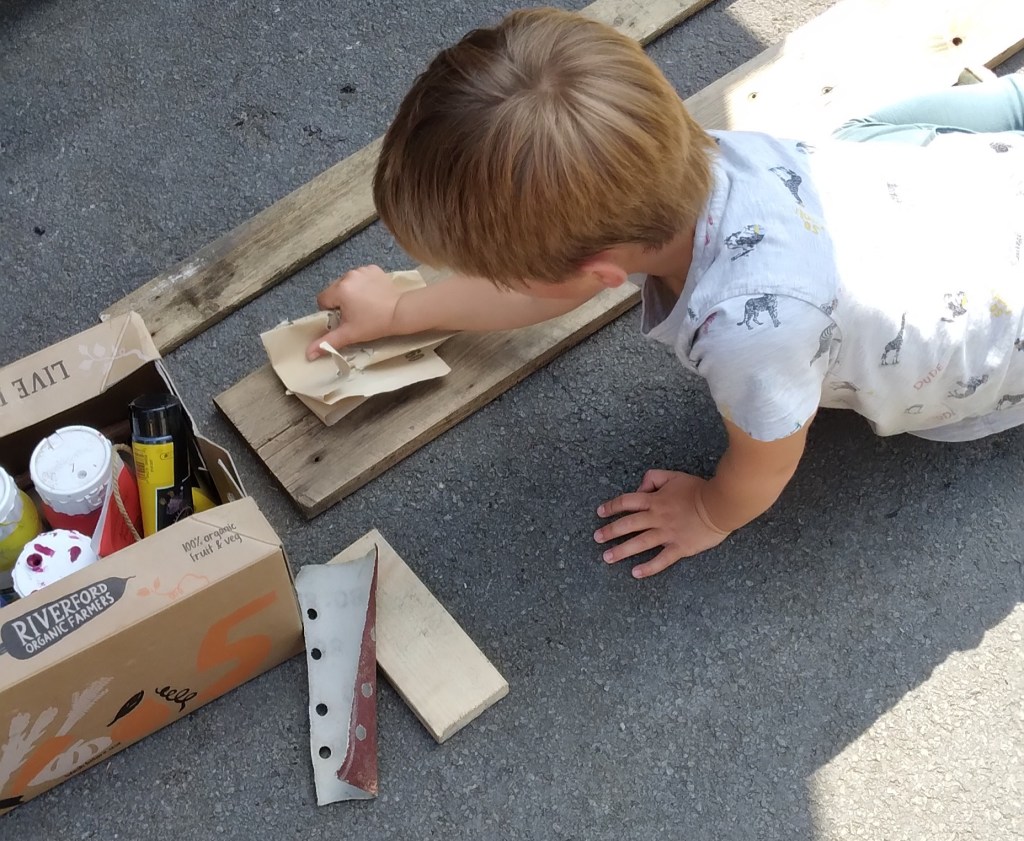
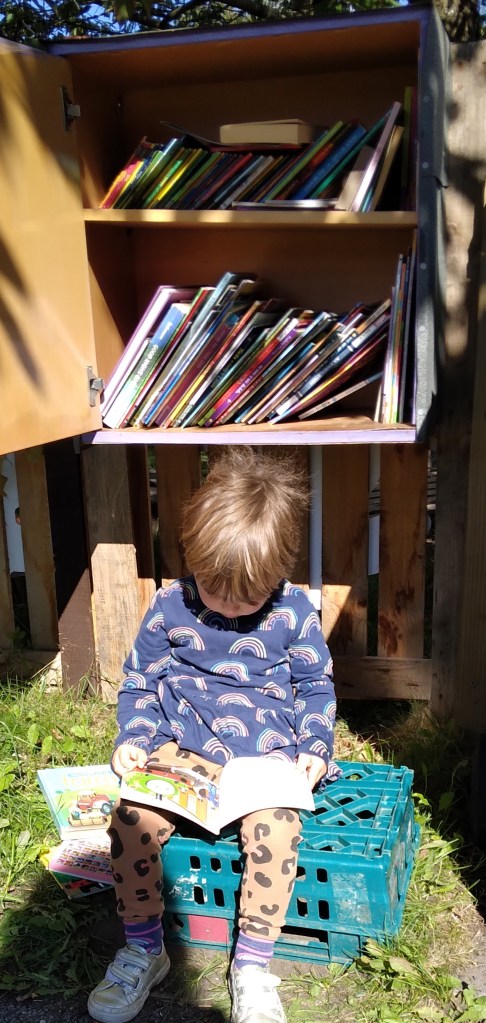
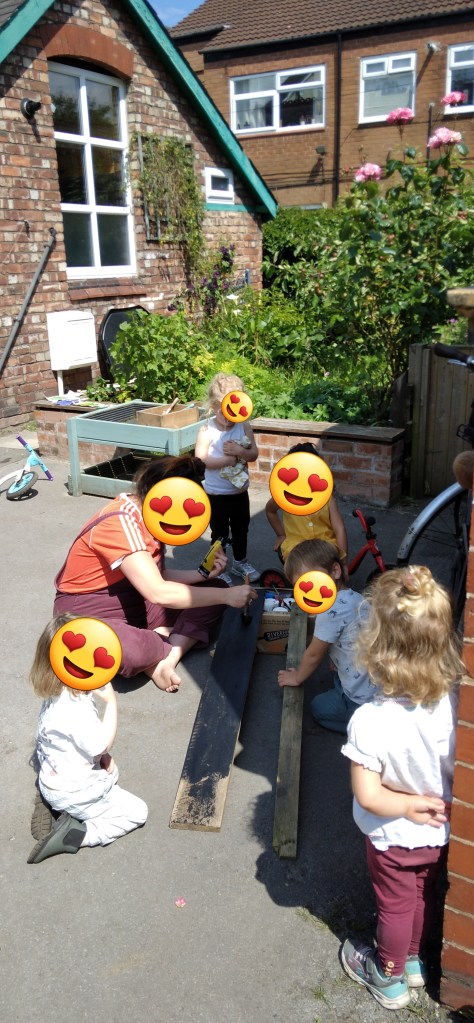
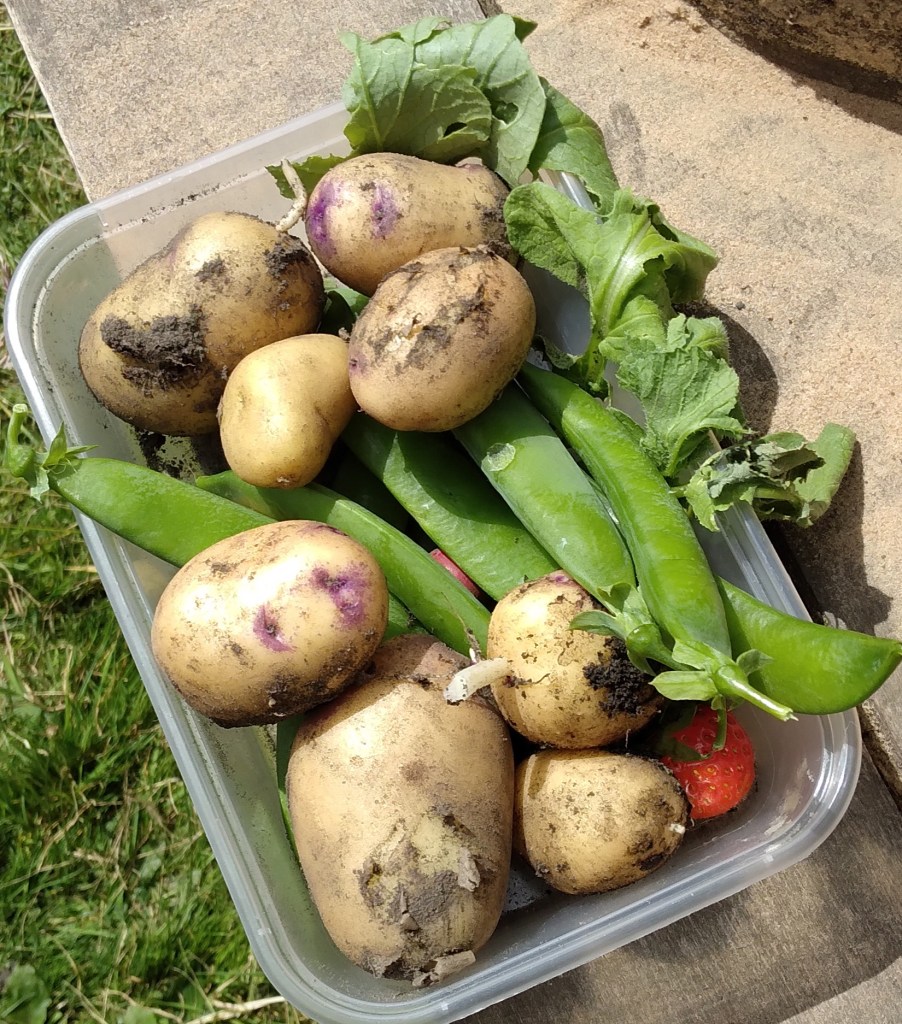
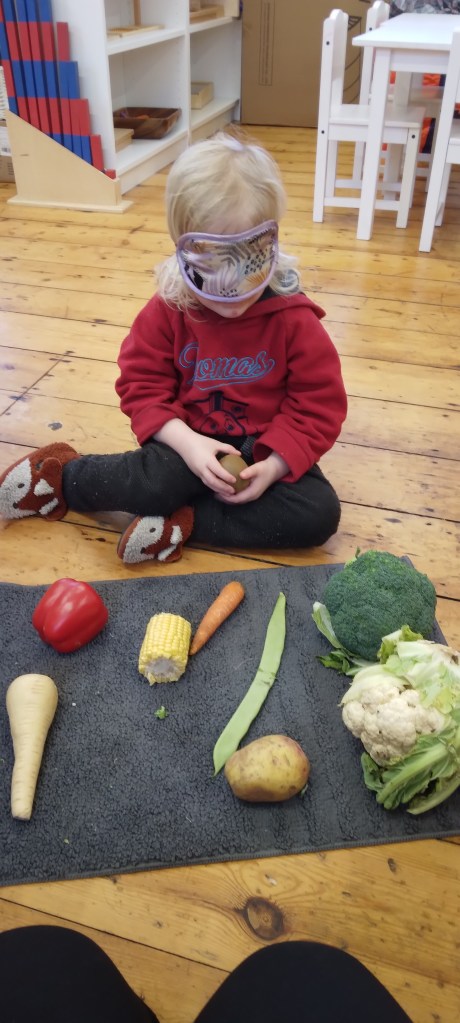
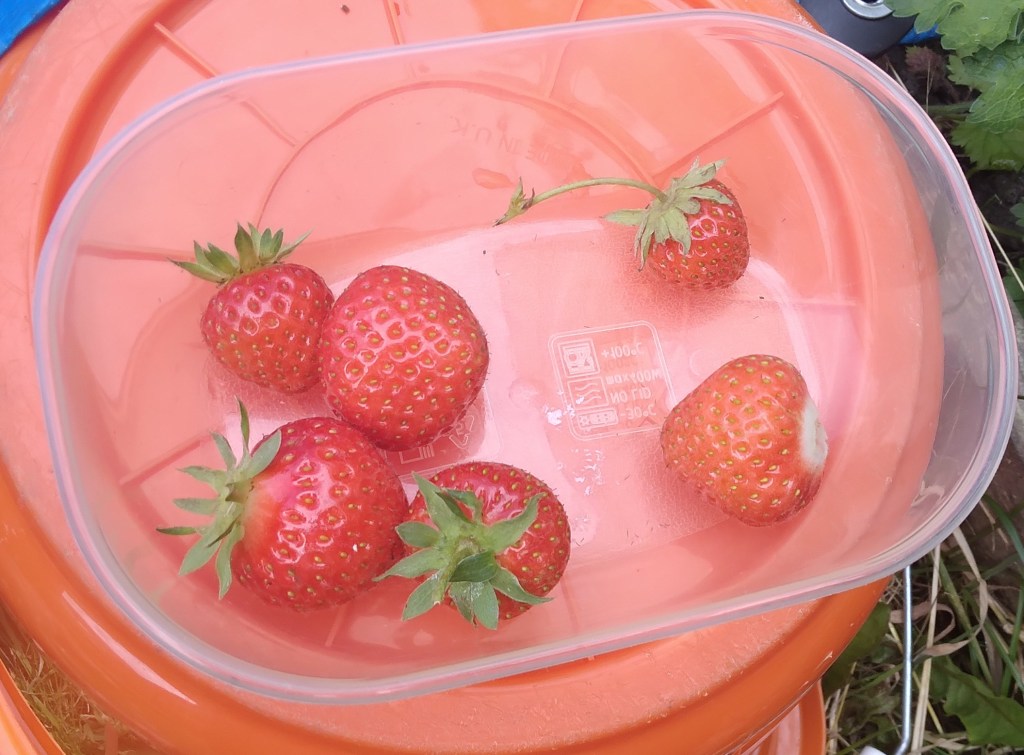
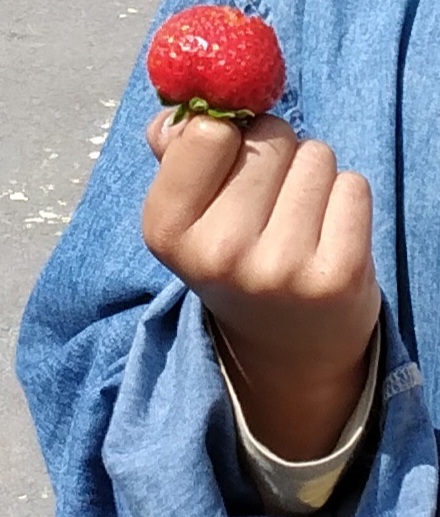
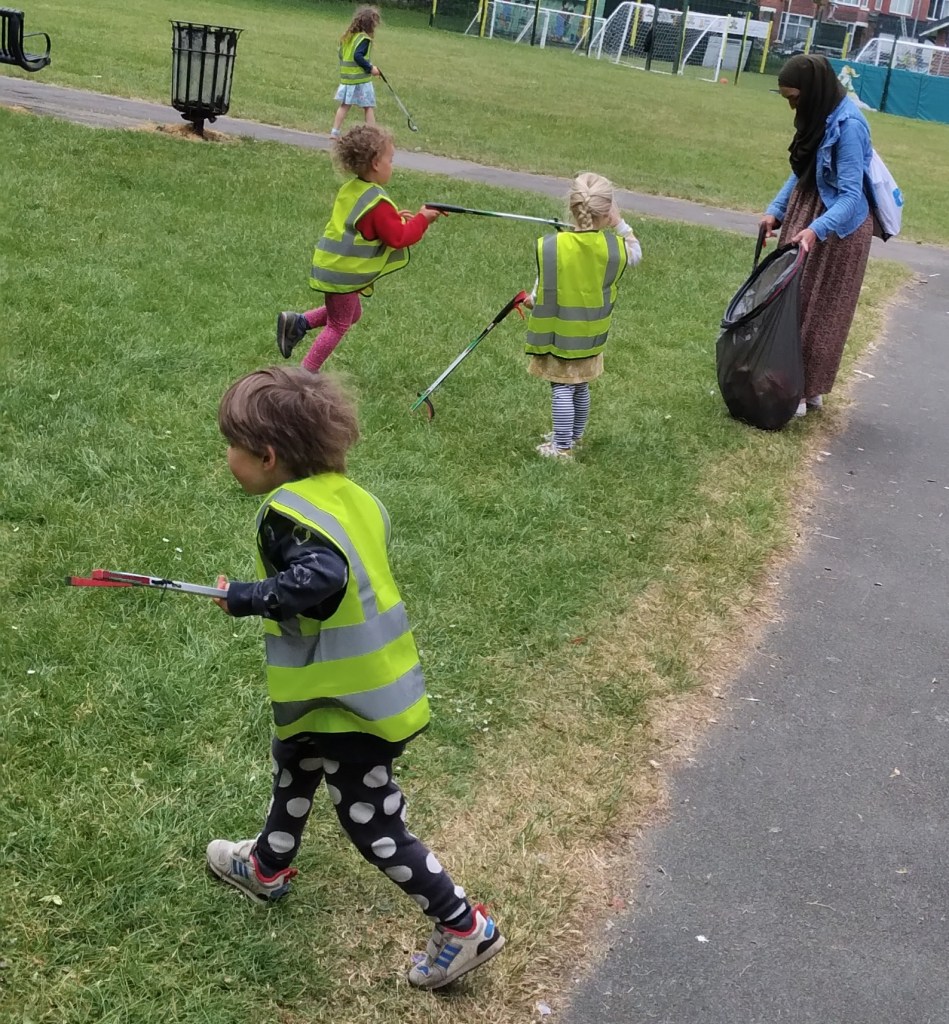
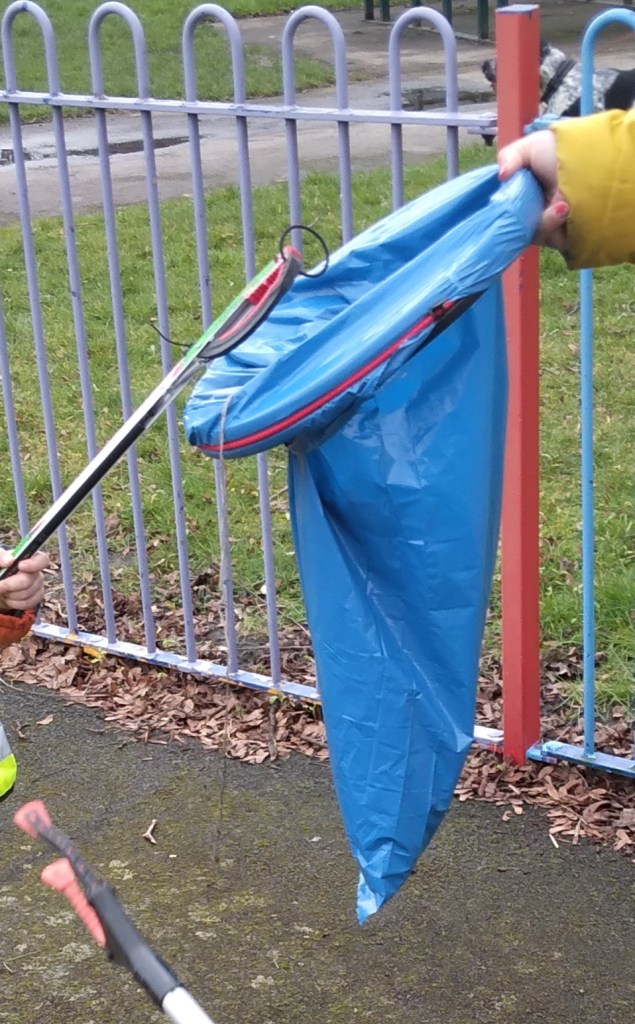
Outdoor classroom structure at Manchester Montessori House nursery, featuring colorful fabric canopies for children to play and learn under.Children engaging in a creative outdoor painting activity, exploring their artistic skills while connecting with nature.A makeshift outdoor shelter constructed with blue tarps, surrounded by natural play areas and equipment in a nursery garden.Children joyfully celebrating nature in the garden of Manchester Montessori House, highlighting their connection with the environment.Children at Manchester Montessori House engaging in hands-on gardening activities, promoting environmental awareness and responsibility.Children engaging in a story time session outdoors, emphasizing the importance of connecting with nature in education.A child gently interacts with a snail using a watering can while exploring nature in a Montessori outdoor setting.Children engaging in outdoor play, navigating through tire obstacles in the nursery’s natural learning environment.Hand-painted globes demonstrating the planet Earth, crafted by children at Manchester Montessori House to promote ecology and environmental awareness.A child creating art using natural materials during outdoor play, showcasing the importance of nature in Montessori education.A child in a pink rain jacket waters a flowering plant in the garden, encouraging hands-on learning about nature.Children engaging in outdoor play and exploration in the garden, balancing on wooden planks and tires, promoting physical coordination and connection with nature.Children engaging in a hands-on eco-activity by coloring a representation of the Earth, promoting creativity and awareness about nature.Children engaging in gardening activities, promoting hands-on learning about nature and sustainability.Children engaging in hands-on gardening activities, fostering a connection with nature and developing essential skills.Children exploring nature and interacting with their environment at Manchester Montessori House.Children engaged in reading outdoors at Manchester Montessori House, fostering a love for nature and learning.A child engaging in outdoor cleanup activities at the Manchester Montessori House nursery, promoting ecological awareness and responsibility.Outdoor learning area with crates and cooking utensils, promoting hands-on activities for children.Children observing a snail, fostering curiosity about nature at Manchester Montessori House.Children engaging in a creative activity inspired by ‘Walter’s Wonderful Web’, using sticks and colorful yarn to create a spider web model.Children at Manchester Montessori House engaged in outdoor learning, exploring plants and flowers in their garden.Children at Manchester Montessori House practicing independence by putting on rain gear in preparation for outdoor activities.Children engaging in hands-on learning by hanging clothes with colorful clips in the outdoor classroom.A child holds a creative sculpture made from natural materials like shells and pinecones, showcasing the importance of integrating nature in arts and crafts.Children engaging in an eco activity, coloring a map of the Earth to learn about land and sea.A child engaging with natural materials outdoors, promoting hands-on learning and exploration in nature.A rainwater collection system set up at Manchester Montessori House, showcasing hands-on learning about water conservation.A child engages with a Montessori puzzle focused on nature, fostering hands-on learning and exploration.Hands-on learning with Montessori puzzles focused on nature and ecology in the Manchester Montessori House nursery.Children gather around a firepit during an outdoor learning session at Manchester Montessori House, fostering connection with nature.Grilling colorful veggie skewers during outdoor play at Manchester Montessori House, promoting healthy eating and community engagement.Children engaging in a fun outdoor activity, roasting marshmallows over a fire pit while enjoying nature.A child engaging in a hands-on activity, using a pipette to transfer liquids into a jar during an educational experiment at Manchester Montessori House.Children engaging in a hands-on art activity, experimenting with colors and tools at Manchester Montessori House.Child holding a colorful handmade pinwheel at Manchester Montessori House, showcasing creativity and engagement in eco-friendly activities.A child engages in a hands-on science activity, exploring colors and mixing liquids.A child experimenting with colors using a dropper and an ice cube tray filled with water colors during a creative activity at the Montessori nursery.A child engages in hands-on water play, exploring bubbles and different textures at Manchester Montessori House nursery.Rainwater collection system designed for educational activities at Manchester Montessori House.Children engaging in a hands-on water play activity, using tools to rescue plastic sea life from pollution at Manchester Montessori House.Creative outdoor play setup featuring natural elements and vibrant colors, encouraging children’s exploration and hands-on learning.Children engaging in hands-on learning about water and sustainability by washing clothes outdoors at Manchester Montessori House.Children actively participating in outdoor cleaning activities at Manchester Montessori House, promoting environmental awareness and teamwork.Children engage in water play, learning about ocean conservation and the impact of pollution on marine life.Children watering plants in the garden at Manchester Montessori House, engaging in hands-on learning about nurturing nature.Educational materials on oceans, including books, a globe, and a puzzle, fostering children’s understanding of marine life and environmental awareness.A child engages in an art activity, drawing landscapes while exploring natural materials in a Montessori classroom.Children engage in hands-on play at the water table, exploring nature and developing their sensory skills.Engaging Montessori activities showcasing letters, numbers, and nature-inspired play in a colorful tuff tray.Montessori materials for teaching children about lakes and islands, promoting hands-on learning and understanding of geographical features.Colorful bead art depicting a blue fish, showcasing creativity and fine motor skills in children.A child engaged in hands-on learning about the Earth, using a globe and play materials to explore geography.A child actively engaging in a Montessori lesson, assembling a puzzle of the Earth’s oceans and continents, promoting environmental awareness.A child actively engaging in creative drawing, illustrating their interpretation of a lake while exploring ecological themes in a Montessori classroom.A child engaging in a hands-on activity, squeezing a substance into containers during a creative learning session at the Manchester Montessori House.Demonstrating a water filtration experiment using a paper cup to clean dirty water.A child engaging with a Montessori geography puzzle, exploring the continents and oceans in a hands-on learning experience.Children engaging in creative drawing and exploration while learning about lakes and their ecosystems.Children engaging in a hands-on water filtering experiment, learning about pollution and the importance of clean water.A child engaging in a water filtering activity, promoting hands-on learning about cleanliness and environmental responsibility.A child filling an orange bucket with water from a rainwater harvesting system at Manchester Montessori House, emphasizing the importance of water conservation in eco education.A child engaging with a globe, illustrating the connection between education and environmental awareness in a Montessori setting.A child engaging in a hands-on water experiment, using a dropper to transfer green liquid between containers, promoting fine motor skills and scientific inquiry.A child immerses a sponge in soapy water during a hands-on learning activity at the Manchester Montessori House, promoting sensory engagement and practical life skills.Children participating in a gardening activity at Manchester Montessori House, focusing on sustainability and connection with nature.Children engaged in outdoor learning activities in a nature garden at Manchester Montessori House.A child engaging in a practical activity of pouring blue liquid through a funnel into a jar at Manchester Montessori House.Educational materials illustrating the life cycle of butterflies, featuring eggs, caterpillars, chrysalises, and adult butterflies, set up for hands-on learning in a Montessori environment.Educational display exploring the life cycle of honey bees, including eggs, larvae, and adult bees, accompanied by honey jars.Engaging children in composting activities to promote sustainability and environmental awareness.Children engaging in hands-on composting activities, exploring the natural recycling process.A child holds a piece of cardboard with several snails on it, showcasing hands-on learning about nature and ecology.A child engaging in a creative activity about the life cycle of frogs, showcasing educational materials on frog development.Engaging children in hands-on activities about bees with natural materials, promoting ecological awareness and creativity.Learning about the life cycle of butterflies with hands-on materials at Manchester Montessori House.Learning about the Bumblebee life cycle and its crucial role in nature through engaging educational materials.A child engaged in coloring and learning about birds at Manchester Montessori House, emphasizing hands-on nature education.A child engaged in learning about butterflies and their life cycle, surrounded by educational resources.Engaging children in nature-themed activities at Manchester Montessori House.Montessori-inspired bird study area, featuring children’s drawings and resources for learning about local bird species like robins and blue tits.Children learning about the life cycle of frogs, including tadpoles, in a hands-on educational activity.A child’s drawing illustrating the life cycle of a frog, depicting various stages from eggs to adult frog.Exploring the life cycle of the dandelion, showcasing stages from bloom to seed, created by a student.Children learning about the life cycle of frogs using visual aids and interactive materials.Montessori learning materials illustrating the honey bee life cycle, promoting hands-on education about nature.A child engaged in a Montessori lesson about the life cycle of bees, illustrating hands-on learning through exploration of nature.Educational materials showcasing the life cycle of ants, designed for hands-on learning in a Montessori setting.Children engaged in an outdoor painting activity, expressing their creativity in a natural setting.An insect hotel built for biodiversity, encouraging local wildlife in the nursery garden.A bug hotel designed to support local biodiversity and provide shelter for insects in the garden.Educational chart illustrating the life cycle of a butterfly, showcasing the stages from egg to caterpillar to chrysalid, and finally to butterfly, emphasizing hands-on learning about nature.Children at Manchester Montessori House engage in a hands-on learning activity about the life cycle of frogs, using visual aids to enhance their understanding of nature.Children engaging in hands-on gardening activities at Manchester Montessori House, promoting ecological awareness and responsibility.A colorful wooden bug hotel designed for insects, showcasing the importance of biodiversity in the outdoor learning environment.A nature-inspired play area featuring handmade habitats and a small water feature, designed to encourage exploration and connection with the environment.Colorful hand-painted fabric banners displayed in the garden of Manchester Montessori House, celebrating creativity and connection to nature.Compost bin at Manchester Montessori House, promoting eco-friendly practices and sustainability.Children’s planted herb pots labeled with colorful notes in the Manchester Montessori House garden.Children engaged in outdoor reading at Manchester Montessori House, promoting literacy and a connection with nature.A colorful insect hotel designed for biodiversity, encouraging wildlife in the garden.A handmade bug hotel created by children at Manchester Montessori House, showcasing their commitment to fostering a nurturing environment for wildlife.Grilling colorful vegetable skewers during outdoor activities at Manchester Montessori House, promoting healthy eating and teamwork.A child happily enjoying their meal at the Manchester Montessori House nursery, emphasizing the importance of healthy eating and gratitude for food.A hearty vegetable soup simmering in a slow cooker, showcasing healthy cooking practices at our Montessori nursery.Creative watermelon cut into star shapes for a fun and healthy snack.A child enjoying a healthy bowl of soup, highlighting the importance of nutrition in early education.A child peeling a potato, engaging in hands-on learning about food preparation and healthy eating.Strawberry plants with blooming flowers protected by netting in the school garden.Children engaging in hands-on gardening activities at Manchester Montessori House, learning about the importance of nature and sustainability.A mini greenhouse protecting young plants at Manchester Montessori House, supporting hands-on learning about gardening and sustainability.A child watering plants in a garden, supporting the Montessori approach to hands-on learning about nature and ecology.Children engaging in hands-on planting activities at Manchester Montessori House, fostering a connection with nature and learning about gardening.Children at Manchester Montessori House participate in hands-on gardening activities, fostering a connection with nature and learning about the growth of plants.Seedlings growing in recycled containers at Manchester Montessori House, highlighting the importance of nurturing the environment and hands-on learning.Children nurturing plants in the garden by watering them, promoting hands-on ecological learning.A child planting seeds in the garden, demonstrating hands-on learning about nature and responsibility.A child engaging in gardening by watering seedlings in a Montessori classroom, emphasizing hands-on learning about nature.Children at Manchester Montessori House engaging in gardening activities, learning about plant care and sustainable practices.Learning about the different stages of dandelion growth in a hands-on activity at Manchester Montessori House.A vibrant garden bed showcasing fresh leafy greens, including various types of lettuce and herbs, reflecting the Montessori focus on hands-on learning about food sources and environmental responsibility.Hands-on activities promoting ecological awareness at Manchester Montessori House, featuring plant growth experiments and sustainable practices.A child actively engaged in outdoor gardening, raking soil while wearing rain boots and a colorful jacket.A child planting a seedling, illustrating hands-on learning about nature and responsibility towards the environment at Manchester Montessori House.Children engaging in hands-on gardening activities at Manchester Montessori House, promoting ecological awareness and outdoor learning.Children exploring gardening techniques by observing a plant’s roots at Manchester Montessori House, emphasizing hands-on learning.Children engaging in hands-on gardening activities, exploring plant growth and nurturing the environment.A child watering young plants in a nursery setting, showcasing the importance of hands-on gardening and learning about nature.A child planting seeds in a garden, emphasizing hands-on learning in Montessori education.Learning about the lifecycle of plants through hands-on activities involving seeds and fruit in the Montessori nursery.Creative exploration of plant life and gardening by children at Manchester Montessori House, showcasing their hands-on learning about ecology.Children engaging in a hands-on activity about the strawberry life cycle, enhancing their understanding of plants and nature.A child proudly presenting a colorful diagram illustrating the plant life cycle, showcasing the stages from seed to flower.A child engaging in seed planting using recycled materials as part of the ecology-focused curriculum at Manchester Montessori House.Children watering their herb garden at Manchester Montessori House, promoting hands-on learning and appreciation for nature.A vibrant display of children’s shoes, representing their connection to outdoor learning and exploration in nature at Manchester Montessori House.Children enjoying outdoor playtime on tricycles, promoting physical activity and social interaction.A child engaging in hands-on learning and exploration in the outdoor classroom at Manchester Montessori House.Children in bright vests engage in nature learning at Manchester Montessori House, exploring outdoor ecology.Children engaging in outdoor play, promoting physical activity and independence through cycling at Manchester Montessori House.Children enjoying outdoor play on mini scooters, promoting physical activity and eco-friendly transportation at Manchester Montessori House.Children in high-visibility jackets enjoy a nature walk under leafy trees, promoting outdoor exploration and environmental education.Children engaging in outdoor play, riding bikes and tricycles, promoting physical activity and exploration at the Manchester Montessori House.Children engaging in creative exploration with toys and drawings in a collaborative learning environment.Children engaging in imaginative outdoor play, driving their homemade car at Manchester Montessori House.Children wearing safety vests observe a community banner about pollution solutions at Manchester Montessori House.Children’s art project featuring bubble painting with names, showcasing creativity and engagement in eco-themed activities.Children engaging in a creative activity to promote awareness about pollution through hand painting, highlighting their commitment to environmental protection.Children from Manchester Montessori House promote environmental awareness by displaying their anti-pollution banner in the community.Children engaging in an outdoor art project, using colors to represent their vision of a sustainable city.Children collaborating on a creative project focused on pollution awareness at Manchester Montessori House.Children at Manchester Montessori House engage in a creative painting activity focused on environmental themes, fostering their connection to nature.A child engaged in a water-based experiment, illustrating hands-on learning about the importance of water.A child experimenting with bubbles and color mixing using a straw in a cup, promoting hands-on learning activities.A child actively engaging in an eco-friendly art project, illustrating the concept of reducing waste.A young child proudly holding their ‘Waste Champion’ certificate, celebrating their contribution to promoting sustainability and environmental responsibility.A child engaged in imaginative play at the outdoor kitchen setup, fostering creativity and interaction with nature.Children engaging in eco-friendly activities, creating artwork focused on the principles of reduce, reuse, and recycle.A teacher guides children in learning about recycling, emphasizing environmental responsibility at Manchester Montessori House.Children enjoying outdoor reading in the eco-friendly garden at Manchester Montessori House.A child engaging in an art project, drawing a recycling-themed poster while utilizing a marker and wooden letter tiles spelling ‘RECYCLY’.Children engaging in creative junk modeling, repurposing materials as part of their eco-friendly projects in the Montessori classroom.A child engaged in a hands-on activity, washing dishes in a Montessori setting, fostering life skills and independence.A hand holding a can with a message encouraging recycling, emphasizing the importance of reusing materials to protect the environment.A homemade bug hotel made from plastic bottles, demonstrating the nursery’s commitment to supporting local biodiversity.A child engaged in a creative activity, using sandpaper on wooden materials to encourage hands-on learning and environmental responsibility.Children engaging in a hands-on recycling project, using bottle caps to create a collaborative art piece, fostering creativity and environmental awareness.Children engaged in a creative recycling activity, using bottle caps to create colorful patterns and designs, fostering creativity and sustainability.Children engaged in an eco-activity, learning about the concepts of reduce, reuse, and recycle in a Montessori environment.A child engages in creative junk modeling using recycled materials at Manchester Montessori House, fostering responsibility towards the environment.A child engaged in a creative project using recycled materials at Manchester Montessori House.A child enjoys reading outside, surrounded by nature and a community book cupboard at Manchester Montessori House.Children engaged in hands-on outdoor learning at Manchester Montessori House, fostering creativity and teamwork through a woodwork project.Freshly harvested vegetables from the garden, showcasing the fruits of children’s labor in the Manchester Montessori House nursery.A child engages in hands-on learning about healthy eating with an array of fresh vegetables at Manchester Montessori House.Children harvesting fresh radishes from the garden, illustrating the importance of hands-on learning about food sources.A young child proudly displays a creative arrangement of apple slices shaped like a crab, highlighting the fun and healthy eating experiences at Manchester Montessori House.Children in bright safety vests explore a local market, learning about fresh fruits and vegetables with their educator.Children’s drawing illustrating the parts of an apple, highlighting the skin, flesh, core, and seeds, as part of their learning about food origins and healthy living.Children engage in a hands-on learning activity about the life cycle of apples, exploring different stages from seed to fruit.A well-organized shelf in a Montessori classroom, showcasing a variety of fruits, kitchenware, and educational materials, promoting healthy eating and independence in children.Freshly harvested strawberries from the Manchester Montessori House garden.A child proudly holds a freshly harvested strawberry, reflecting the importance of gratitude for the earth’s bounty.Children participating in a community litter-picking activity, promoting environmental responsibility and teamwork at Manchester Montessori House.Children at Manchester Montessori House participate in a community litter pick, promoting environmental responsibility and outdoor learning.Children actively participating in a litter-picking activity at Manchester Montessori House, fostering community responsibility and environmental awareness.A child proudly holds a creative broccoli character, showcasing the fun and educational activities focused on healthy living at Manchester Montessori House.A creative representation of a corn character, crafted by a child, showcasing hands-on learning and art in a nursery setting.Children in yellow vests participating in a community litter pick at a local park, fostering responsibility and care for the environment.
In academic year 2023/2024 in our Manchester Montessori House nursery, we have focus on the topic of ecology. Importance of being and eco nursery has always been part of our ethos. Montessori’s approach emphasizes the importance of experiencing the natural world first-hand. An educator believed that there is no substitute for the real thing, and that books and museums cannot replace the sights, sounds, and smells of nature, Montessori also recognised the therapeutic benefits of spending time, with bare feet, in nature, and believed that it could help children develop a sense of wonder and respect for the world around them.
Montessori believed that the vivifying forces of nature were essential for the development of the child:
“There is no description, no image in any book that is capable of replacing the sight of real trees, and all the life to be found around them, in a real forest.” She spoke.
Maria Montessori believed that nature played a crucial role in the education and development of children. She believed that children should have access to the natural world, as it provides them with a means of experience and a special environment that can help them develop their senses and understanding of the world around them.
“The child has a different relation to his environment from ours… the child absorbs it. The things he sees are not just remembered; they form part of his soul. He incarnates in himself all in the world about him that his eyes see, and his ears hear.”
“The land is where our roots are. The children must be taught to feel and live in harmony with the Earth.”
Our MMH provision allows the child’s freedom and encourages outdoor play and physical activity which are essential for the child’s development. Our outdoor classrooms and the use of the natural world as a means of experience could help to foster the child’s innate curiosity and love of learning.
In the Montessori classroom, nature is often used as a means of cultural activity, with children learning about the natural world through observation and exploration. Montessori believed that the work of the child was to discover the world around them, and that this could be achieved through the use of the natural world as a means of experience.
“The child who has felt a strong love for his surroundings and for all living creatures, who has discovered joy and enthusiasm in work, gives us reason to hope that humanity can develop in a new direction.”
And that nature provides the perfect setting for a child’s physical, mental and emotional growth. She believed that nature is a source of inspiration, wonder, and awe for children, and that it offers endless opportunities for exploration and discovery.
Montessori also believed that nature helps to develop a child’s vital instincts and inner life. She saw nature as an instrument of child’s individual mind, providing them with the tools they need to develop their physical and mental abilities. She believed that nature helps to awaken a child’s senses, stimulates their curiosity, and encourages them to explore and experiment.
Montessori also believed that a child/s own natural desire to be in nature should be encouraged and supported. She believed that children should be given freedom to explore and experience nature on their own terms, without adult interference, she saw nature as a source of joy, inspiration, and wonder for children, and believed that it should be an integral part of their daily lives.
Maria Montessori believed that the relationship between the small child and nature is essential for the child’s development. She believed that nature has a significant impact on the child’s emotional and intellectual growth. According to Montessori, living creatures in nature provide the child with a sense of wonder and awe, which is essential for the happiness of the child. She believed that nature is not just a physical environment but also a spiritual one, and it is part of the child’s soul.
Montessori believed that outdoor play and learning are essential for the child’s development. She believed that outdoor play provides the child with interesting activities and creative work. Montessori believed that the child’s task is to explore the world and to learn about it. She believed that the teacher’s task is to facilitate the child’s exploration and to provide the child with the tools to learn. Montessori believed that the child’s development through nature is not about the transmission of abstract ideas but about the child’s discovery of the world around him.
Montessori believed that outdoor play and learning are not just about physical development but also about the development of human values. She believed that outdoor play and learning provide the child with the opportunity to develop the values of cooperation, collaboration, and respect for others. Montessori believed that outdoor play and learning provide the child with greater possibilities for their future and that it is the task of the educator to provide the child with the tools to explore the world around them.
Maria Montessori’s quotes about nature reveal her deep appreciation for the natural world and its role in human development. For Montessori, nature was not just a setting for learning, but an essential part of the learning process itself. Her belief that the greatest sign of success in education was not knowledge but love of learning was reflected in her emphasis on the importance of connecting with nature.
Montessori believed that any unkind act towards nature reflected a lack of understanding of the interconnectedness of all things. She saw the natural world as a source of inspiration and wonder and believed that modern observations of nature could help us better understand ourselves and our place in the world.
For Montessori, the first thing that children needed to learn was how to observe the world around them. This included observing nature and its many wonders. By observing and interacting with nature, children could develop a deeper understanding of the world and their place in it.
Montessori saw the path of life as a journey of discovery and self-discovery and believed that nature was an essential part of this journey. She believed that by connecting with nature, we could better understand ourselves and our place in the world and develop a greater sense of purpose and meaning in life.
Montessori’s quotes about nature remind us of the importance of connecting with the natural world and the role that nature plays in our development as human beings. By observing and interacting with nature, we can develop a deeper understanding of ourselves and the world around us and find greater meaning and purpose in life.
Thinking about care of the environment and to cover important topics around sustainability, we decided to divide our terms into little projects and hands on activities throughout a year. This is what we did.
Litter: reducing litter, which harms wildlife and costs millions to clear every year.
At MMH fostering a clean and safe environment is paramount for the wellbeing and development for our children and our community.
As part of our ethos is to install a sense of responsibility, providing hands on experiences with various activities.
Much as walking through the Community litter picking using litter pickers from the library and Biffa.
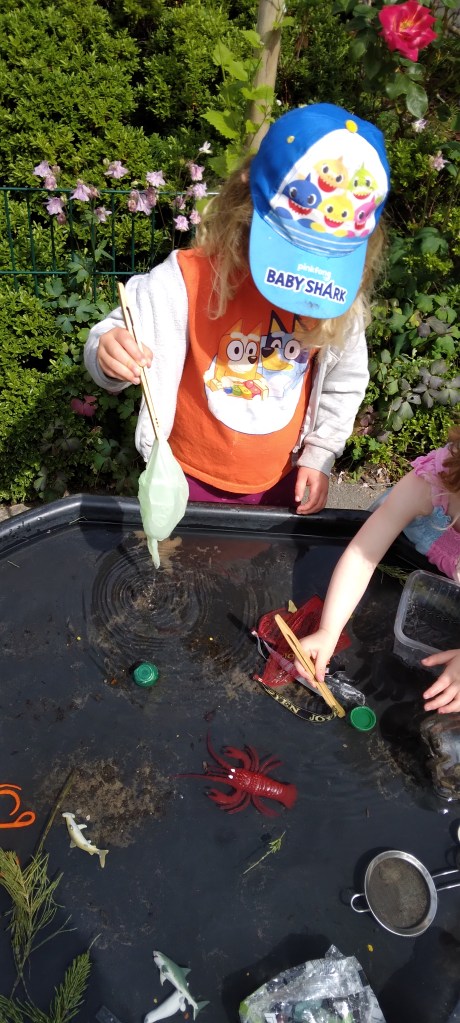
Setting up a tuff tray w/ rescuing the sea life animals from pollution. Using tongs encouraging physical development and coordination.
We, At MMH promote responsibility and empathy encouraging in these activities teaching children about responsibility towards their environment and community. We have introduced songs relating to the topic and set up a recycling basket in the classroom where children place their waste.
MMH also helped the community by setting a stall at Manley Park supporting the team clean waters.
Harvest: Gratitude for & origins of food
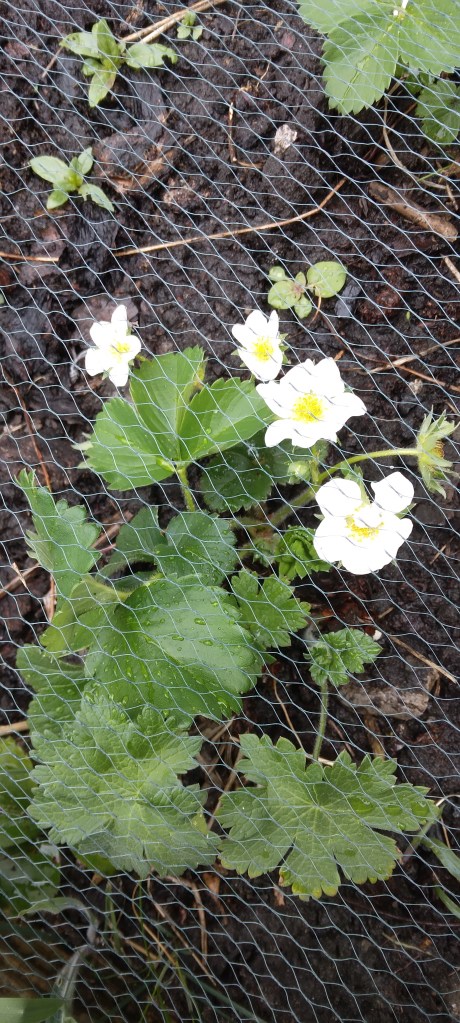
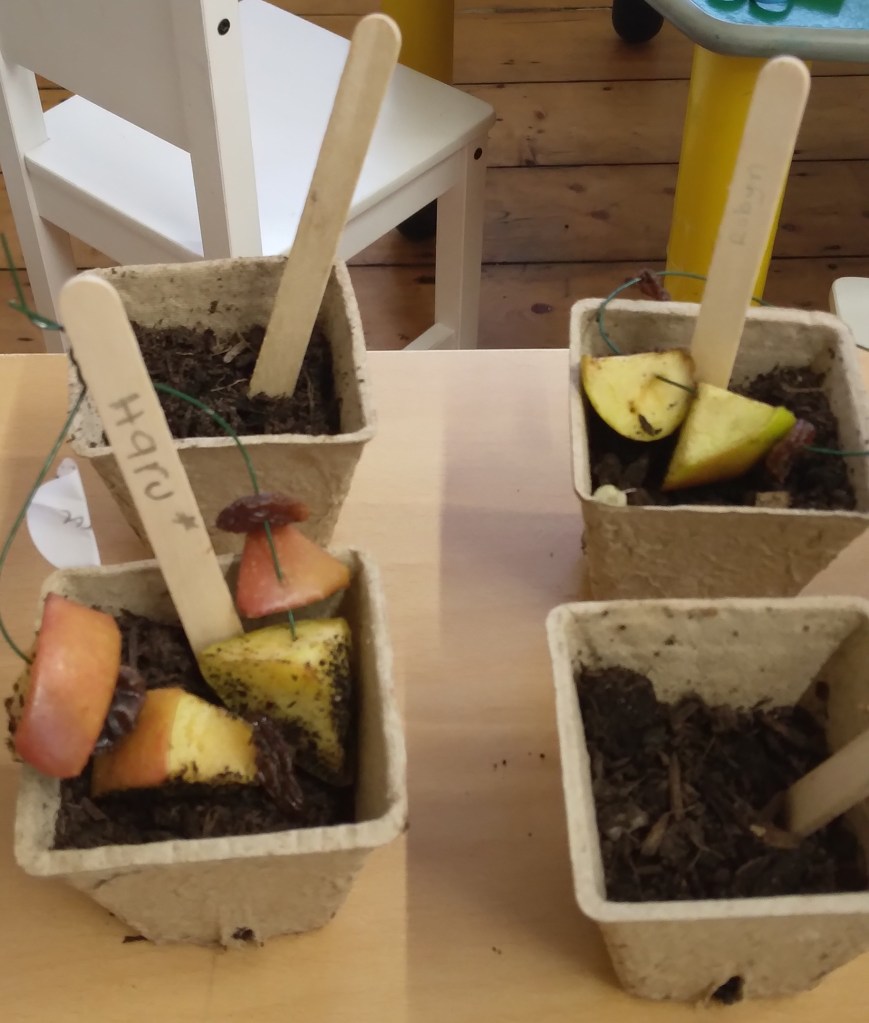
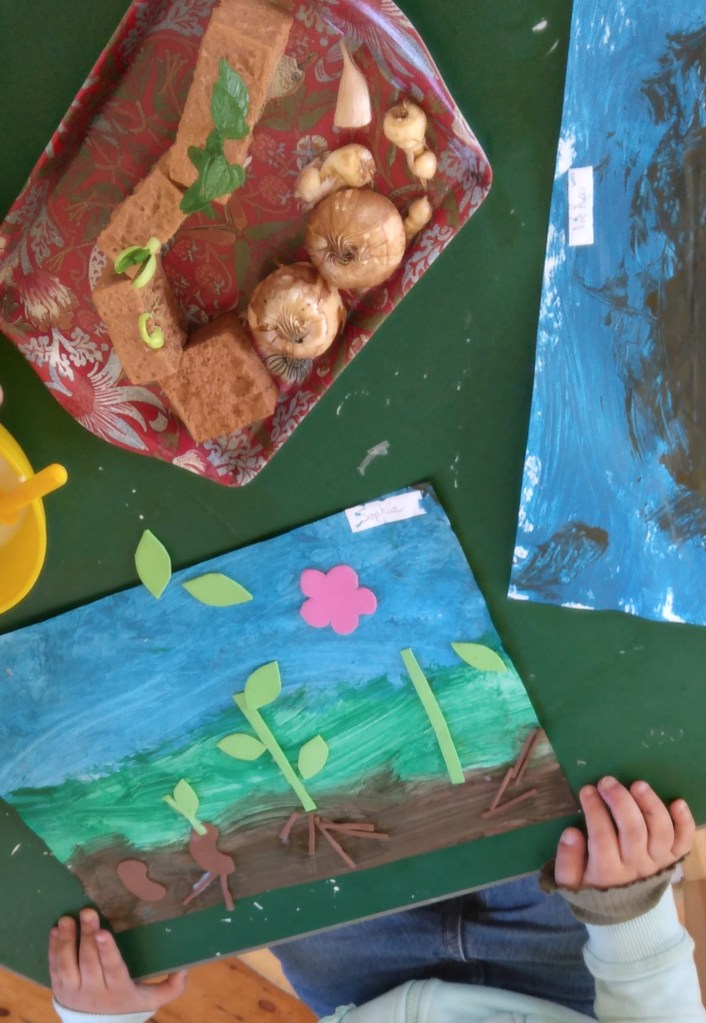
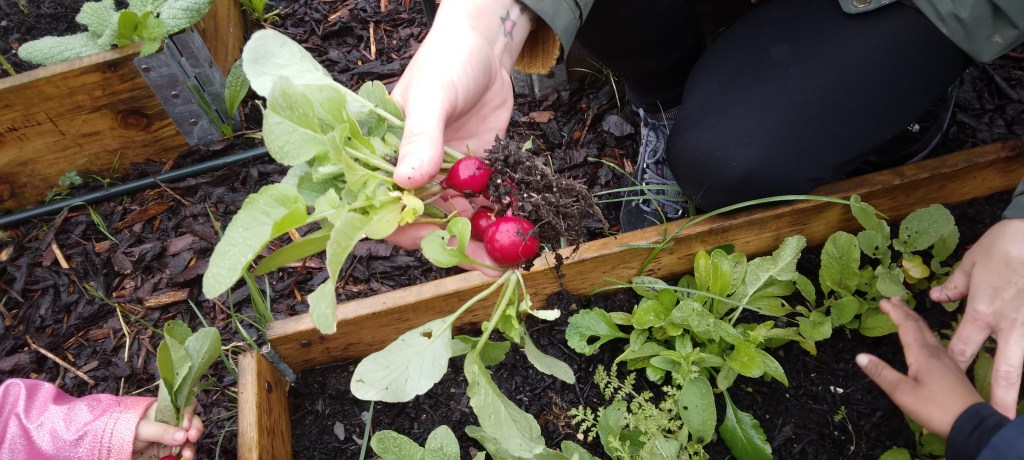
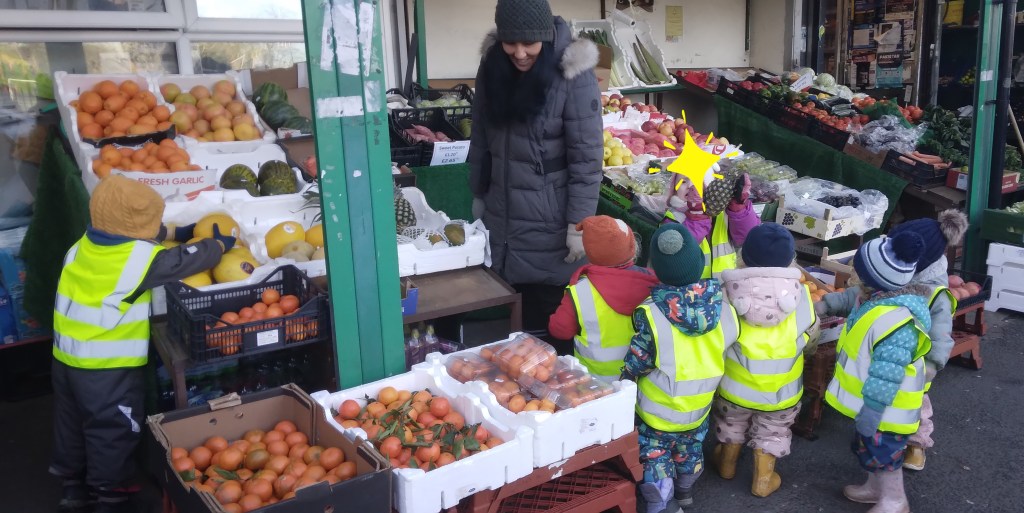
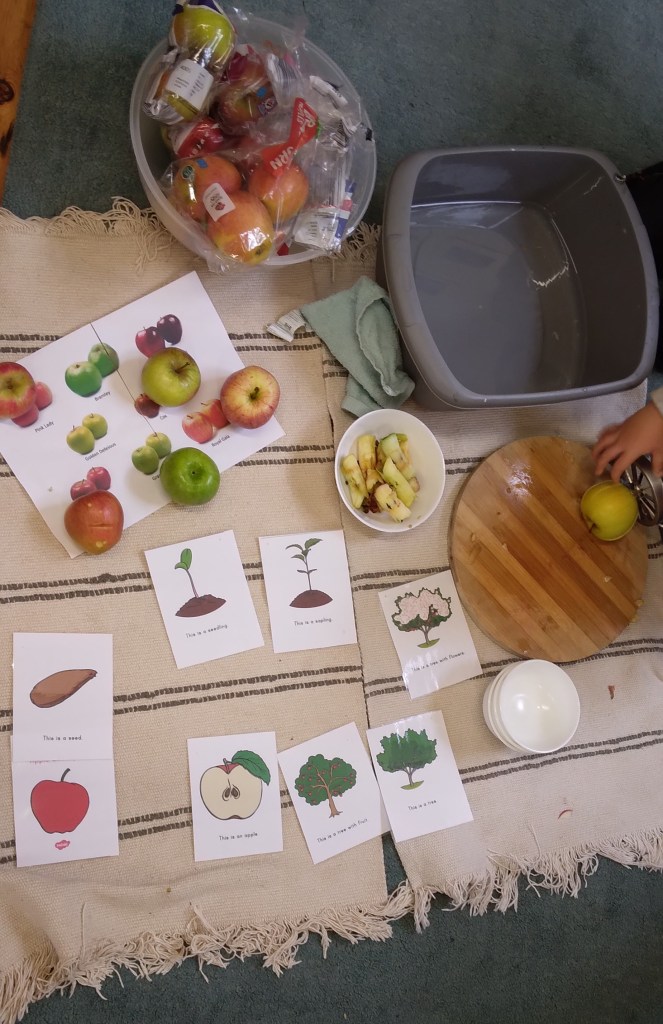
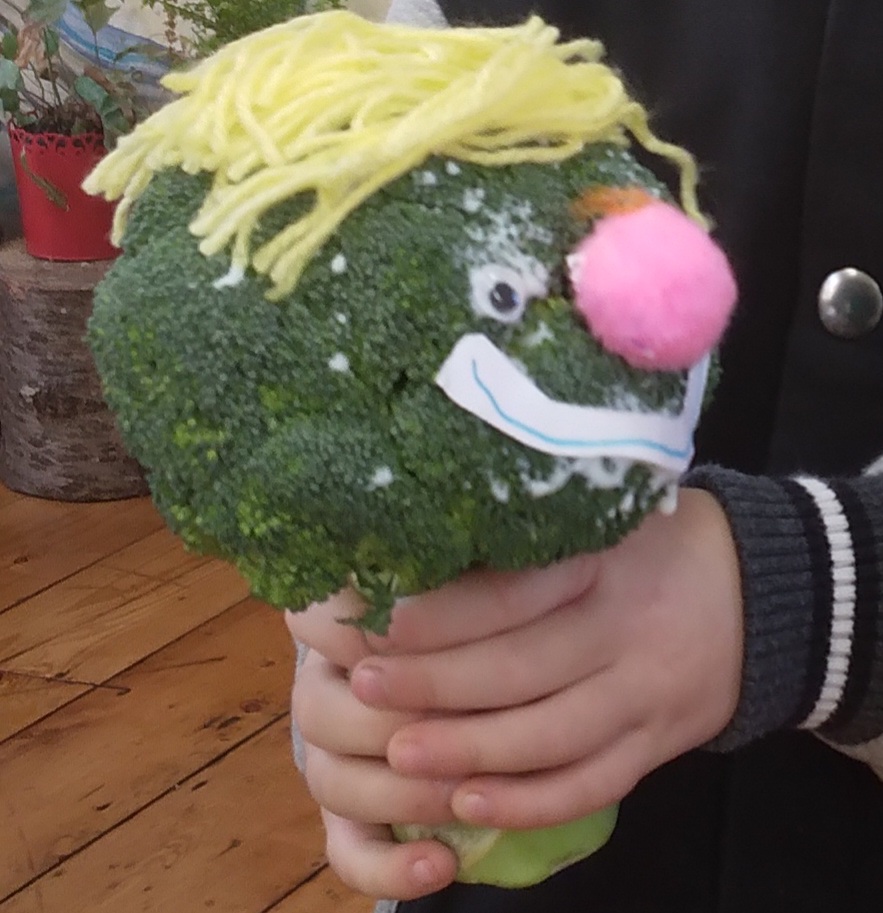
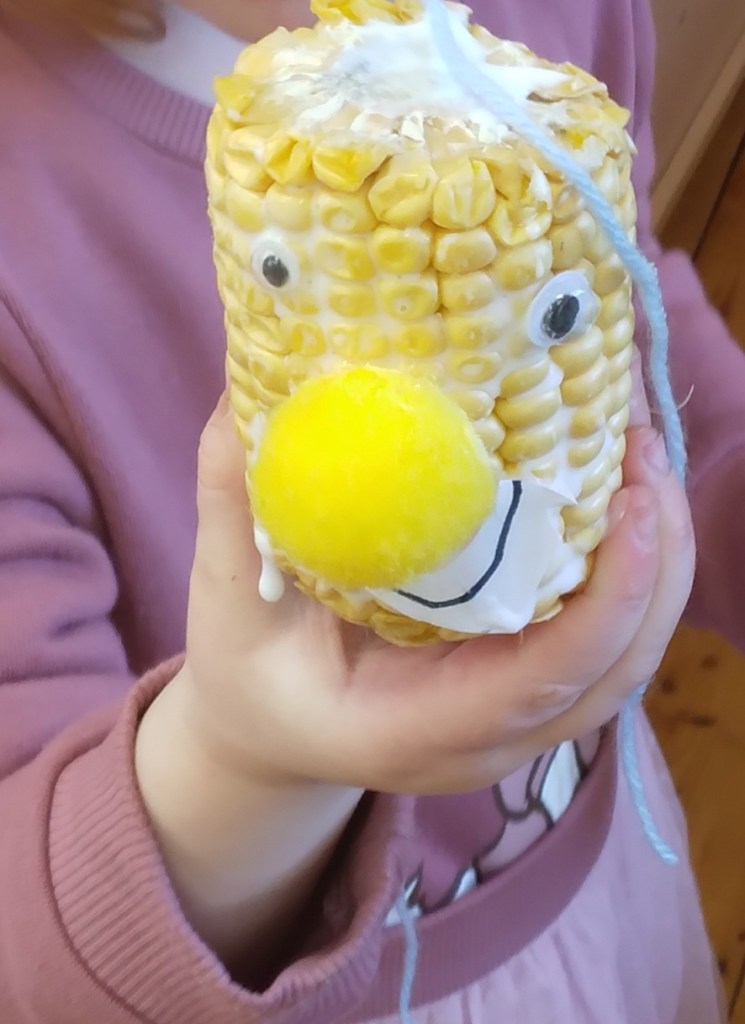
As every year in Manchester Montessori House, we talk about harvesting and the good we receive from the planet Earth. Together with children want to be grateful for it and we look at the cycle of life, the food chains, but also the fruits and vegetables that we are consuming. In the month of September, but also throughout the year, we explore different vegetables and fruit together with children. We grow them together and harvest them, we experiment while cooking and use them in our snack area. We use them in our creative corner, but also to introduce children to the different mathematical concepts: quantities, shapes, , number work. We explore them using our senses: sight and touch and taste, but also smell to cover our Sensorial Curriculum area and as mentioned use them to introduce children to the food chains and life cycles of fruit and vegetables, but also learning about the origins of fruit and vegetables and where they come from, support our learning of different cultures in our Cultural curriculum area. They are also perfect to be introduced in Linguistic area while learning about different sounds and letters, but also other languages. We can find them commonly in many books. We like sharing fruit and vegetables we grow with the community, as our garden is designed for growing and harvesting, we also plant and harvest our own fruit and vegetables.
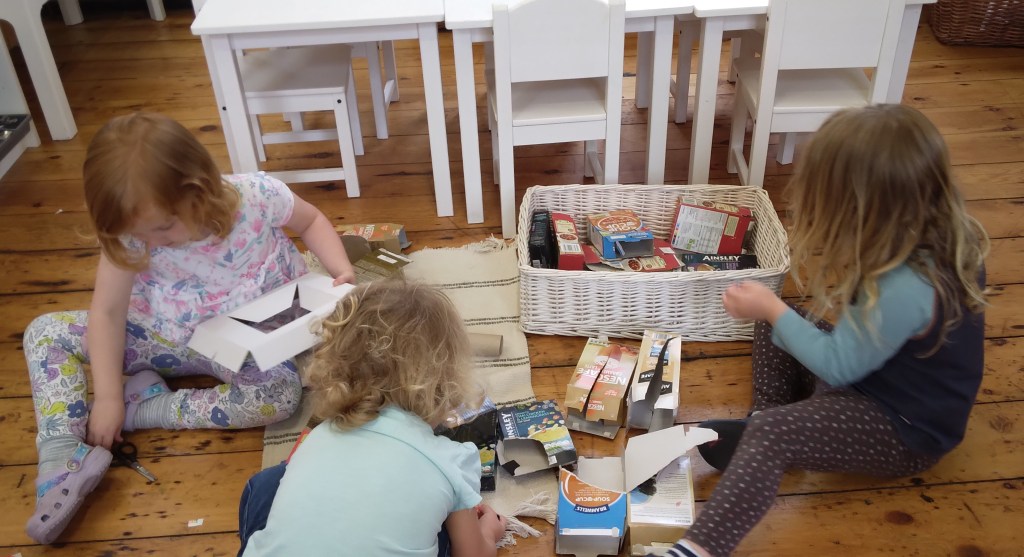
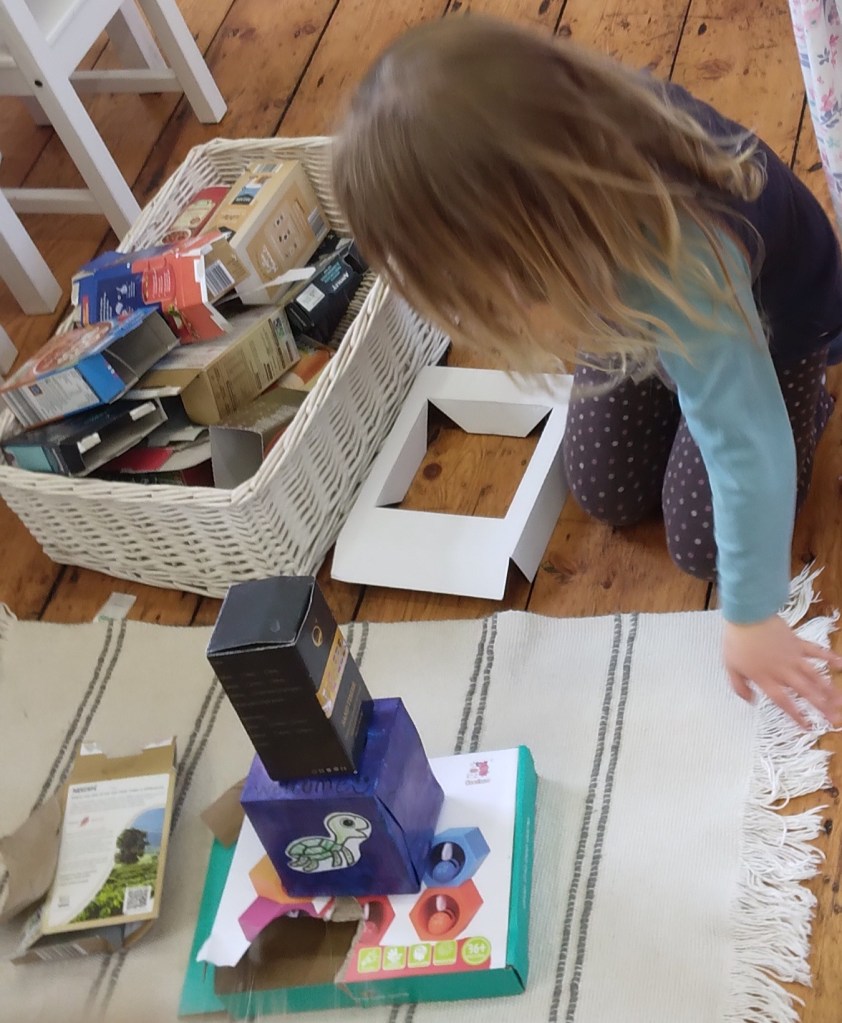
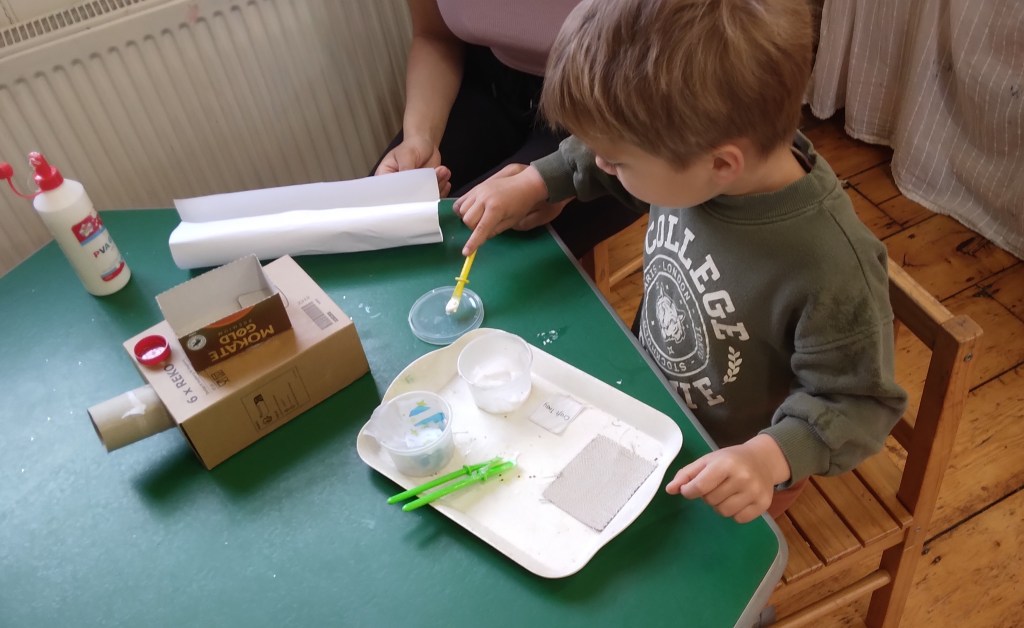
Children at MMH have enjoyed junk modelling, bringing in various materials like cardboard boxes of different shapes and sizes, tubes etc to create cars building robots using their ideas to reuse and repurpose the materials.
We also set up and introduced at MMH a community swap shop where parents and community bring clothes, toys and books.
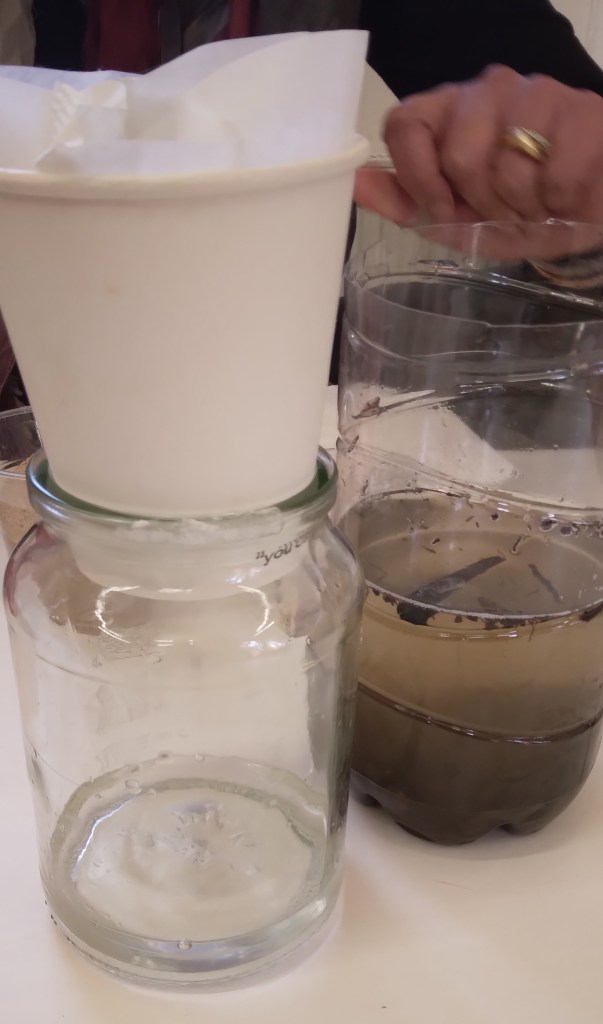
The children have had first hand experiences filtering water experiment and using the clean water to water the plants, learning how to make paper during our outdoor sessions.
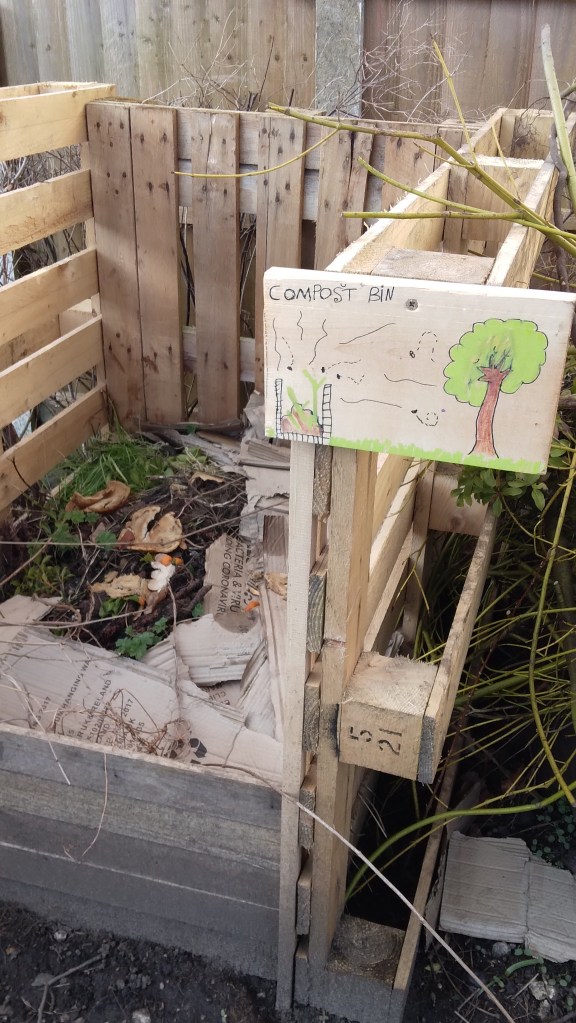
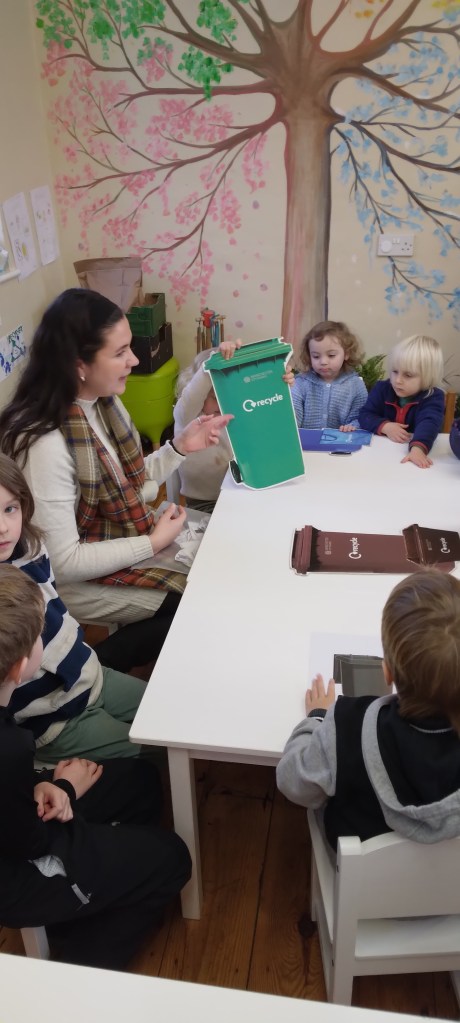
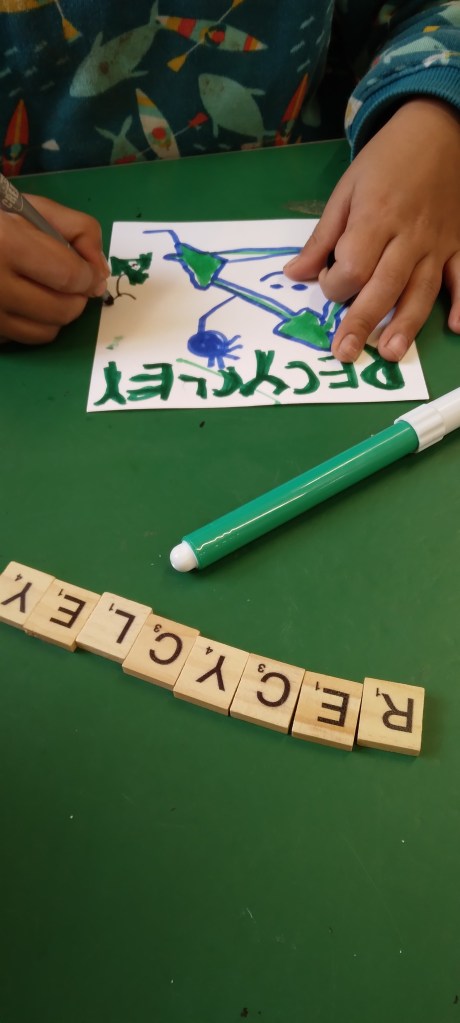
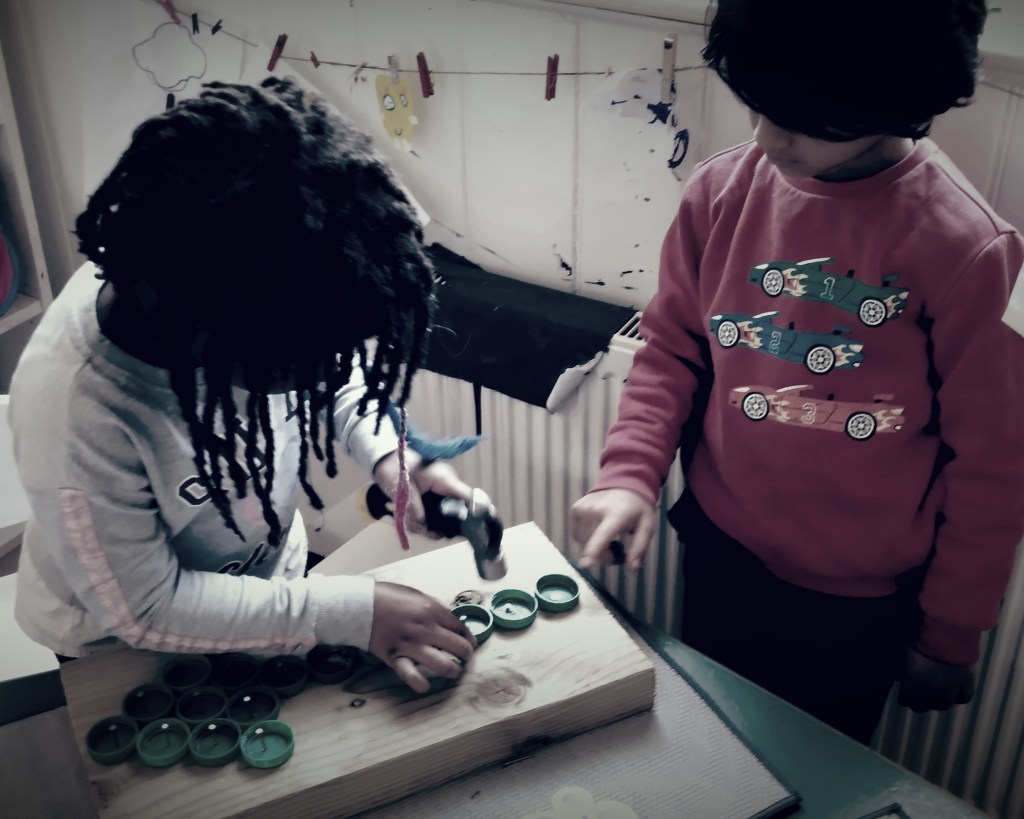
The children are involved in emptying the recycle baskets which we have placed along the general waste and food waste bins in the classroom. At the end of the day and always ask questions such as where do I put my yogurt pot? Can I recycle this?
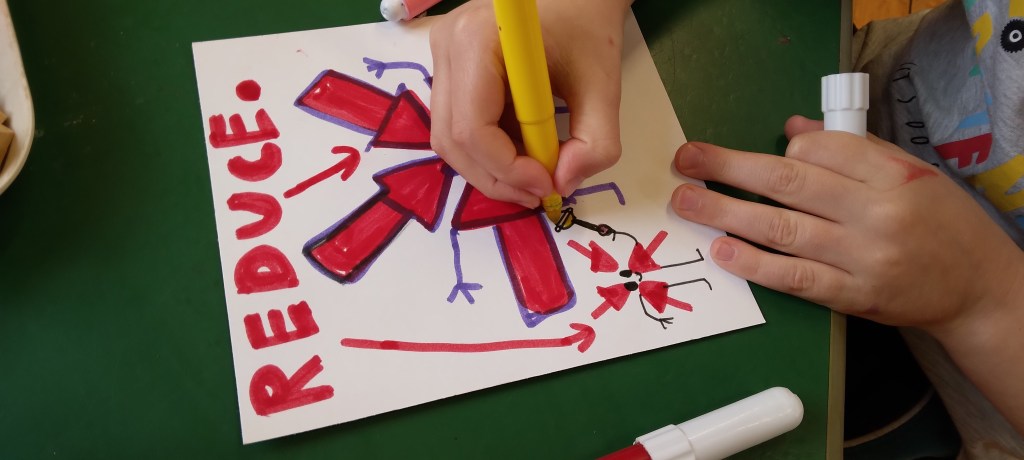
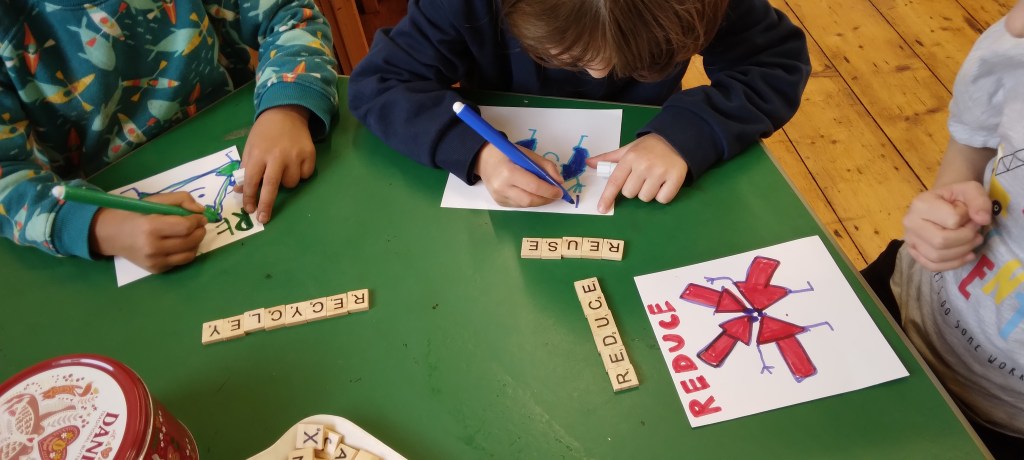
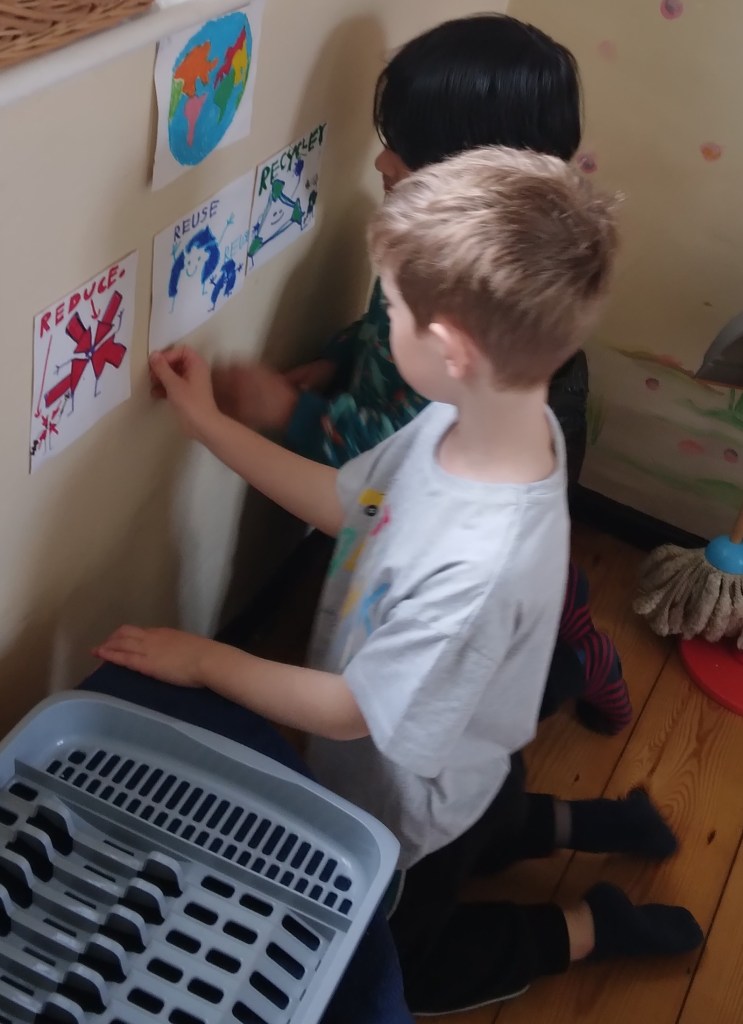
We have introduced 5 Rs:
Reuse
Reduce
Recycle
Refuse
Repurpose
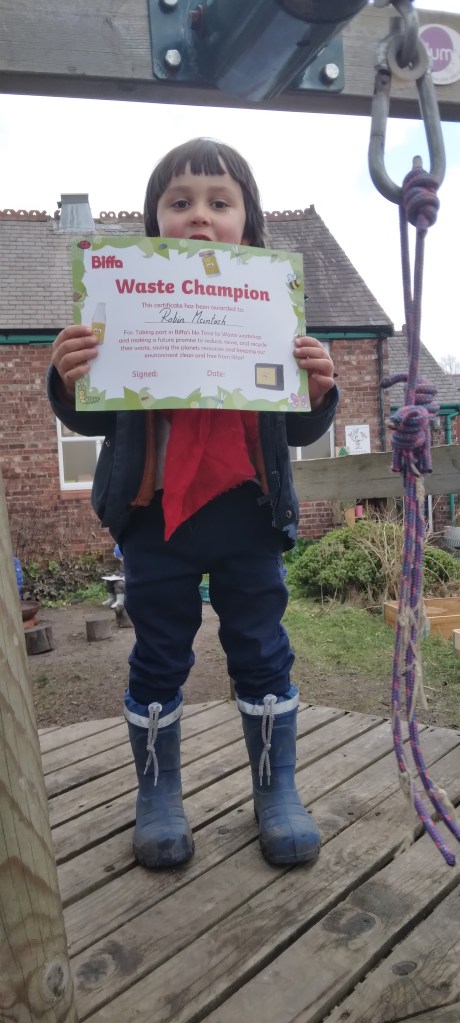
To encourage children to think about waste they produce and rethink what they can do with it.
Air & Pollution
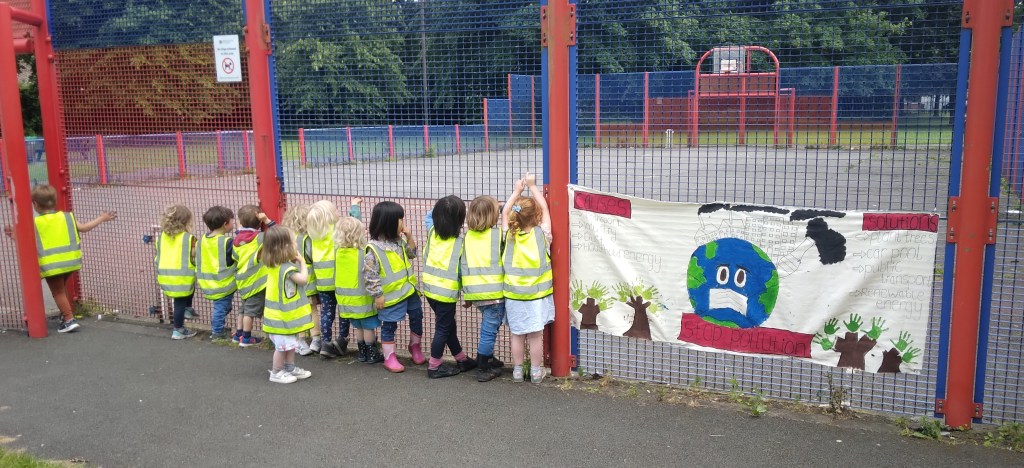
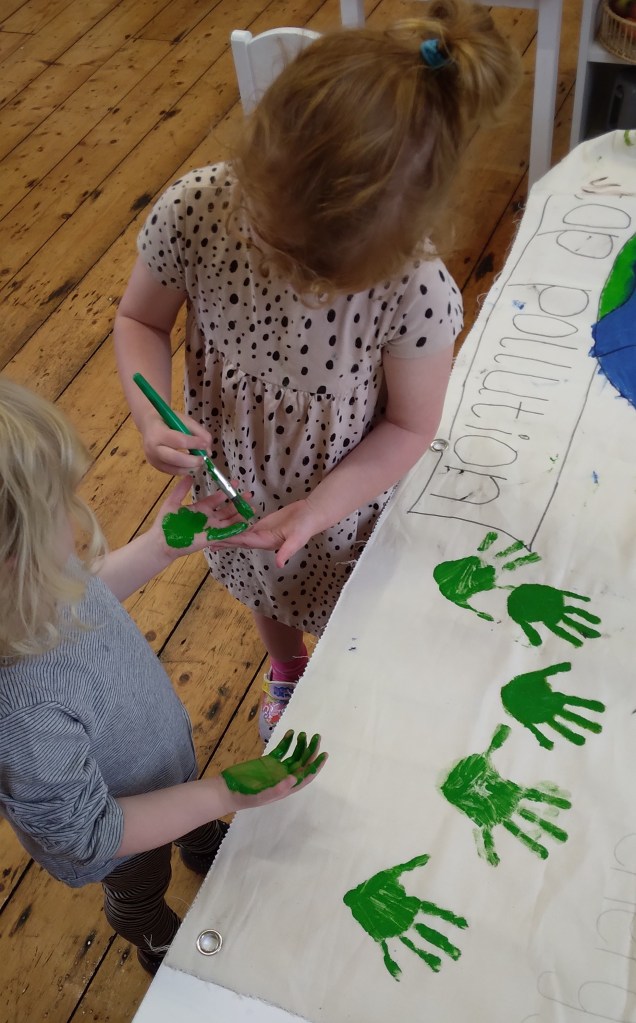
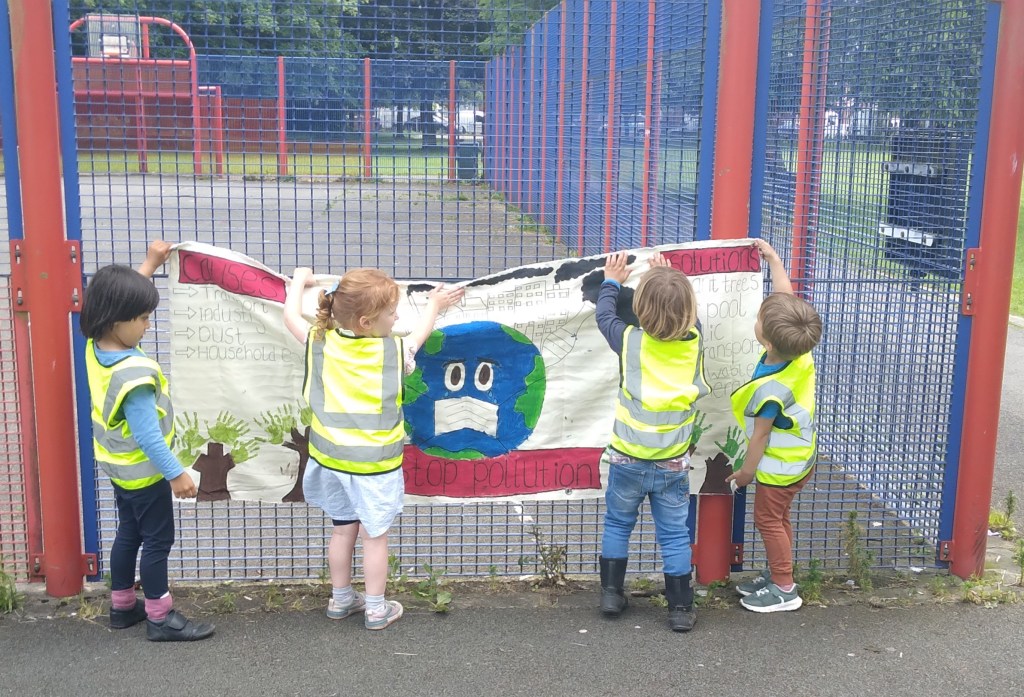
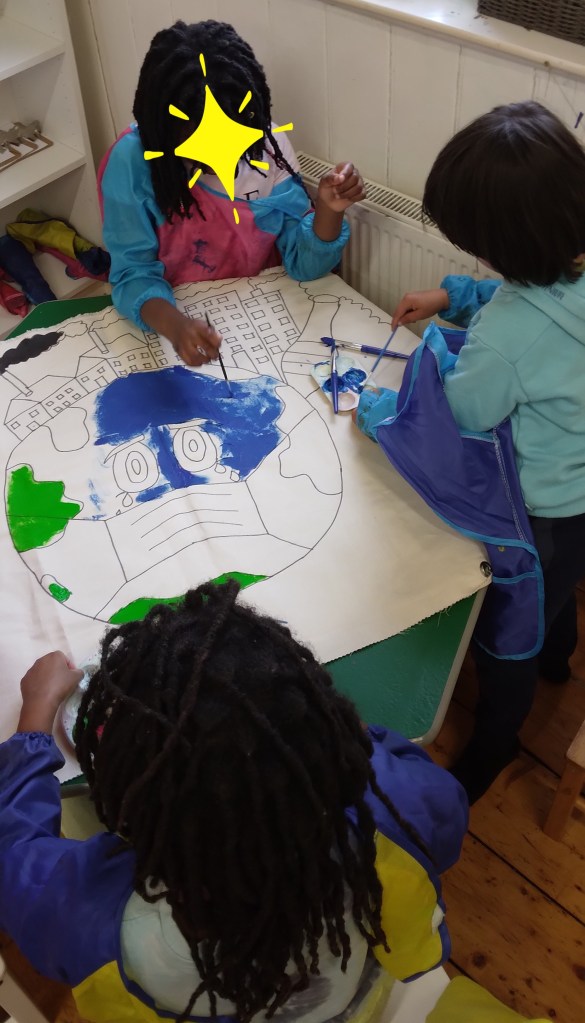
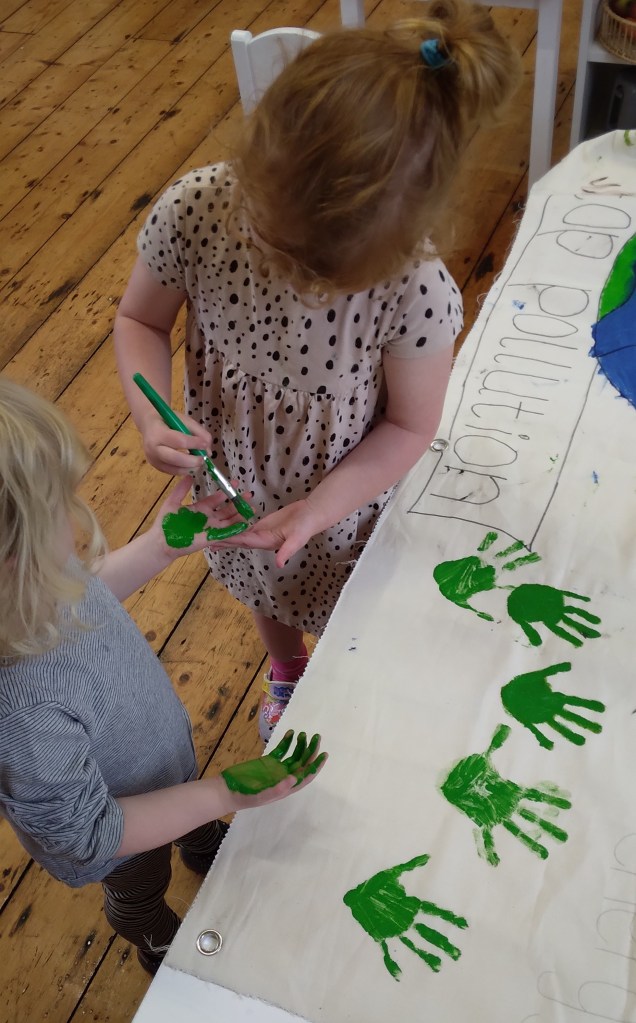
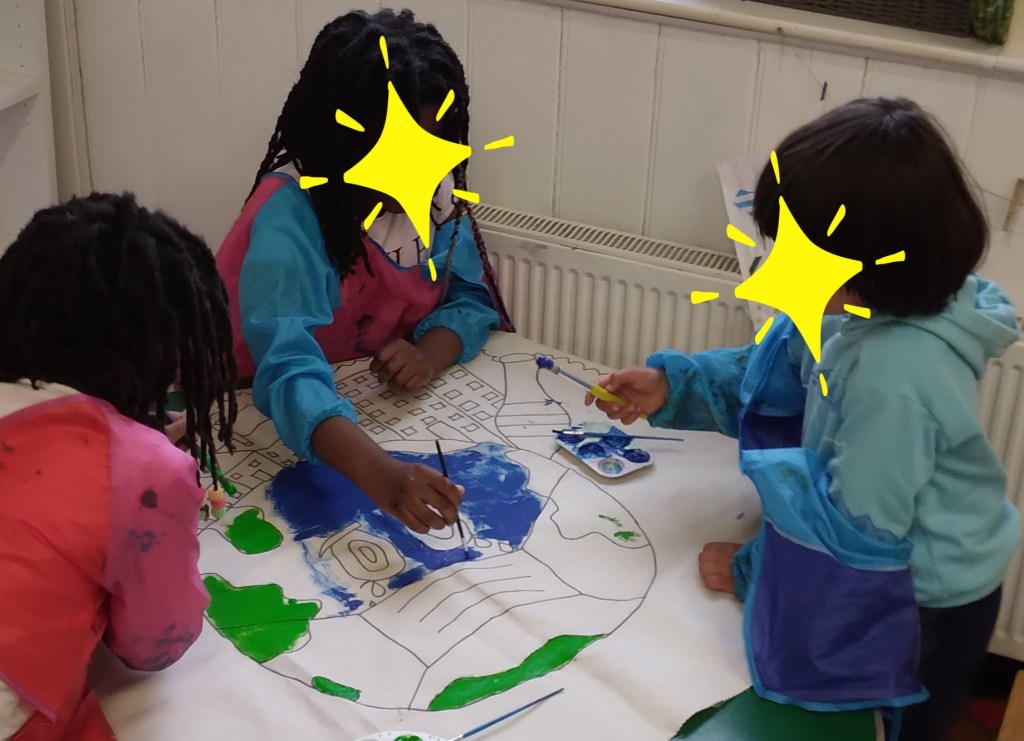
Children at MMH created a banner for the local community as they were holding an event promoting clean air, carbon footprints.
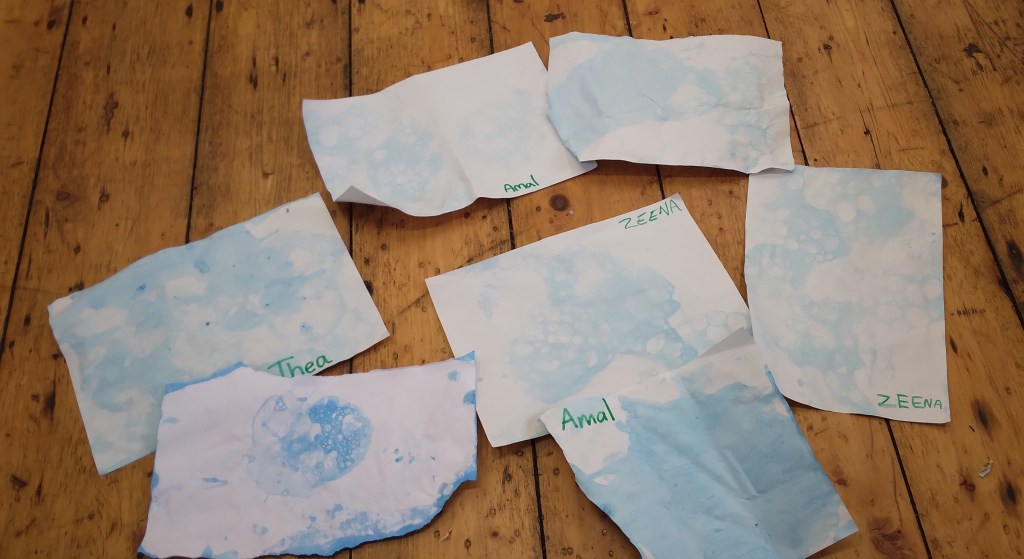
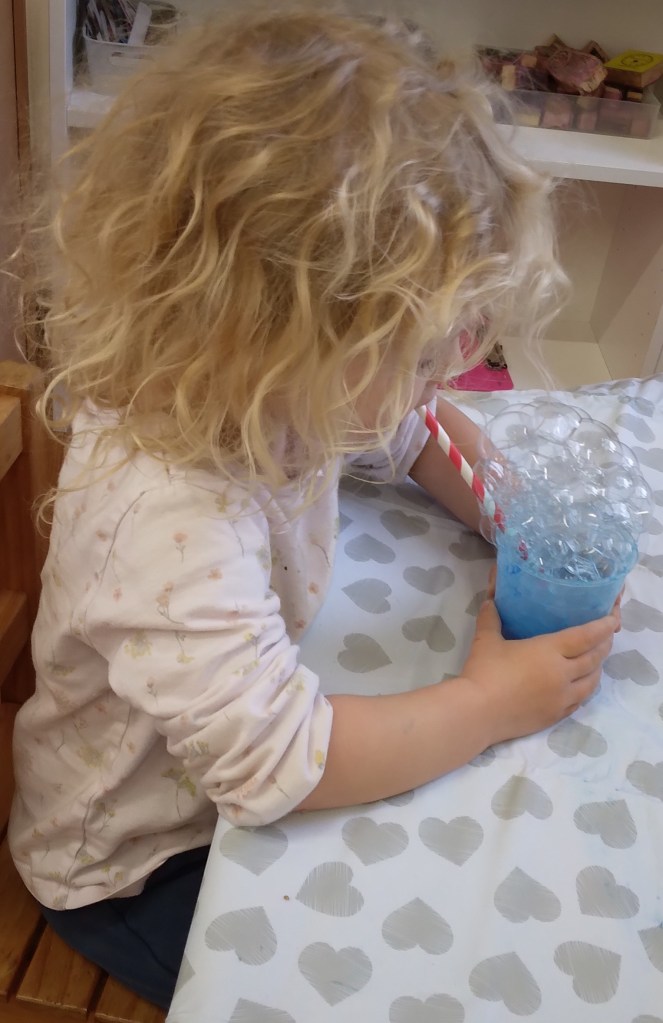
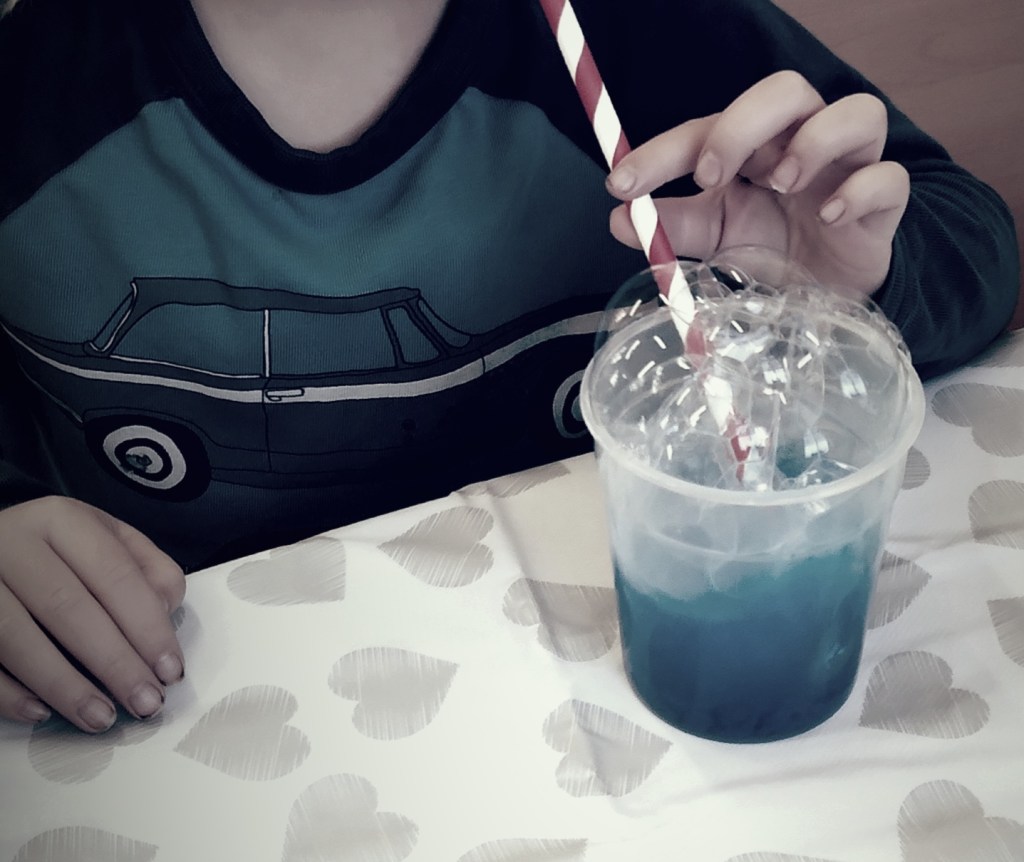
We have enjoyed blowing bubbles: light blue paint representing clean air and black paint representing dirty polluted air.
We have learned some songs relating to air pollution and sorting exercise which involves putting pictures/ objects that are beneficial for our planet Earth, and those that are not.
This year, we especially focus on clean air and transportation. Oxygen that gives us life is important for our growth help us to breathe and stay healthy and safe. As the community we join local actions with the Clean Air charity organisation, that promotes clean air and encourage people to clean to keep our air clean for all generations. Children designed the banner, and we talk about importance of staying safe and about the care of our lungs. Children went to the local park to display the banner and take part of the clean air picnic.
Transport: leaning about modes of transport
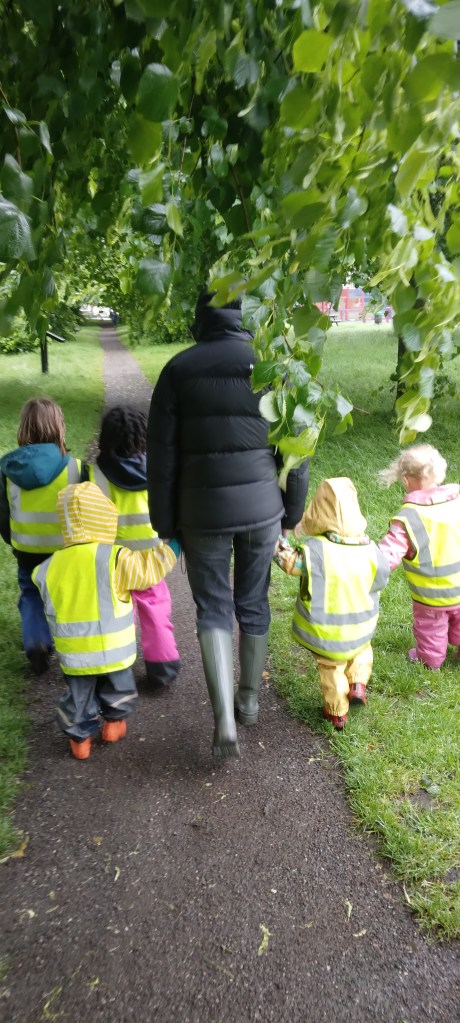
We have focus and lead many discussions on safe transportation. We talk about transport and different models of transport. Together with children, we look into the water transport, air transport and transport on land. Children were able to refine the differences. We also look at the green transport which is more environmentally friendly. Most our family’s scoot, bike or walk to the nursery, but we also have families who travel in a car or use public transport like buses and Metrolink. Together we discussed different options and looked at the different distances and places that we can reach on foot. We have promoted and encouraged children to join many walks throughout the year in a local neighbourhood, so they become familiar with the infrastructure and local facilities. It was amazing experiences.
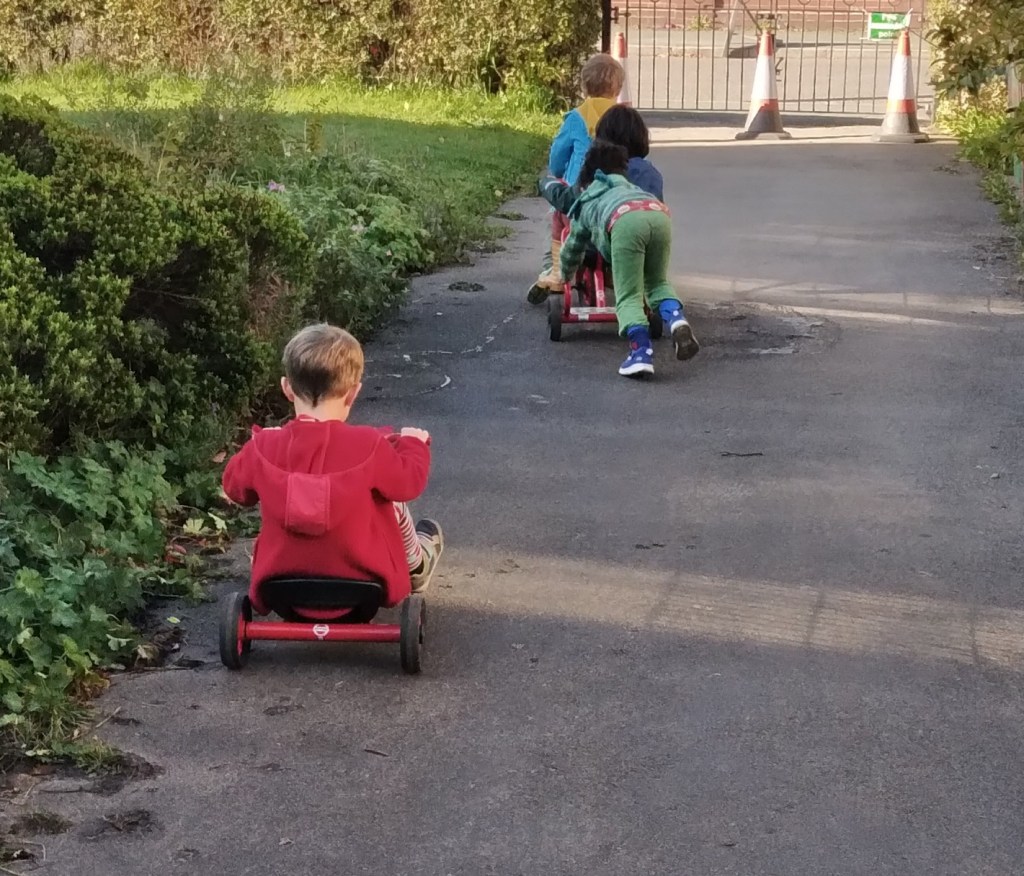
Transport: How to promote cycling and walking – bike safety, bike/scooter ride.
To promote this the children and MMH have been going on local walks in the Community. We have sent o communication out to the parents to support this.
Most of our children ride bikes or scooters to our nursery. We also have made an enquiry of having access to cargo bikes.
The Eco Committee created benefits poster and spoke about how ridding, walking and scooters is healthy.
Healthy living: our health and health of our planet. Growing fruits and veg.
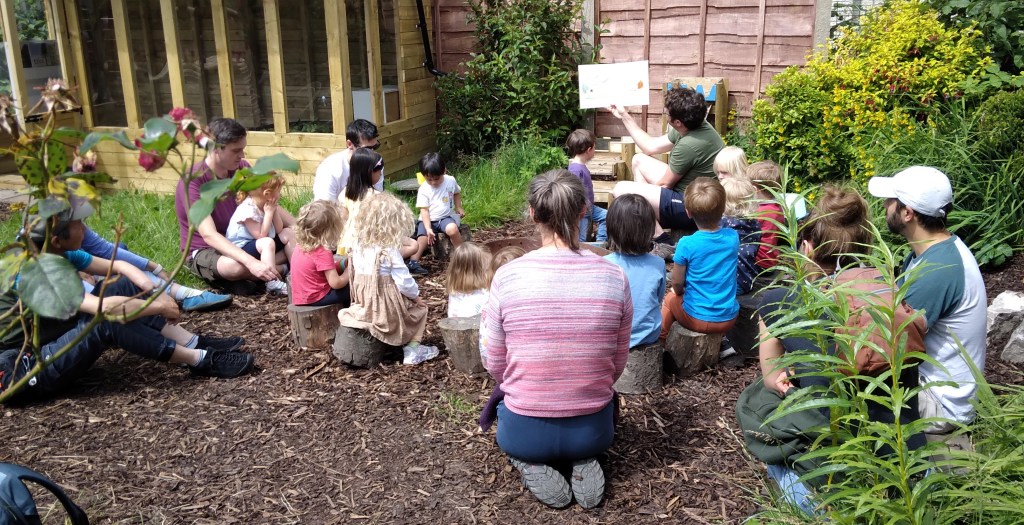
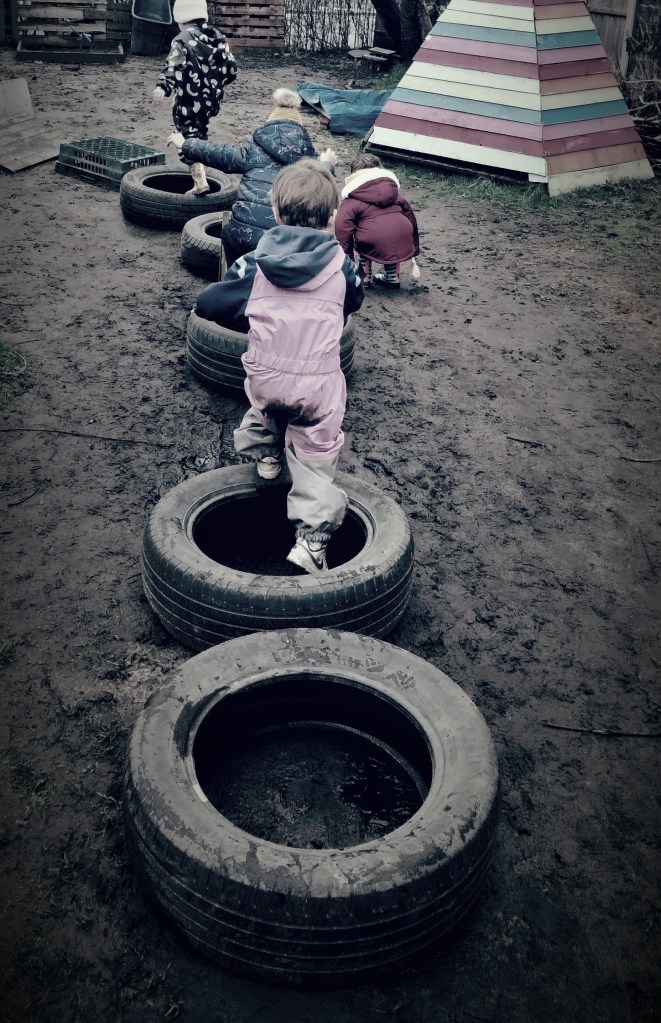
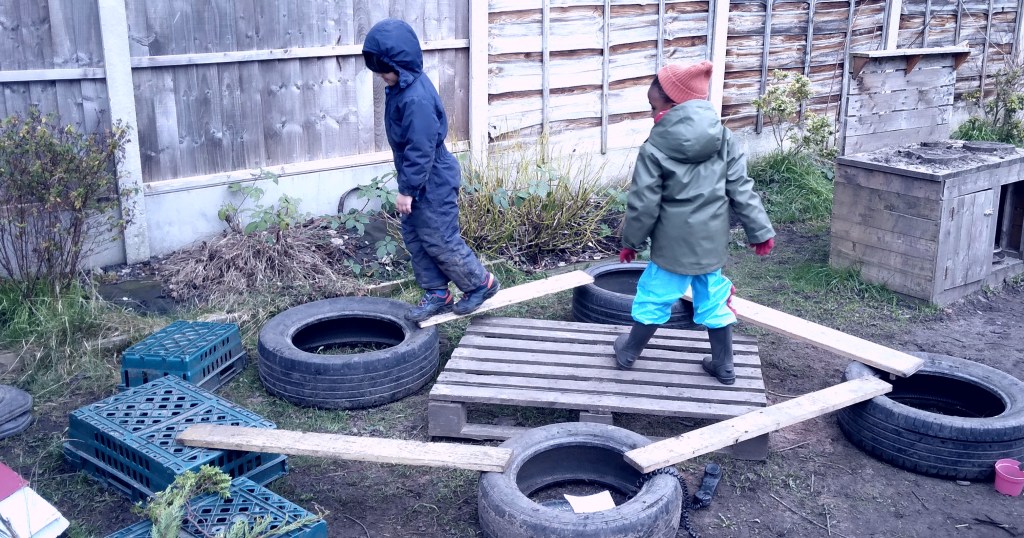
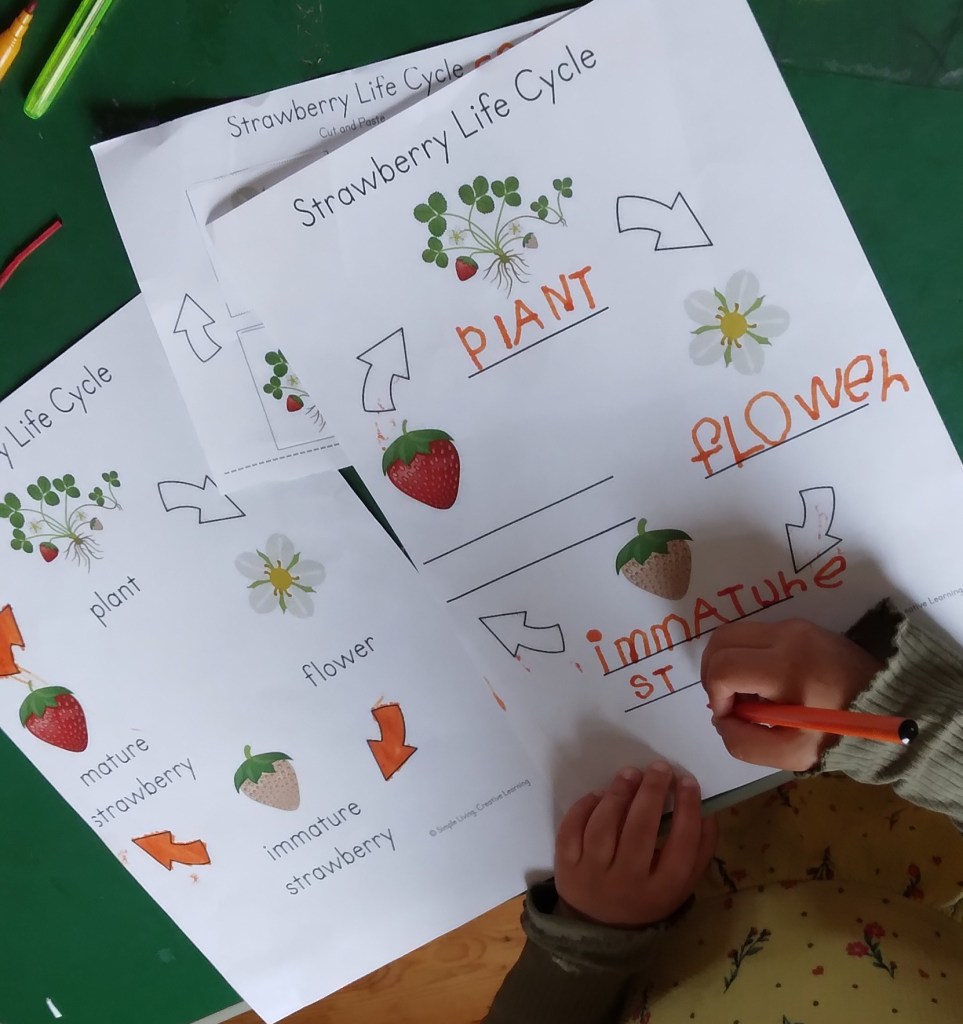
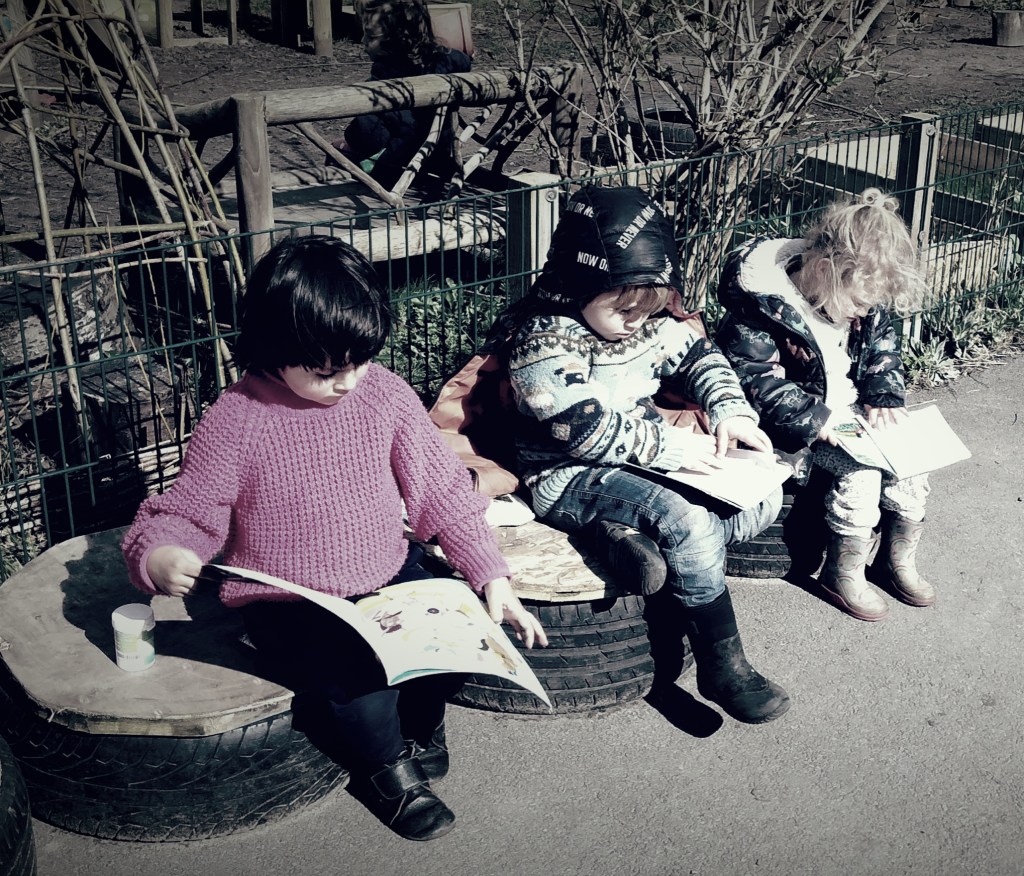
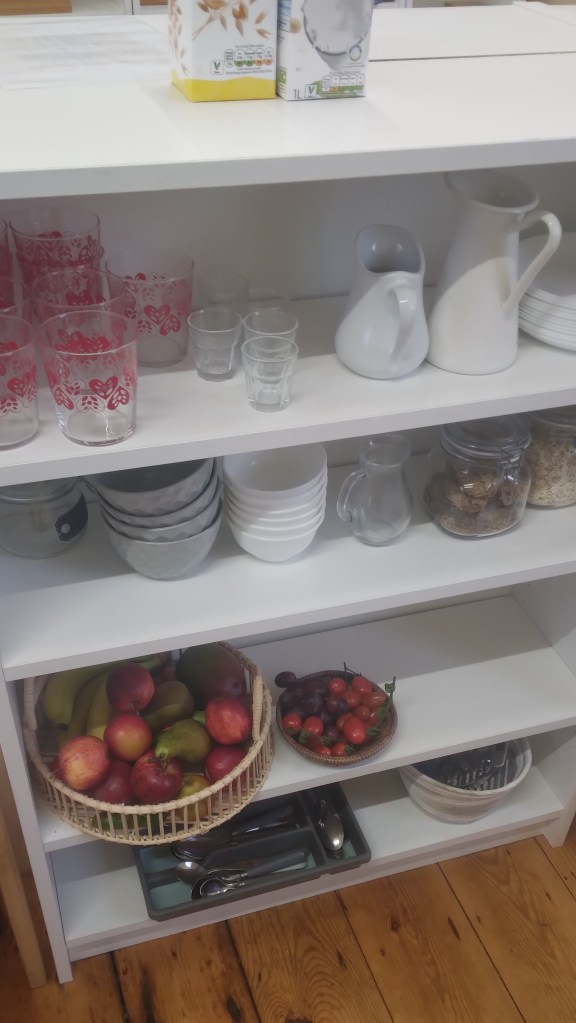
In Manchester Montessori house we focus on the topic of healthy living and benefits of growing our own fruit and vegetables: feeding organic eating organic, but also having the healthy balance in our life including movement, exercising and rest. Children were introduced to different activities. We look at our snack area while we discuss healthy choices. On our shelves we can find fruit, vegetables, plant-based milk only. During the day children have access to Weetabix and porridge throughout. We also talk about importance of rest where we can recharge our bodies and our energy. After lunch time, in Montessori house, we sit together in a book corner reading stories or sharing stories, playing different games. We talk about importance of the outdoor play, where our body can get to exercise using different equipment: like scooters and bicycles, but also use the space around us to run, hop, jump. We have done a lot of obstacle courses with the children that encourage the health and movement outdoors. We go outside daily, no matter of the weather, to get fresh air and exercise our body and support the gross motor movement.
Topic of healthy living also reflects and relate to the health of our planet. We look at the planet Earth as the only planet that the life exists on, that we know so far. We have open discussions about how we can look after our planet, what can we do to sustain a long life of our planet and what can we do to improve the health of our planet through our daily activities. Children enjoy joining the different conversation and discussion that happened throughout the day throughout the weeks across the classroom, indoor and outdoor classroom that build awareness of becoming most sustainable and mindful while using sources given by Mother Earth. One of the important elements to promote that is our Forest School/ outdoor learning on Mondays, where children experience sessions delivered by qualified forest school practitioner.
Healthy living: our health – fruits and veg
As a Montessori setting, we emphasise on independence, freedom within limits and respect for children’s natural psychological, physical and social development
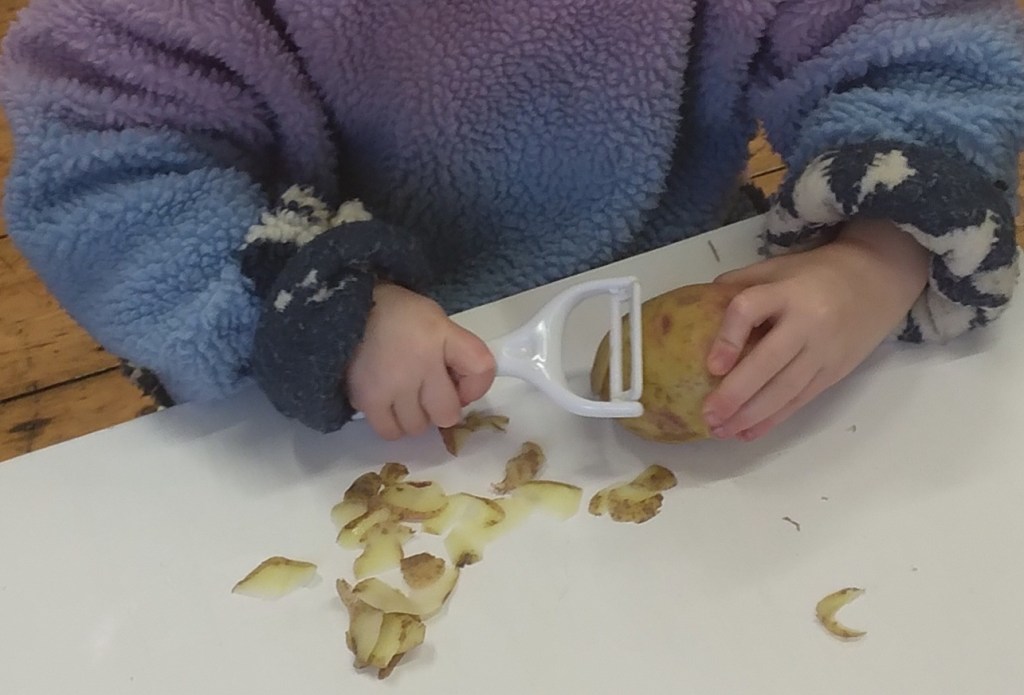
When it comes to nutrition, we incorporate this into our Curriculum emphasising the importance of healthy eating by providing fresh fruits and vegetables for snacks which are self-directed allowing children to choose from variety of healthy options, guiding them towards nutritious foods.
School Grounds: improvements for children & staff, improvements for plants, insects, & animals
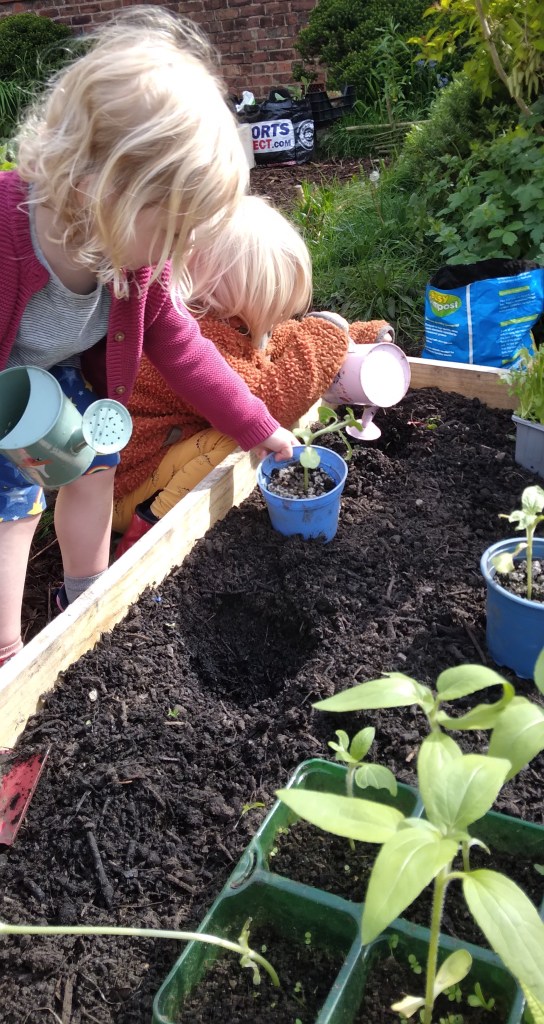
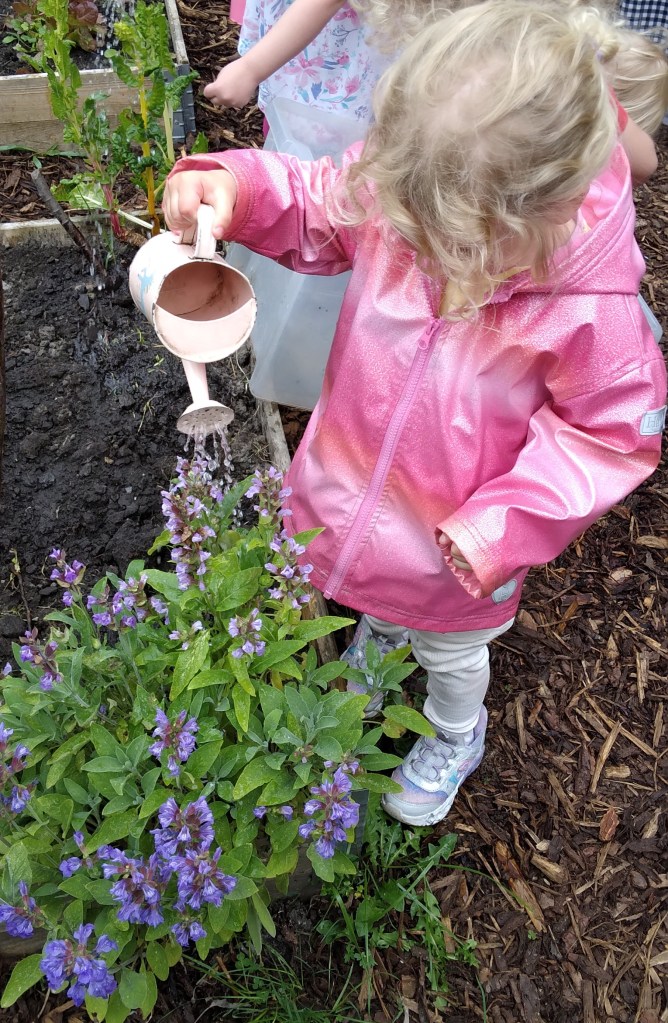
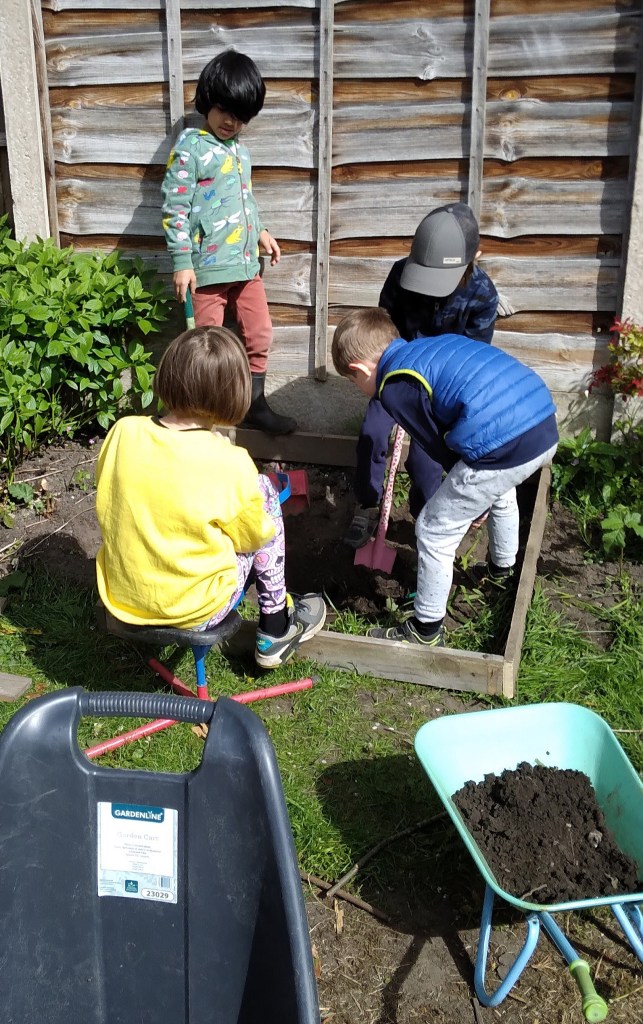
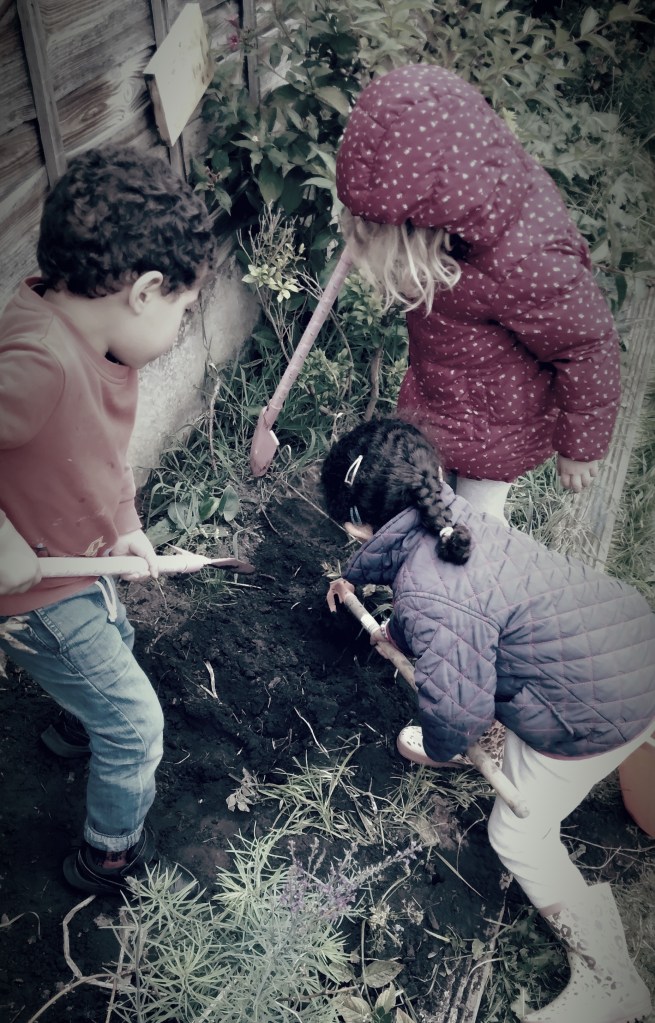
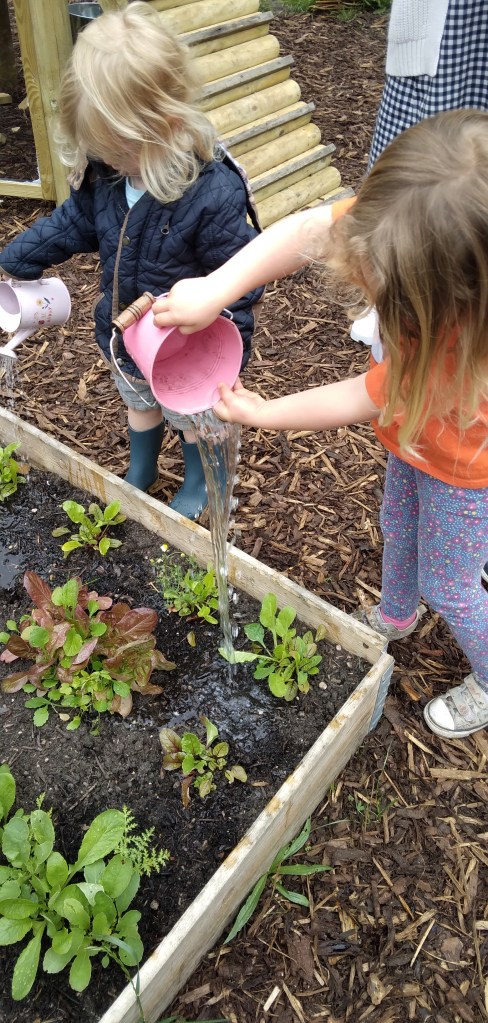
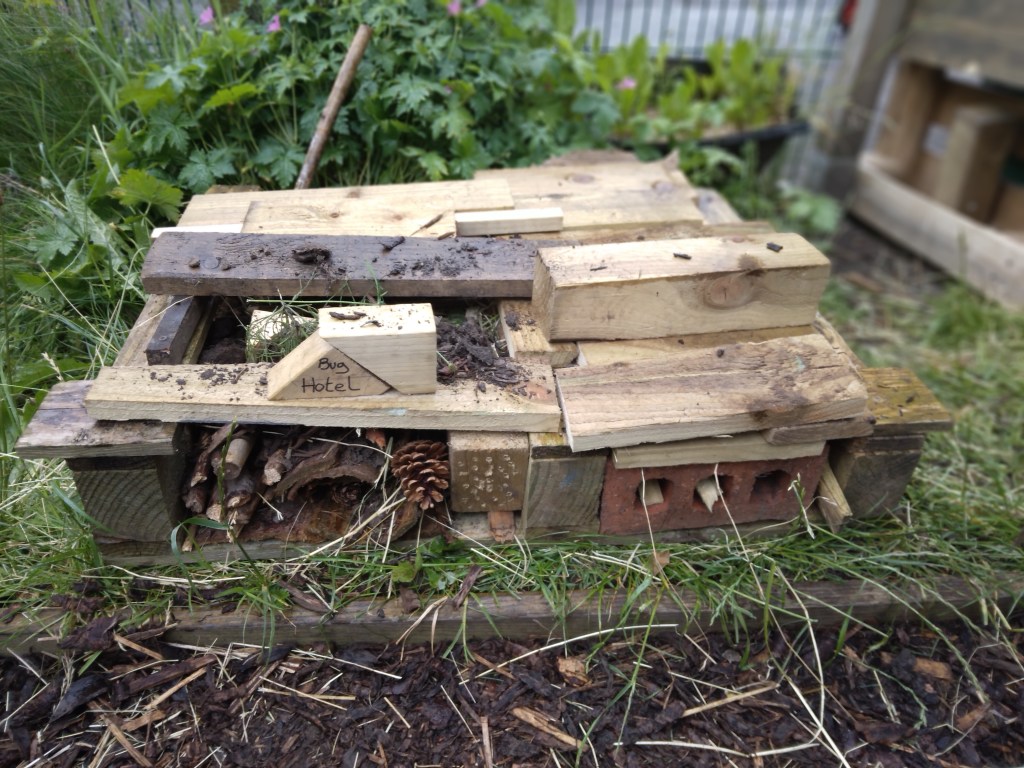
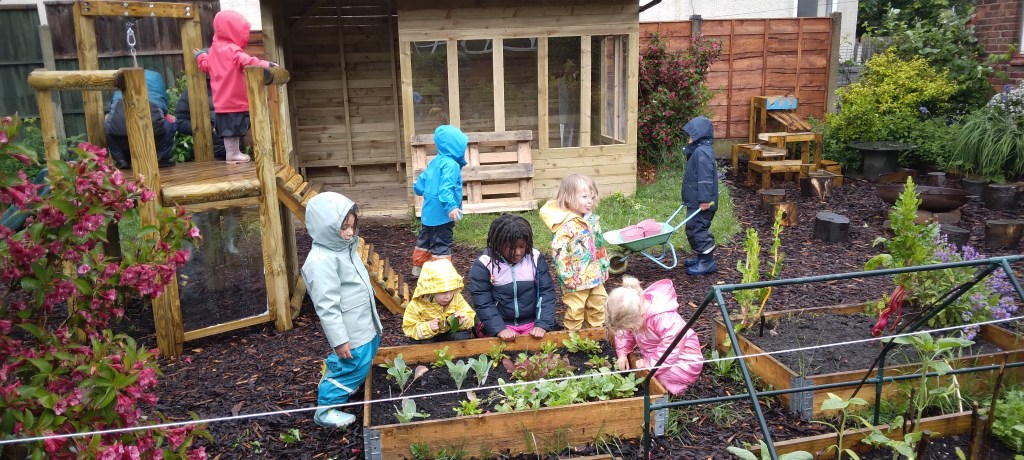
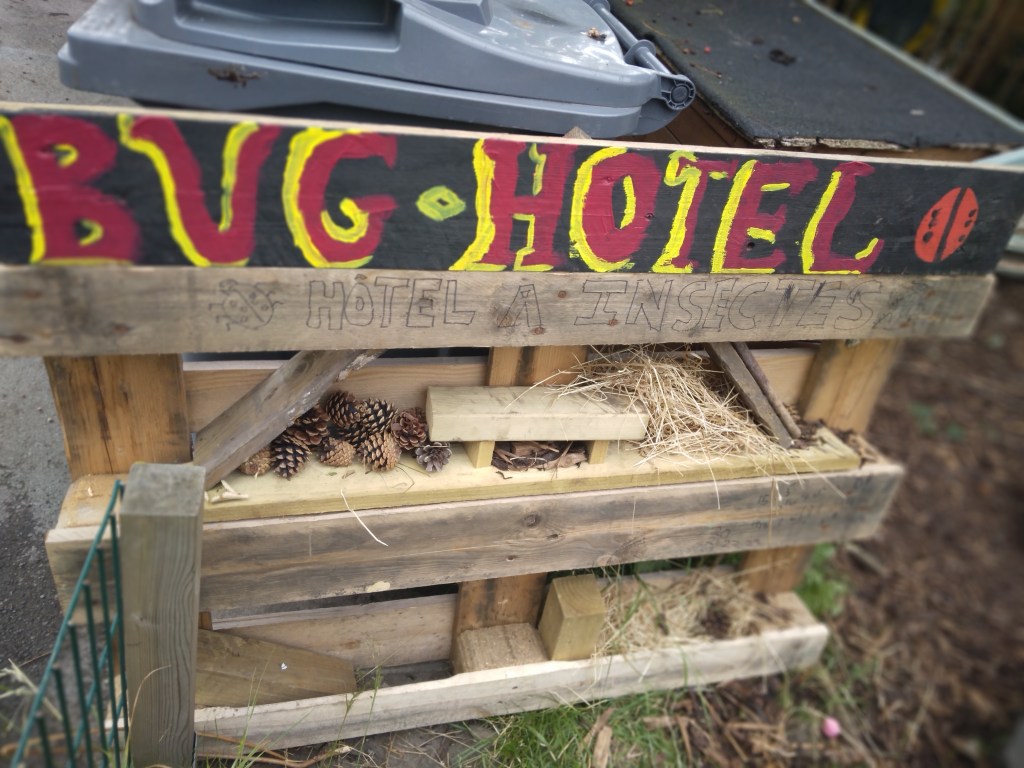
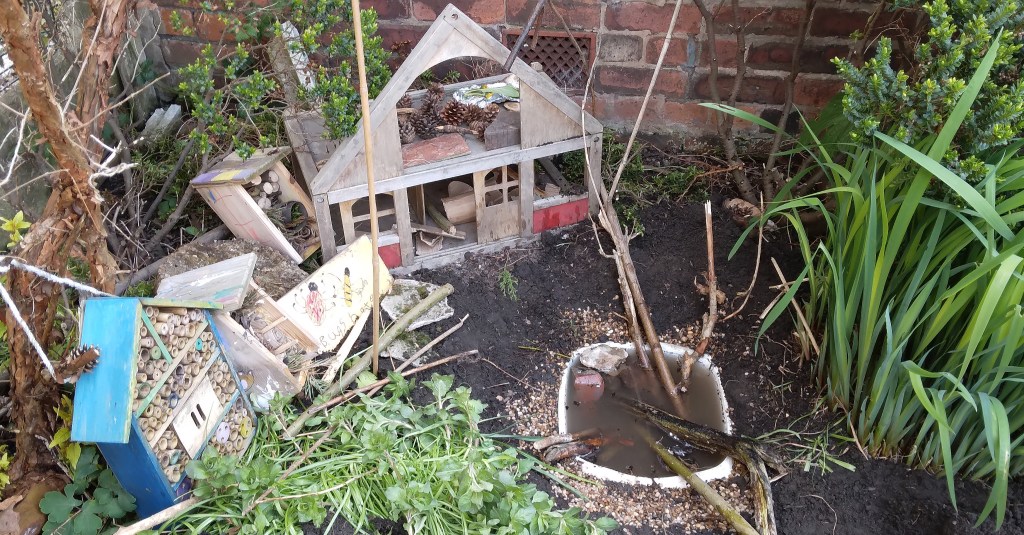
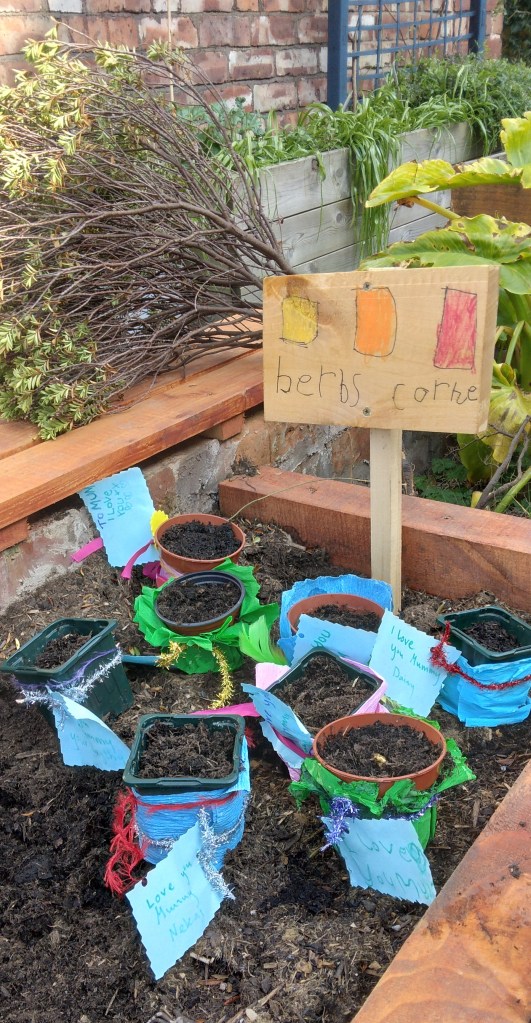
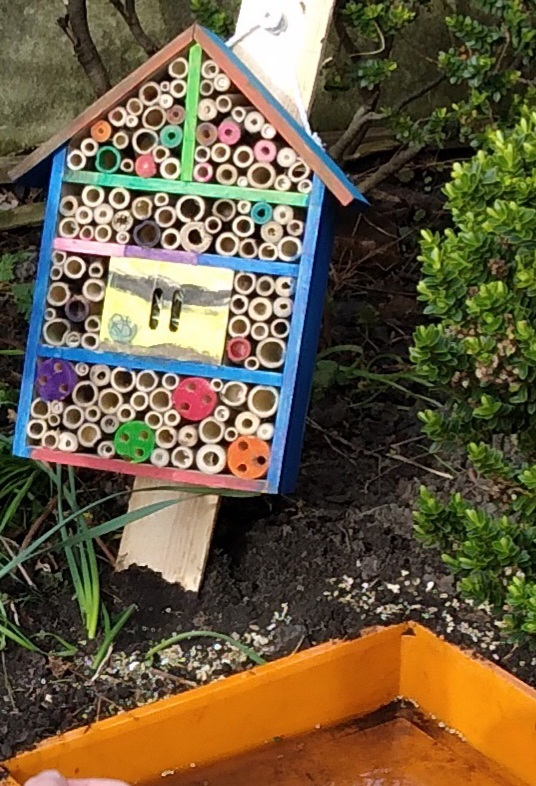
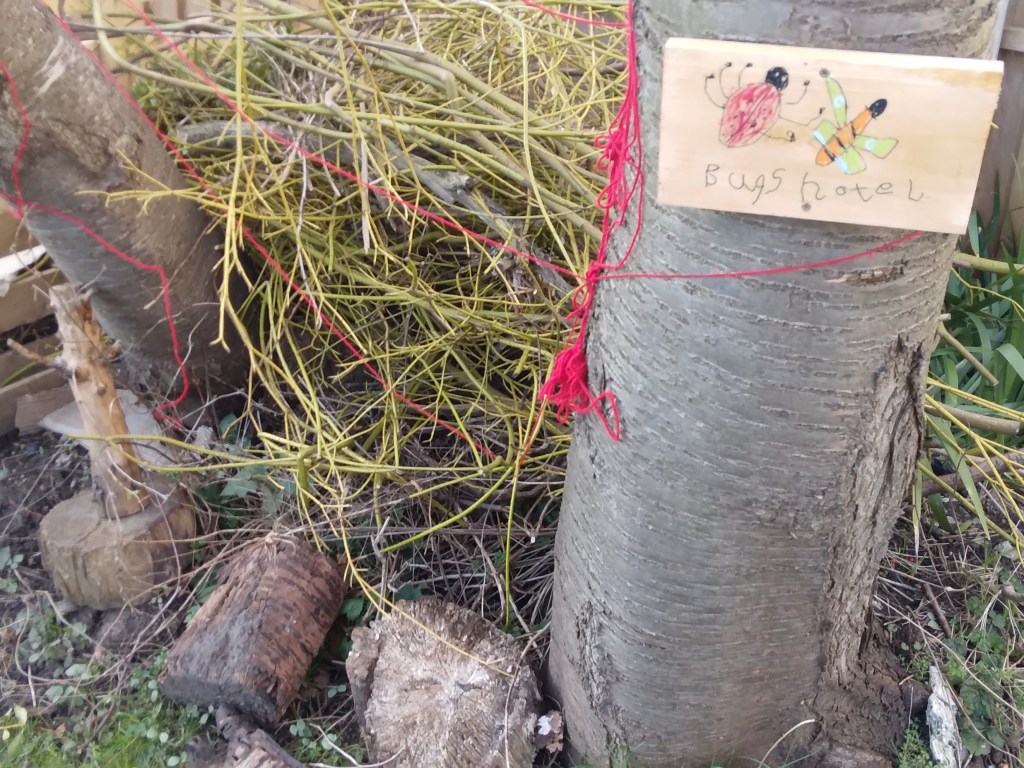
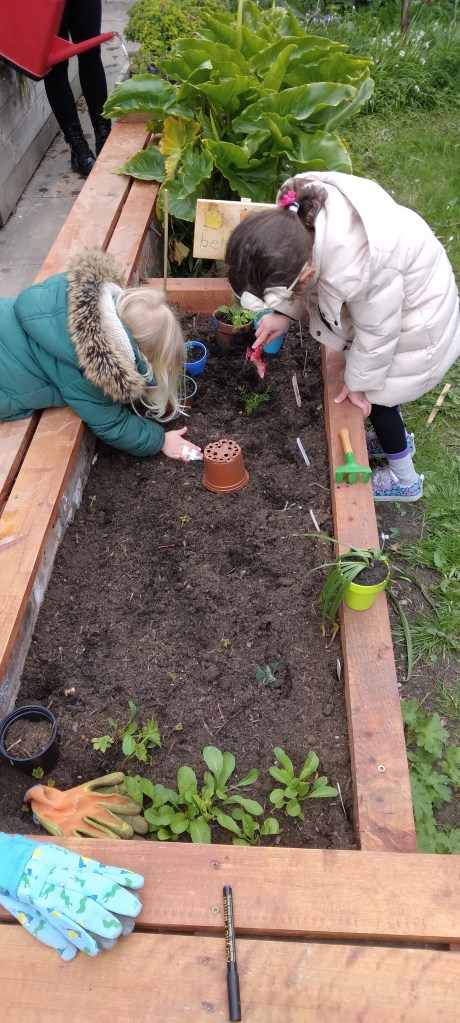
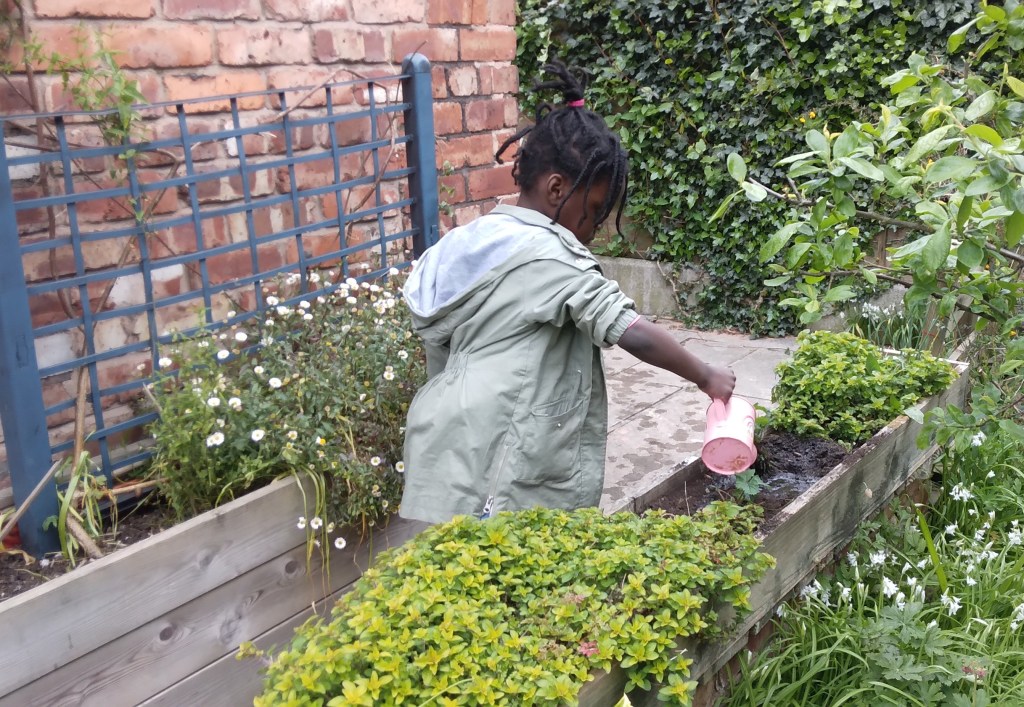
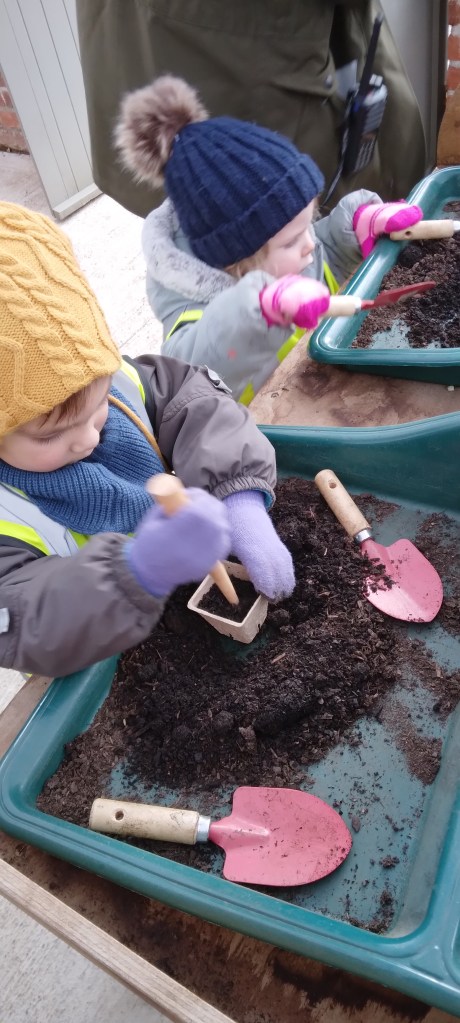
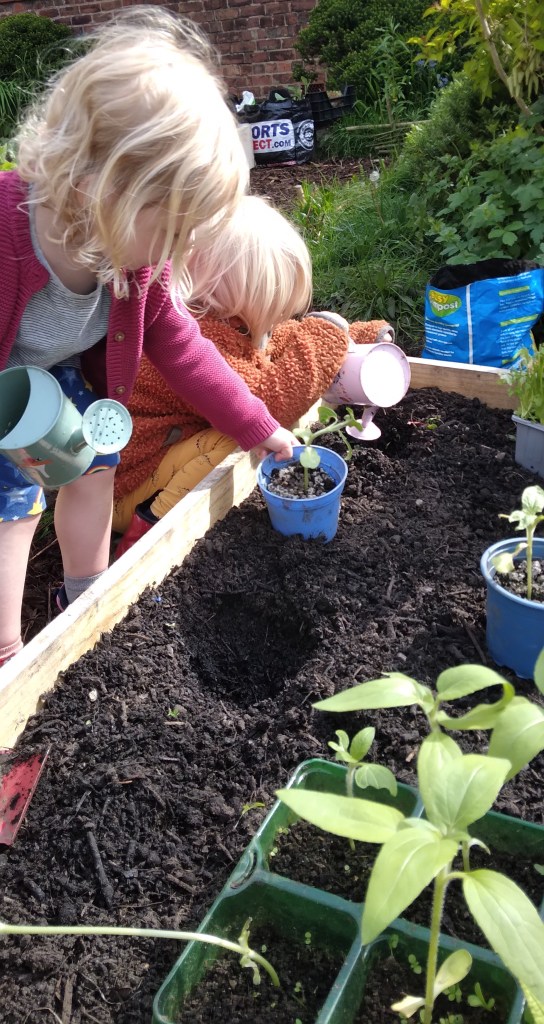
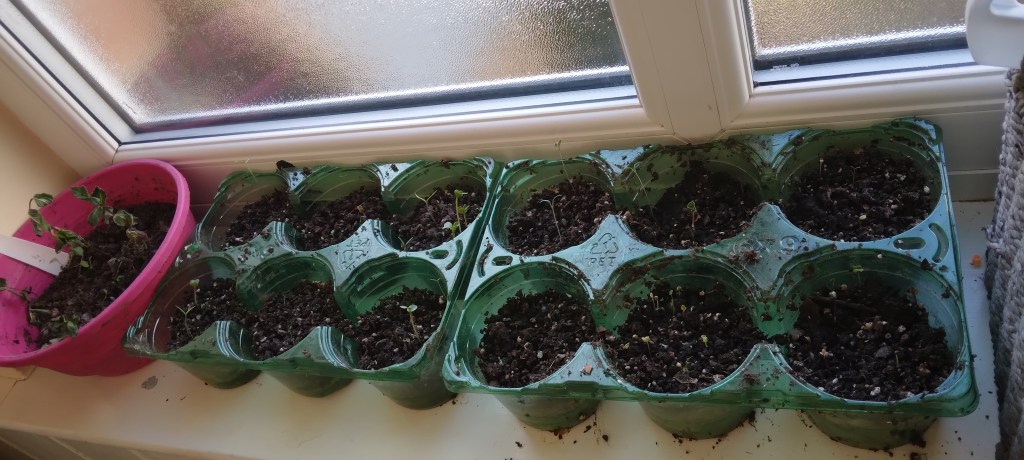
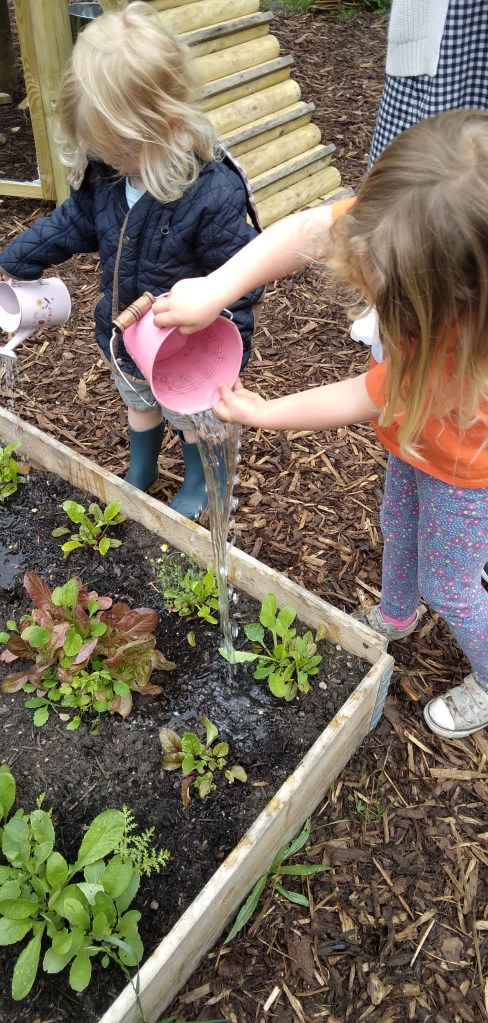
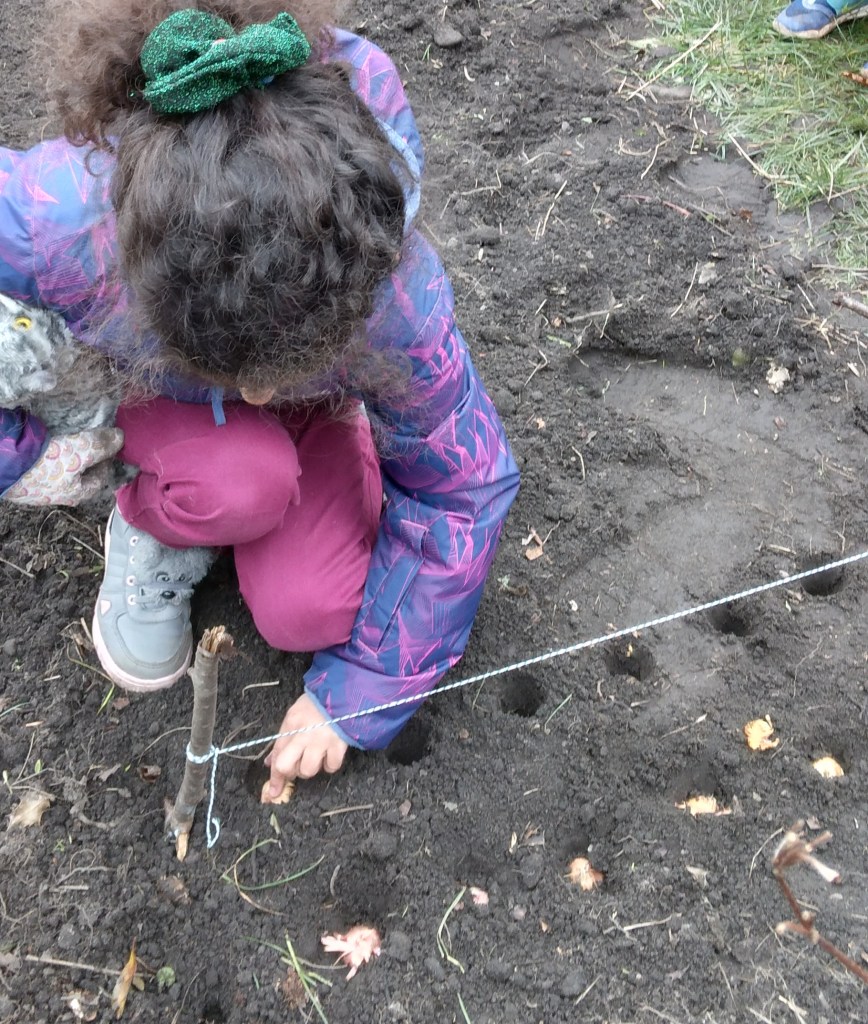
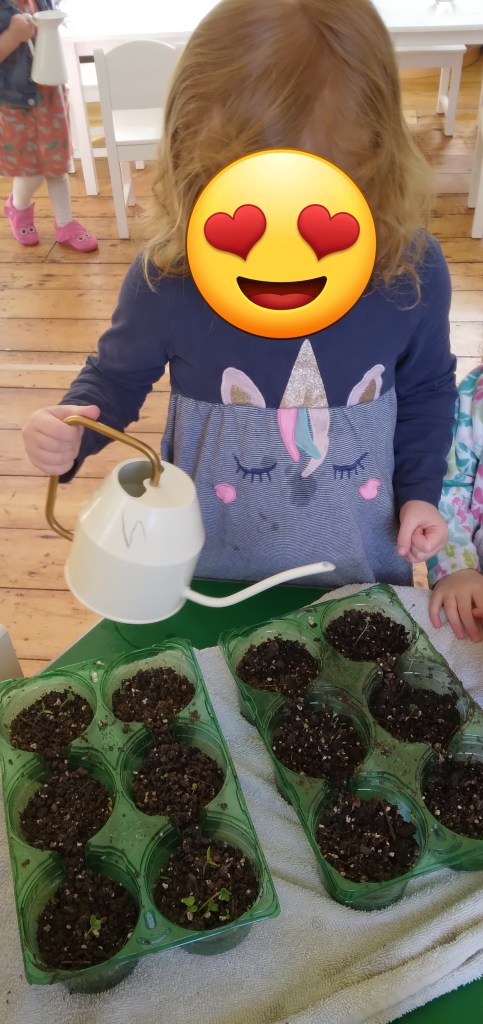
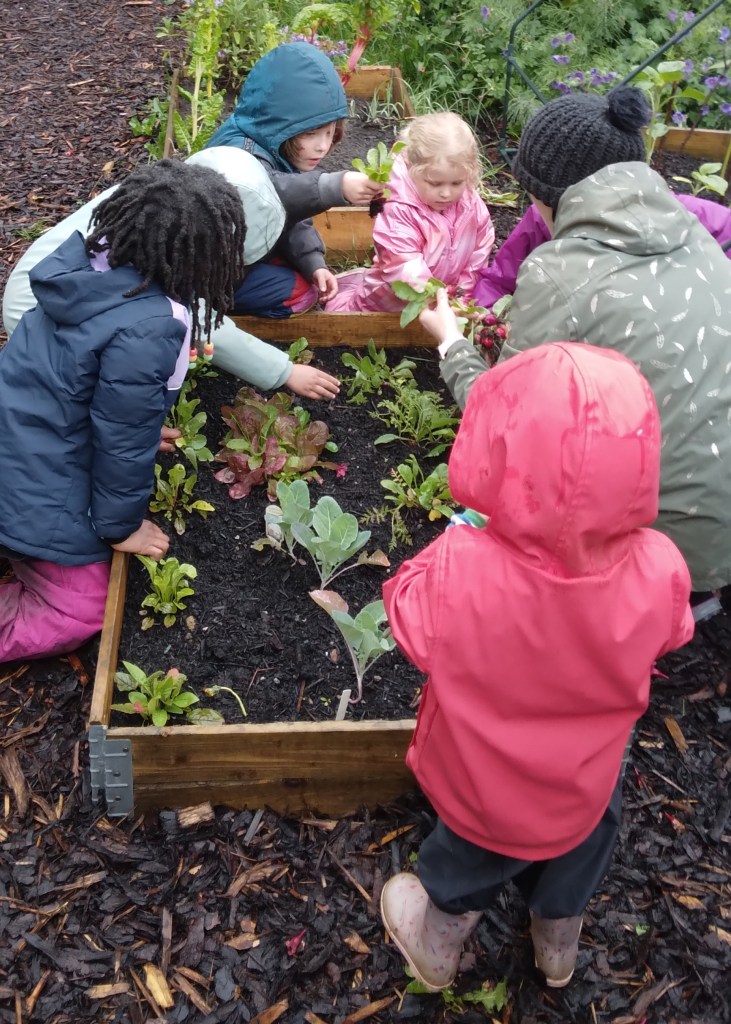
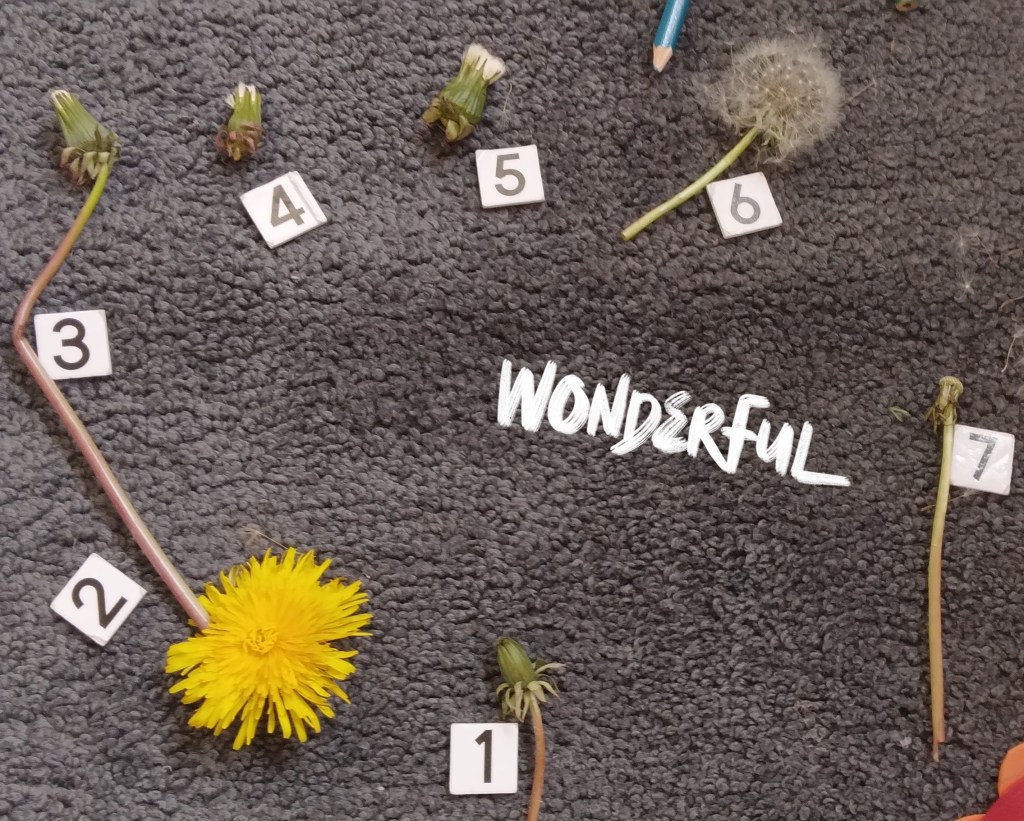
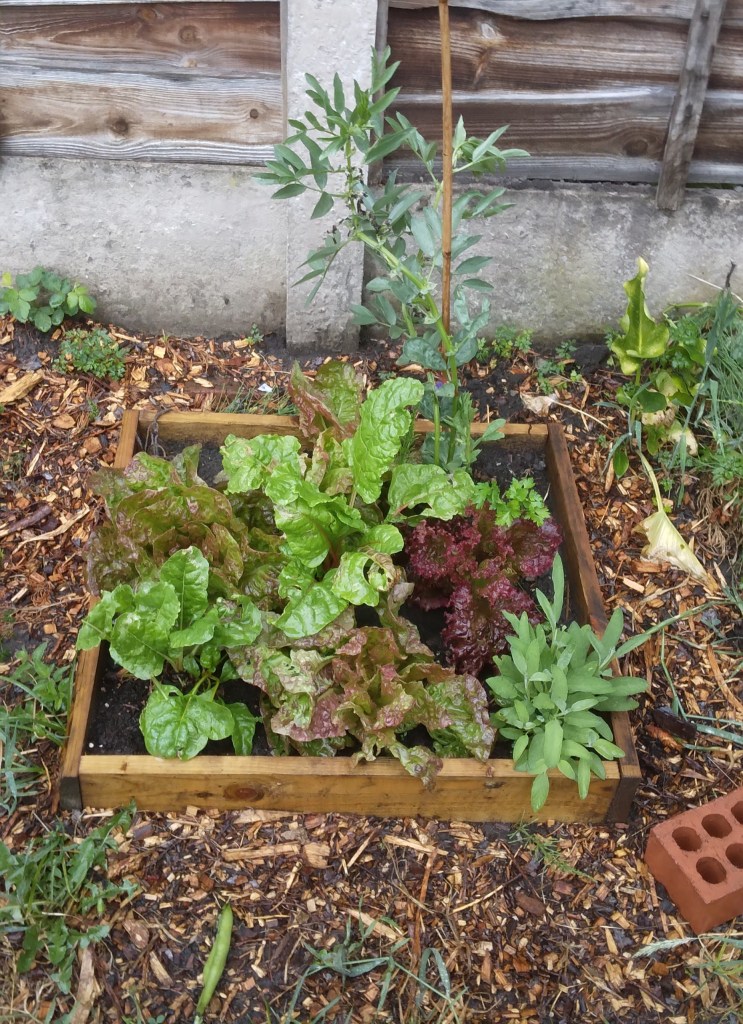
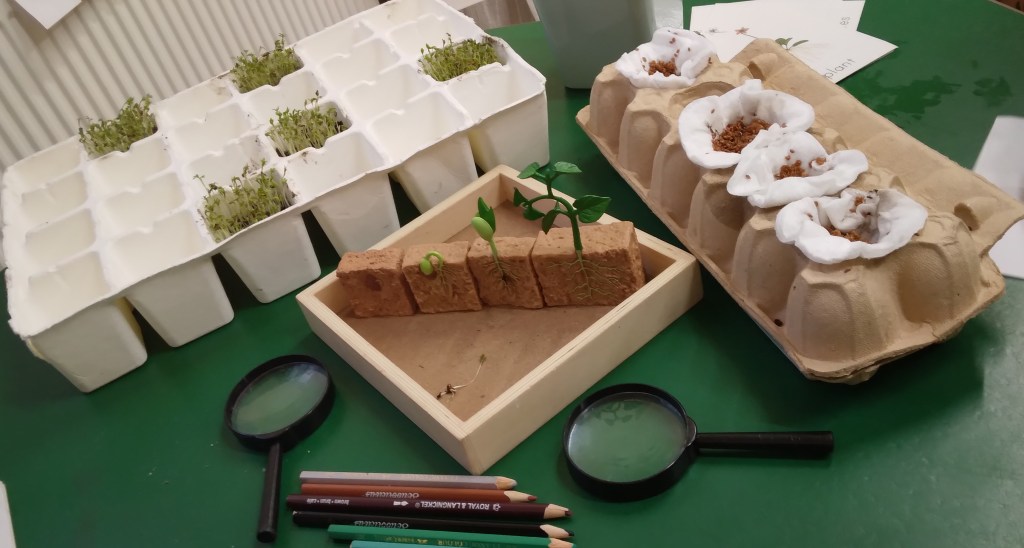
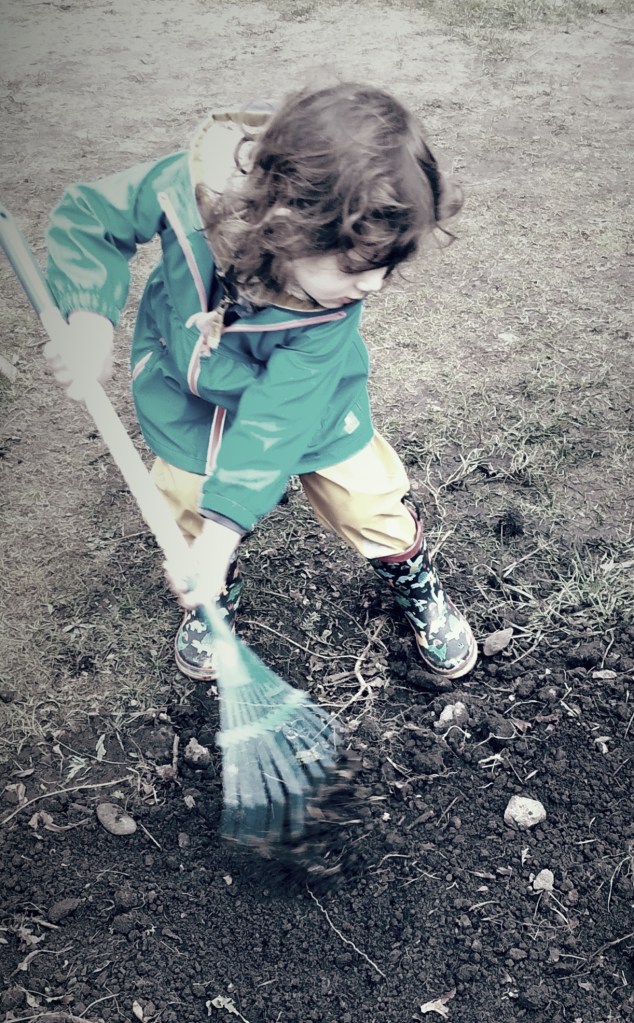
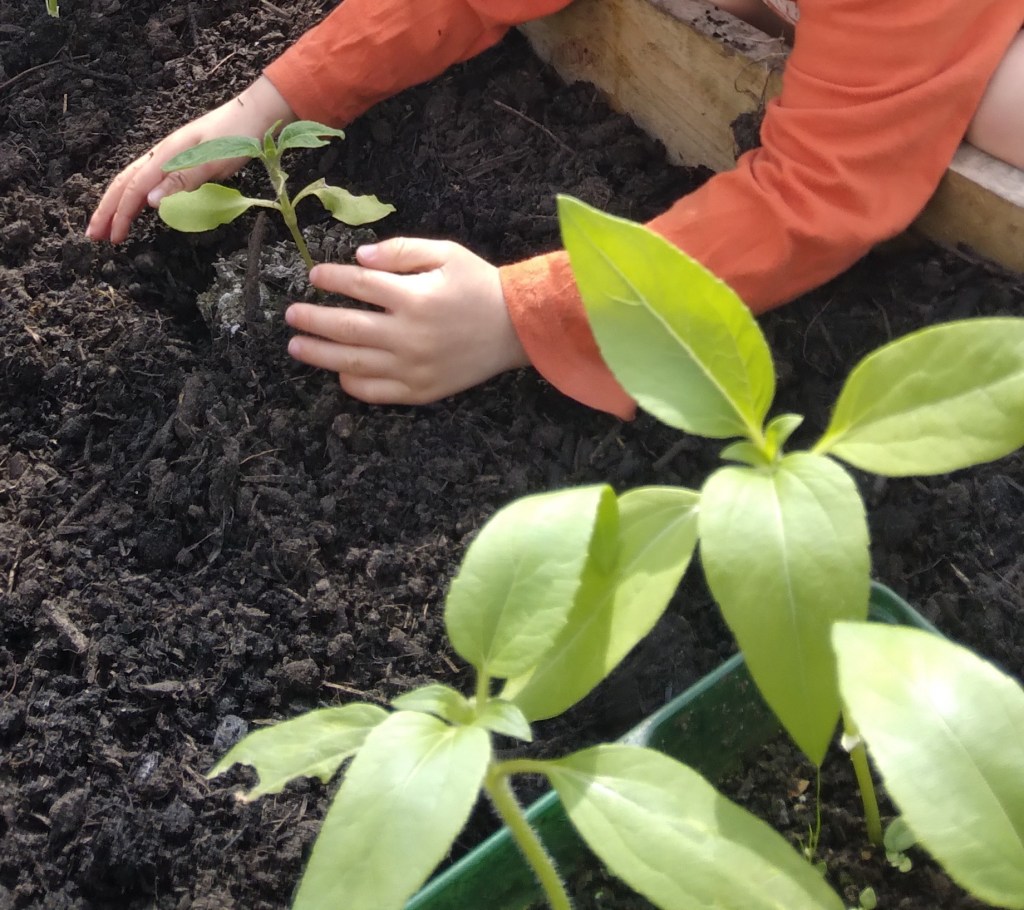
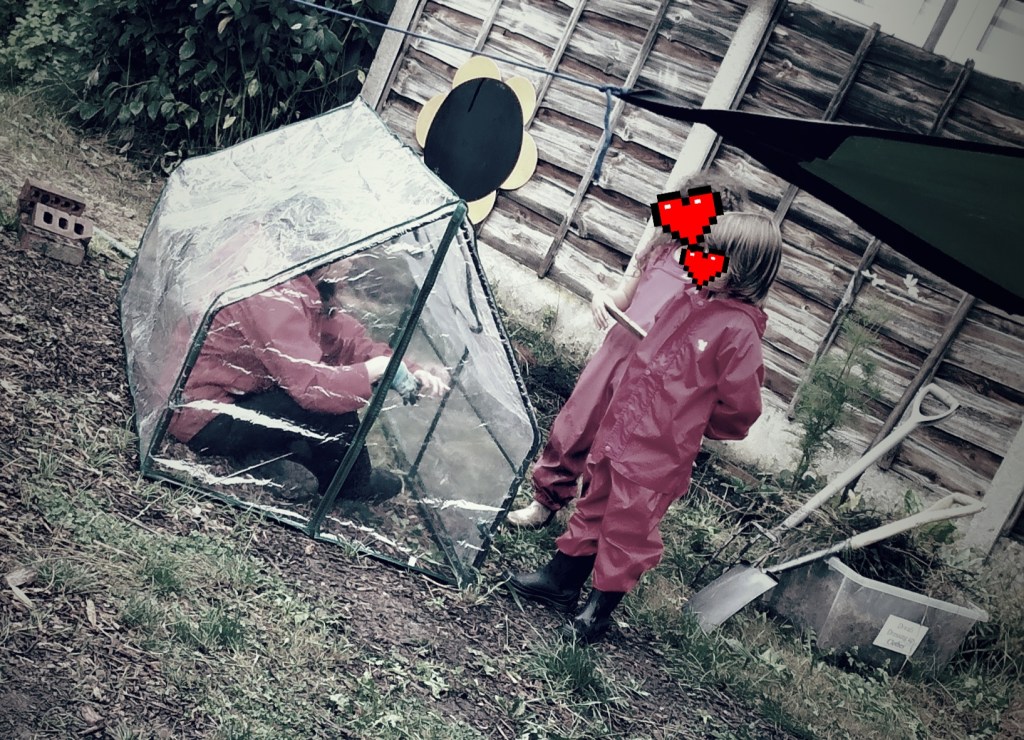
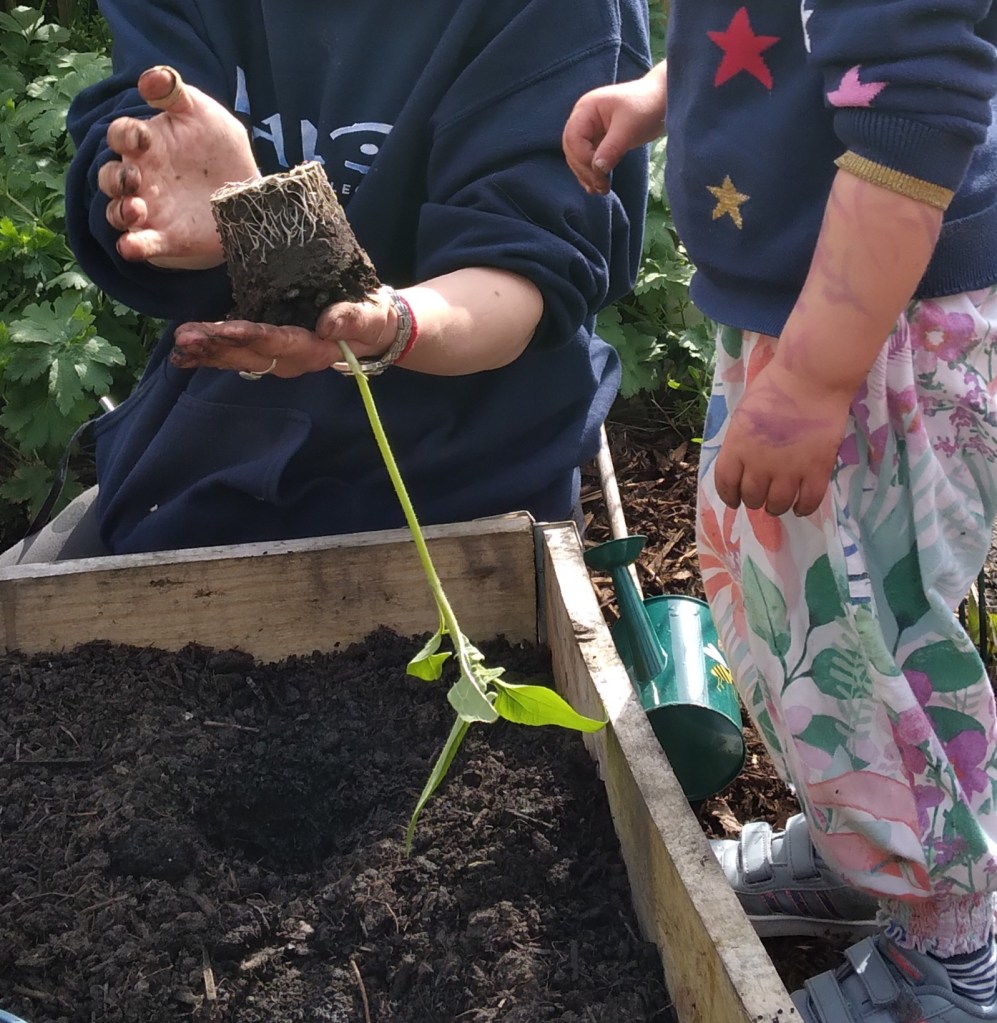
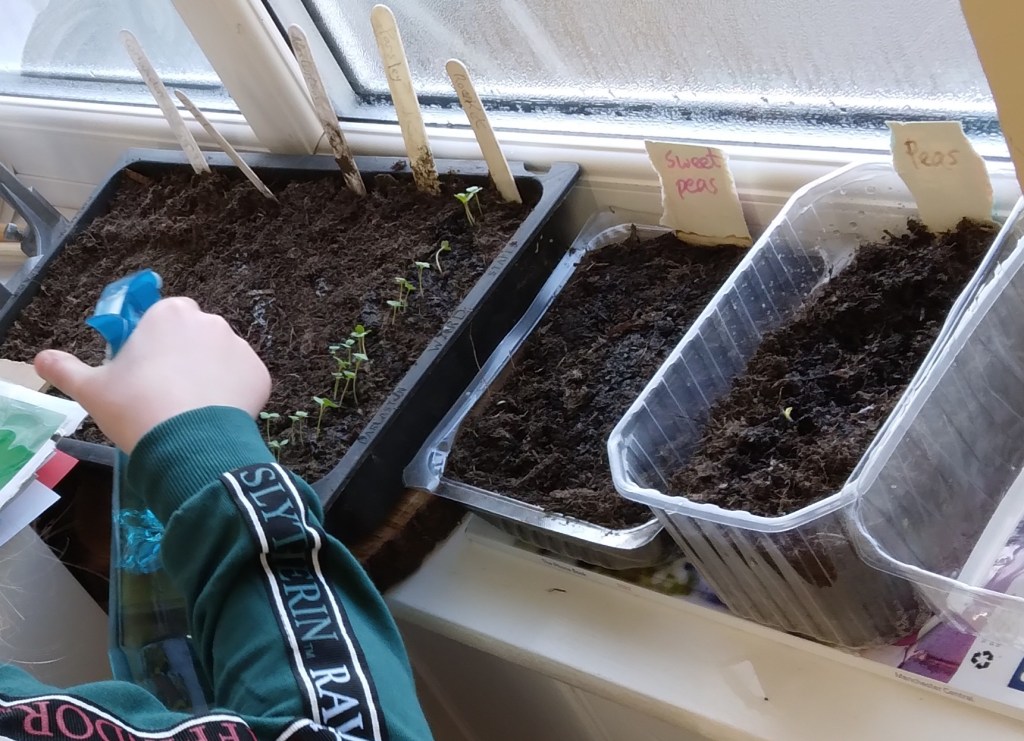
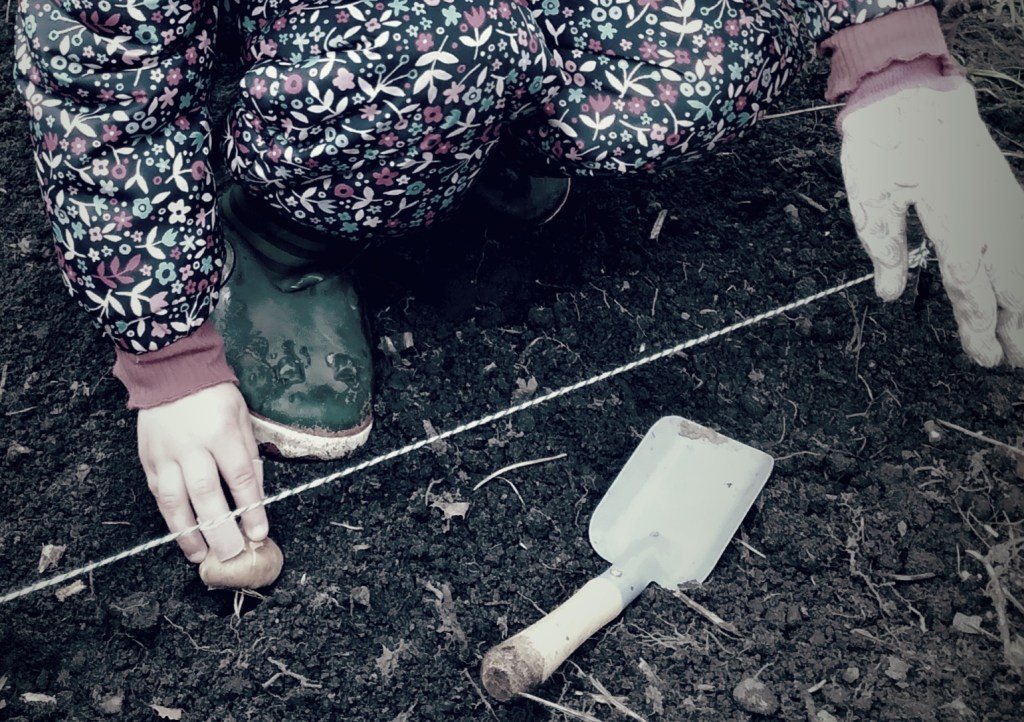
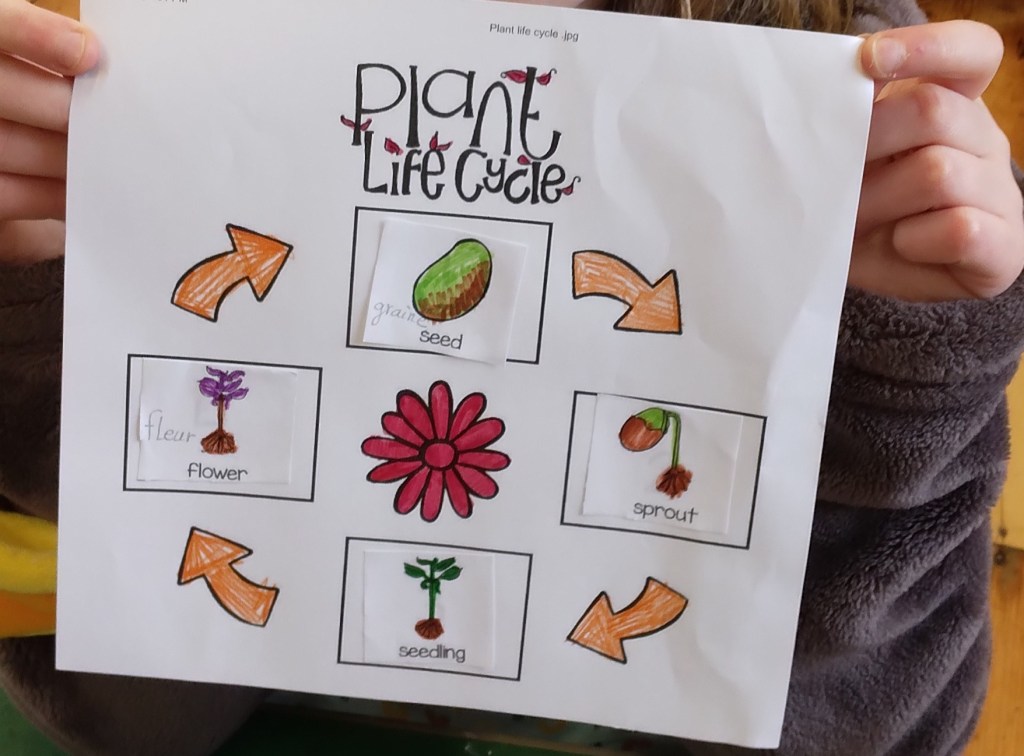
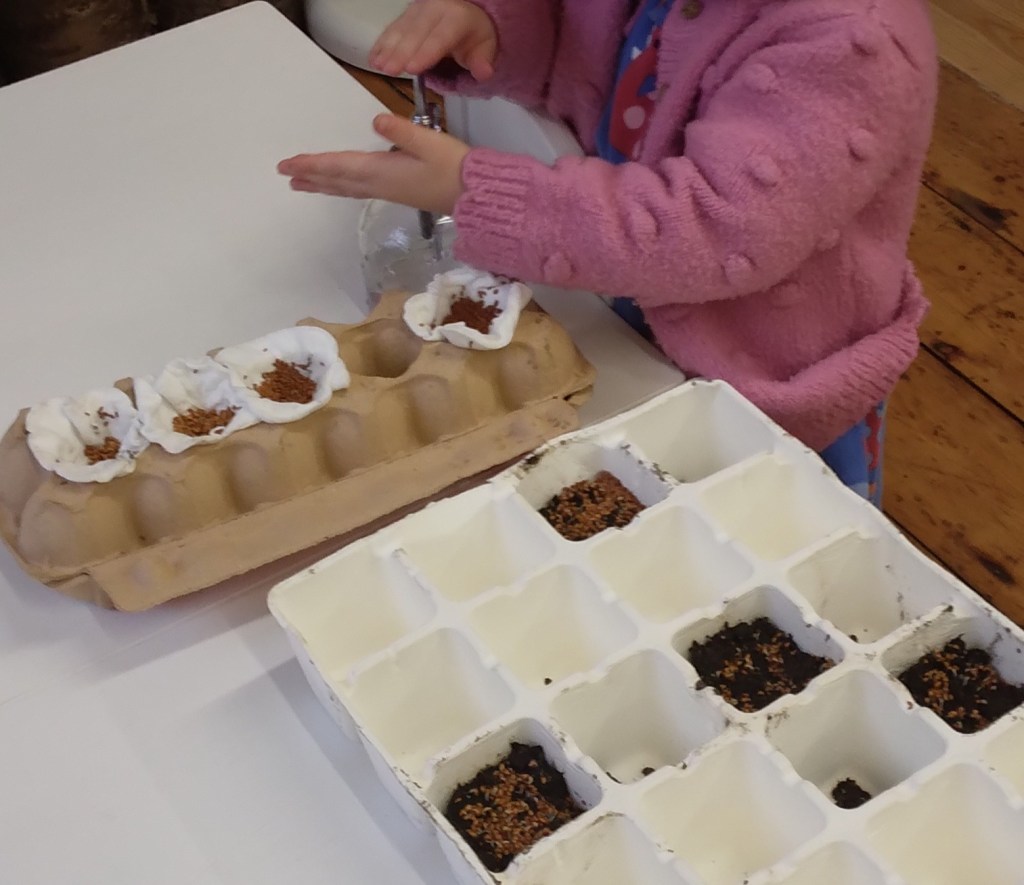
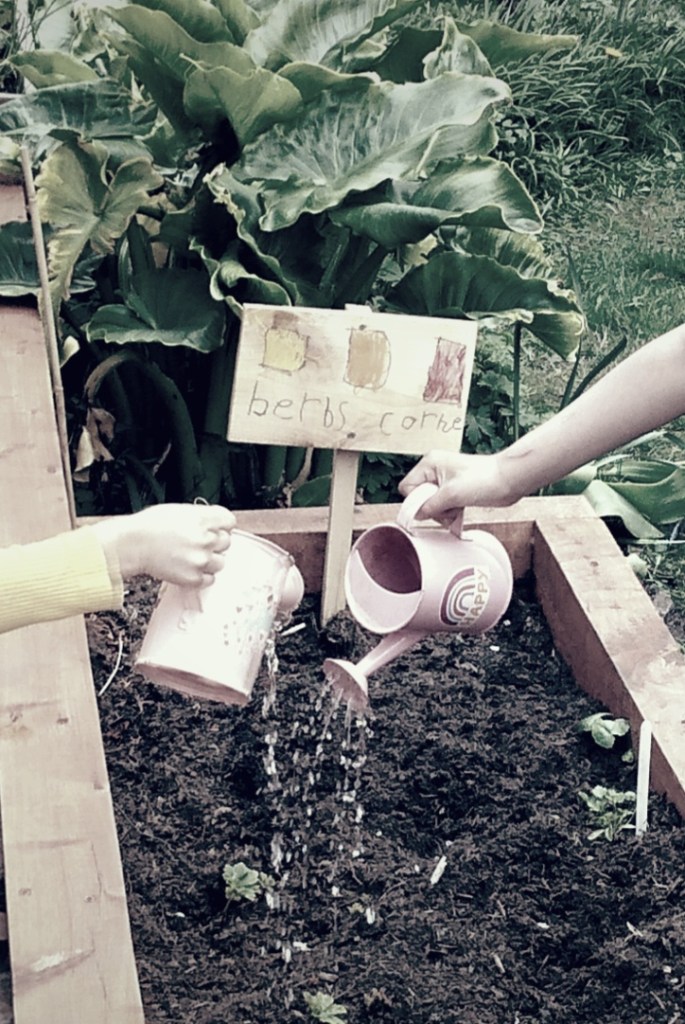
We at MMH redesigned our garden area with the input of the children. Providing space for plants (our nature and wildlife area, to that a pond and bug hotel which the children have designed and made. Observing on daily basis with great interest. We have made 4 planters to grow flowers, herbs and fresh vegetables and care for daily.
We have designed the garden as a tree looking from a bird’s view, branches leading out to all areas.
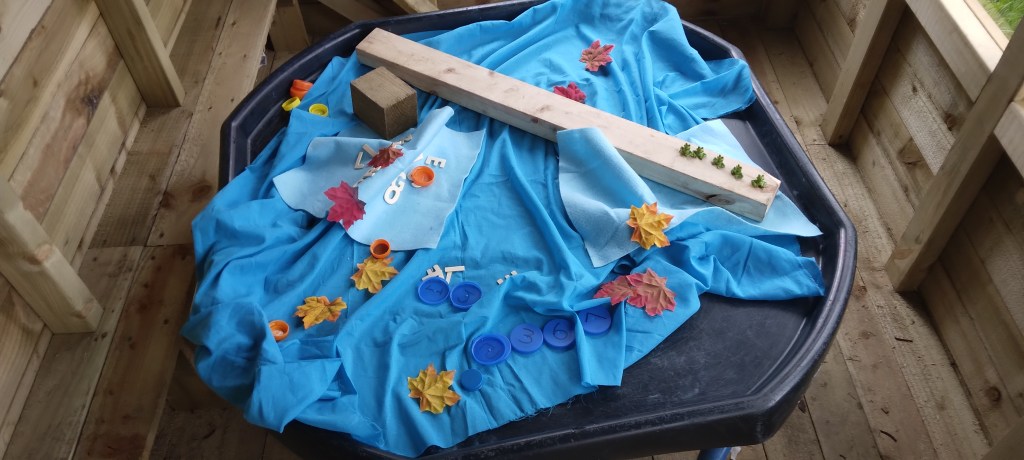
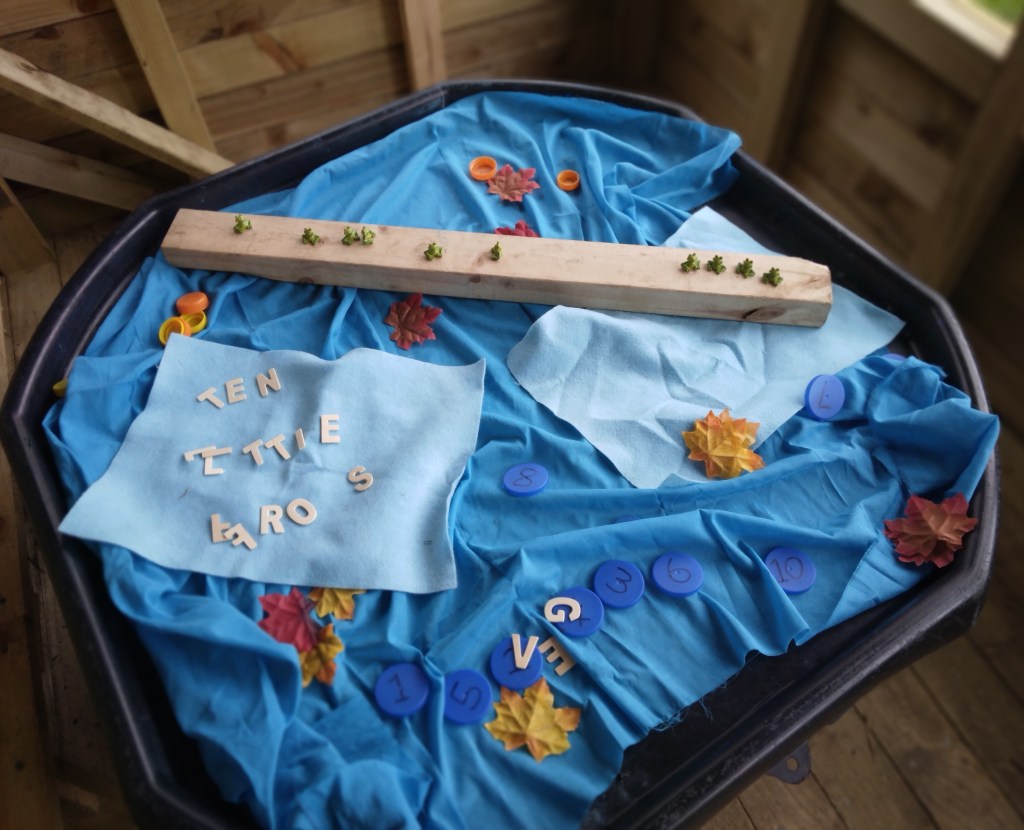
Not forgetting our outdoor classroom, filled with various small world and natural objects and weekly topic related activities on tuff tray.
We have a bird box too, which is in the garden, nearby children make bird feeders frequently.
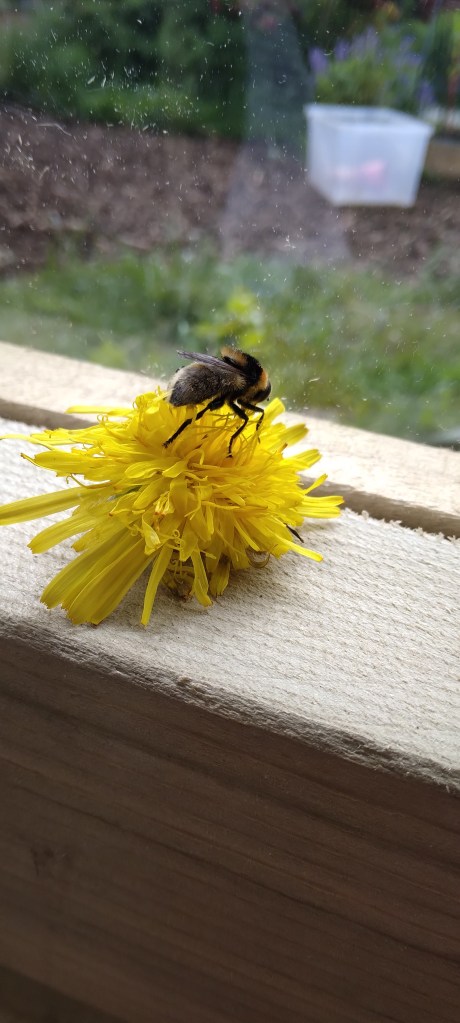
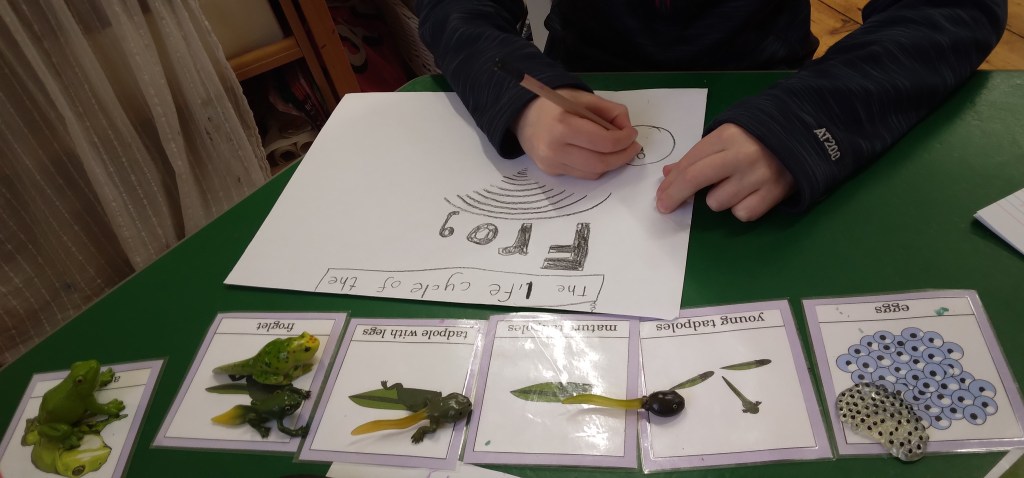
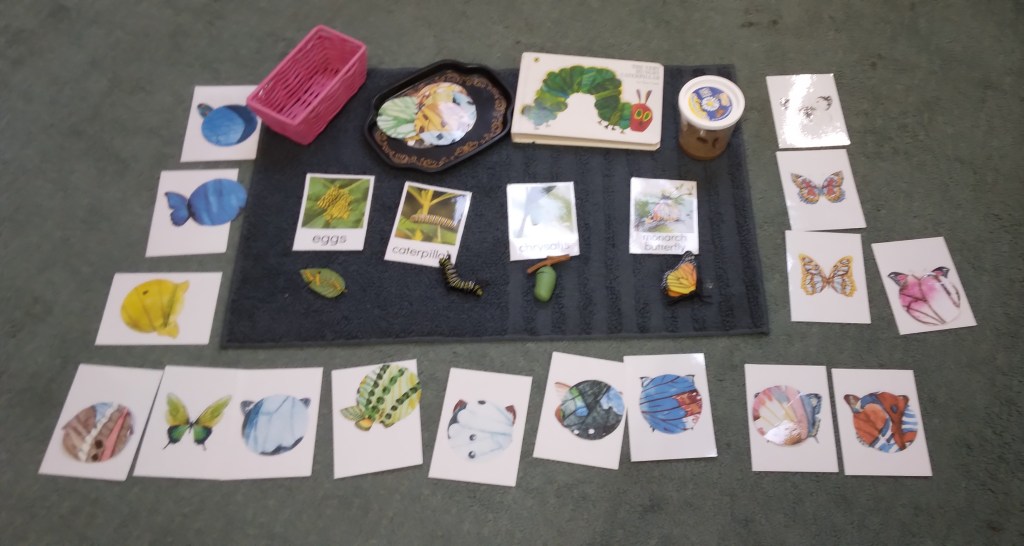
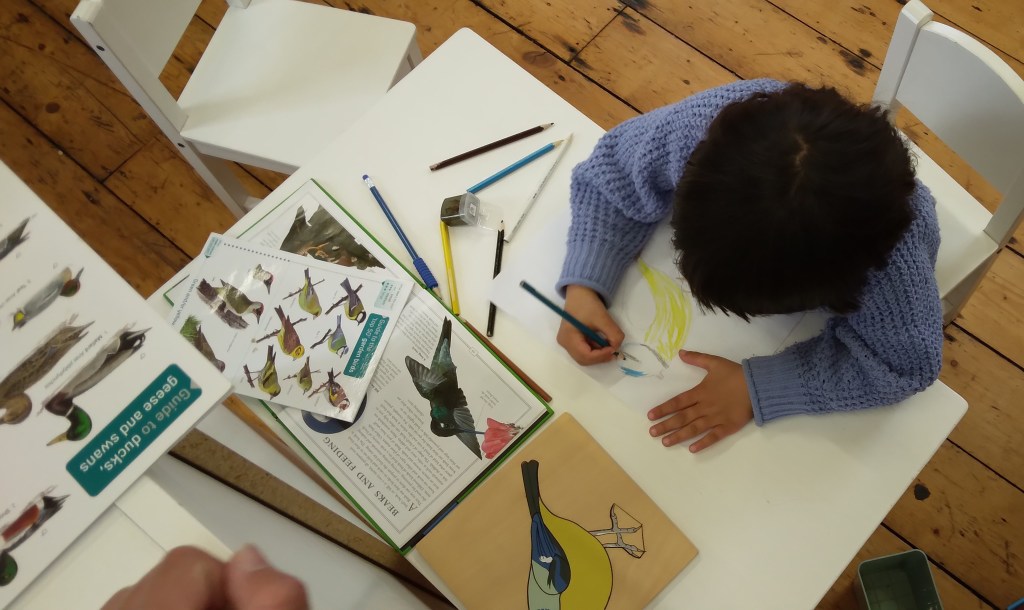
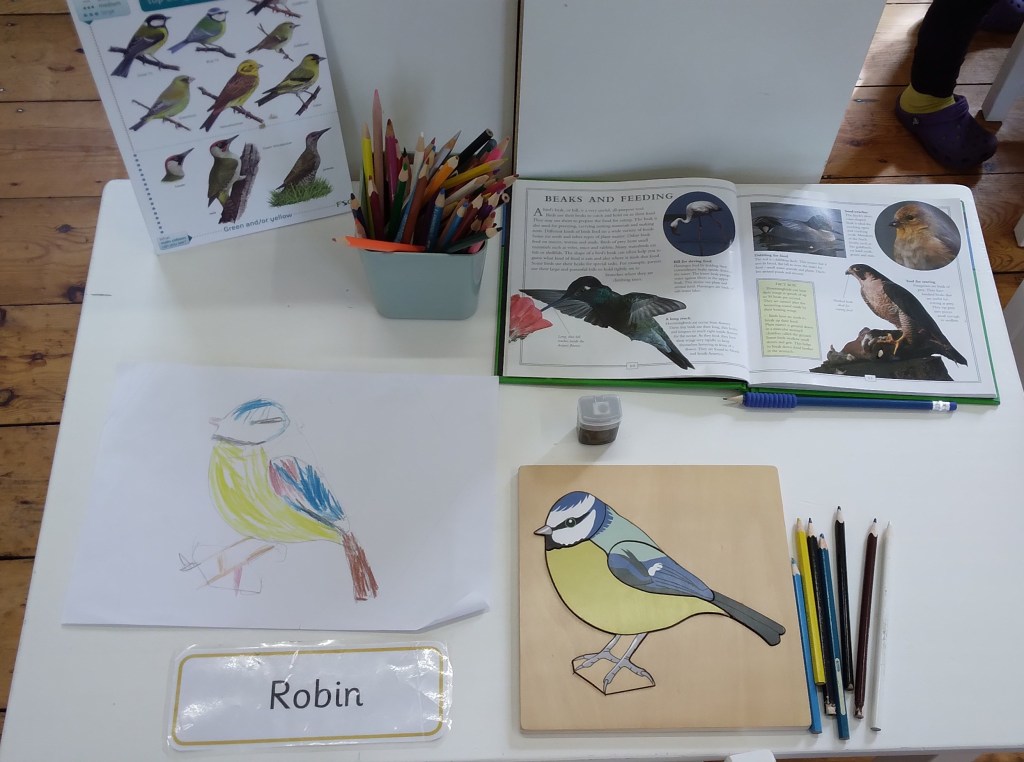
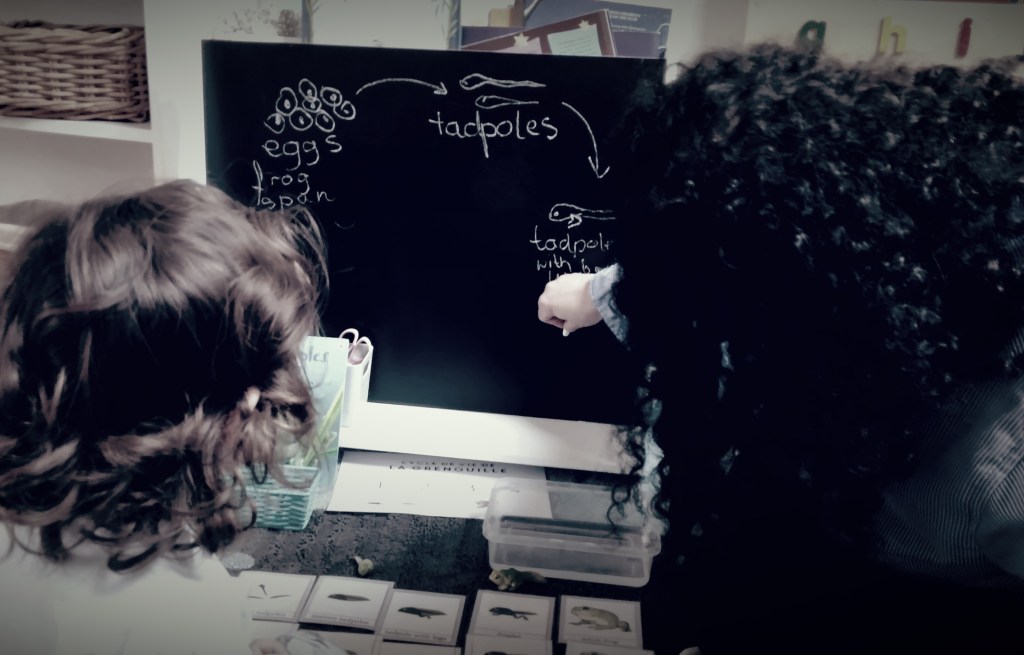
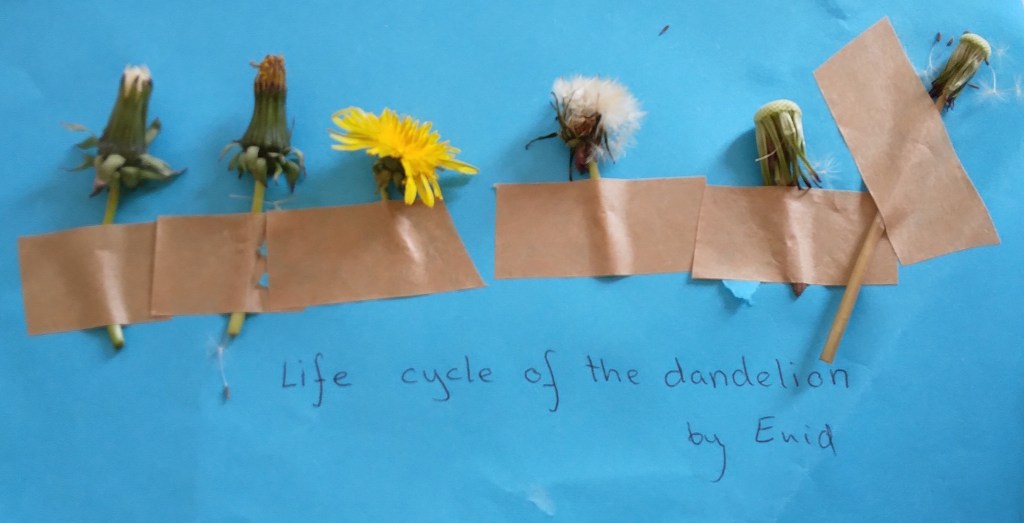
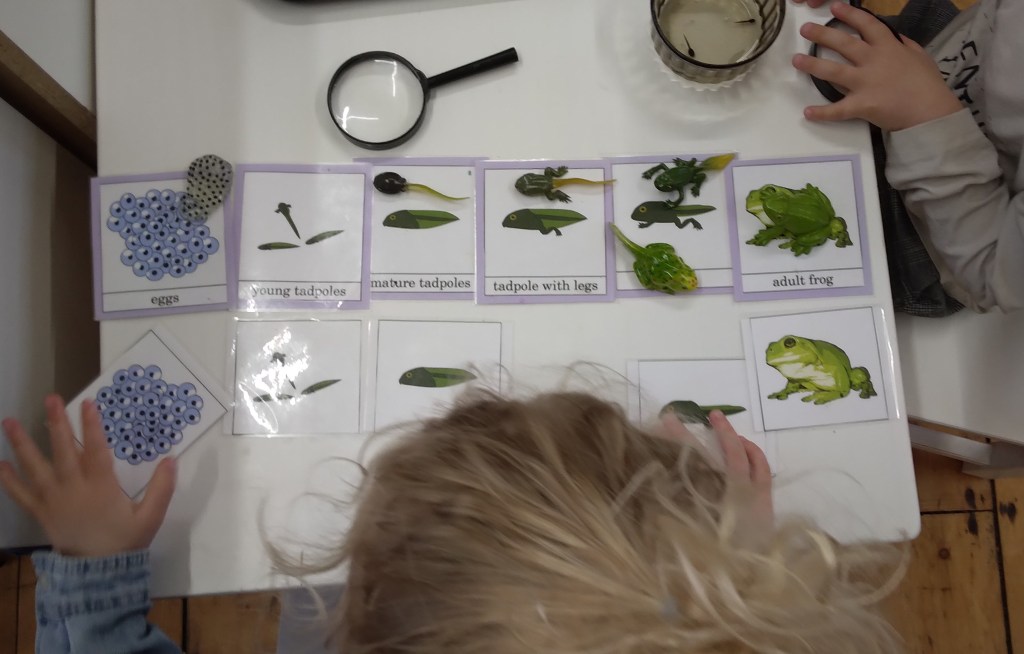
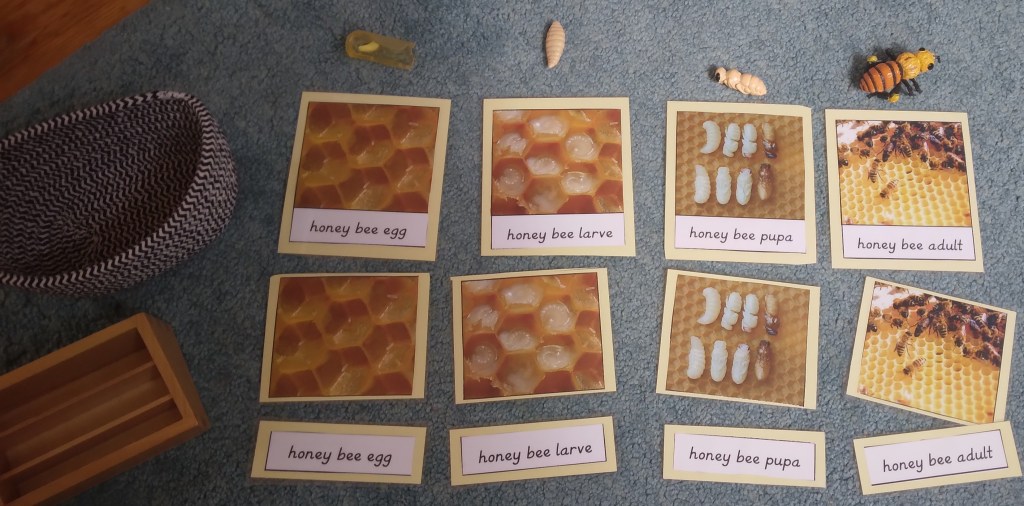
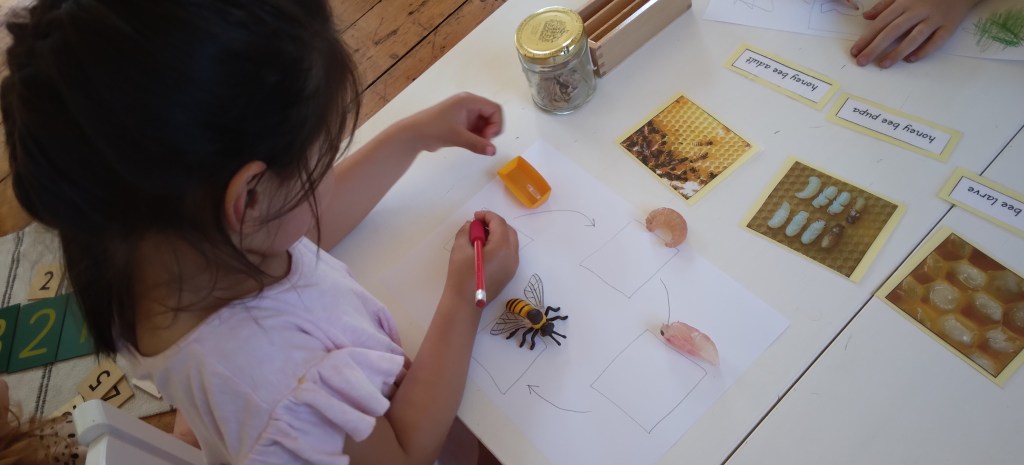
Biodiversity: insects: Bees, plants: butterflies, animal life cycles
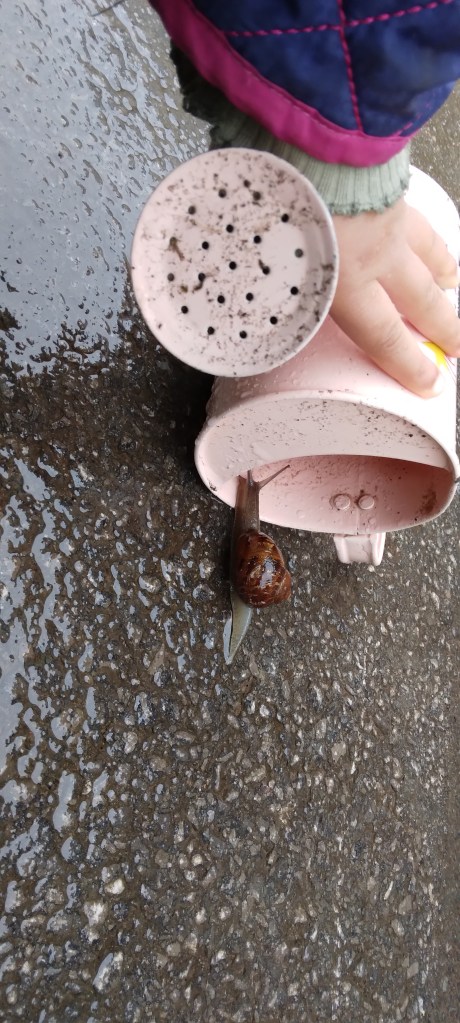
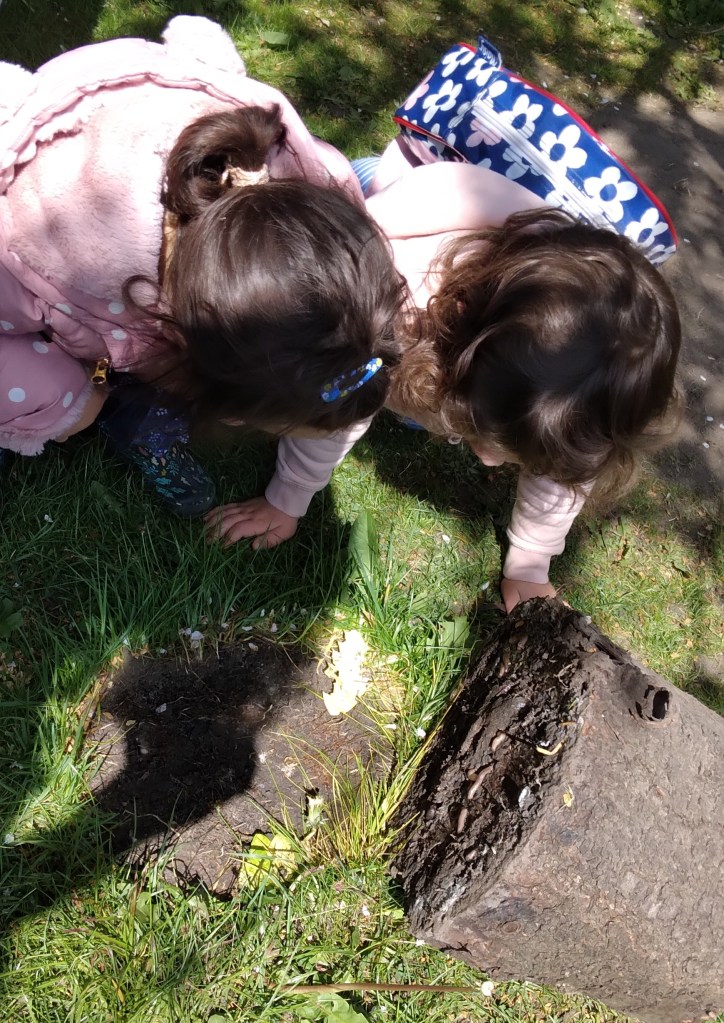
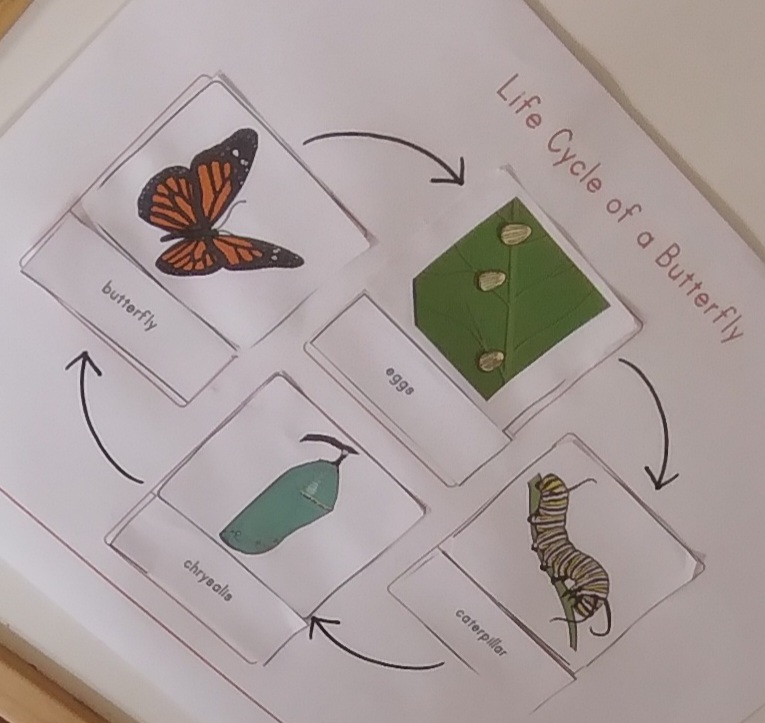
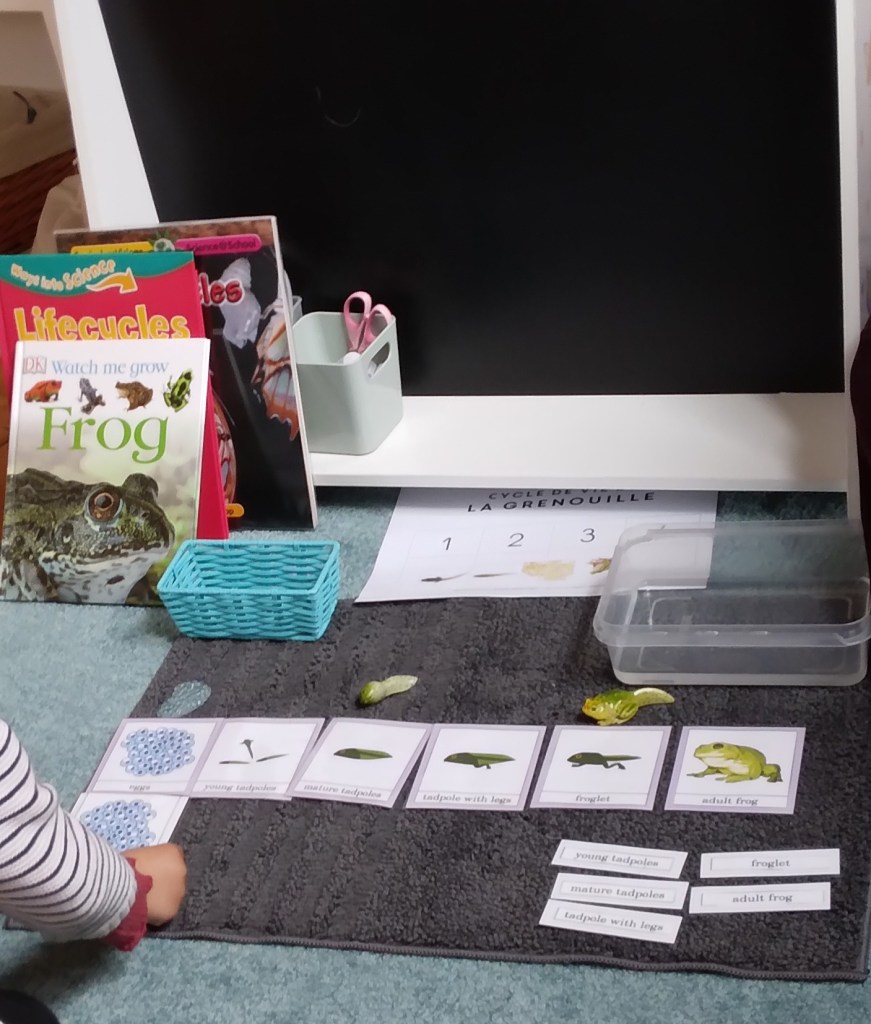
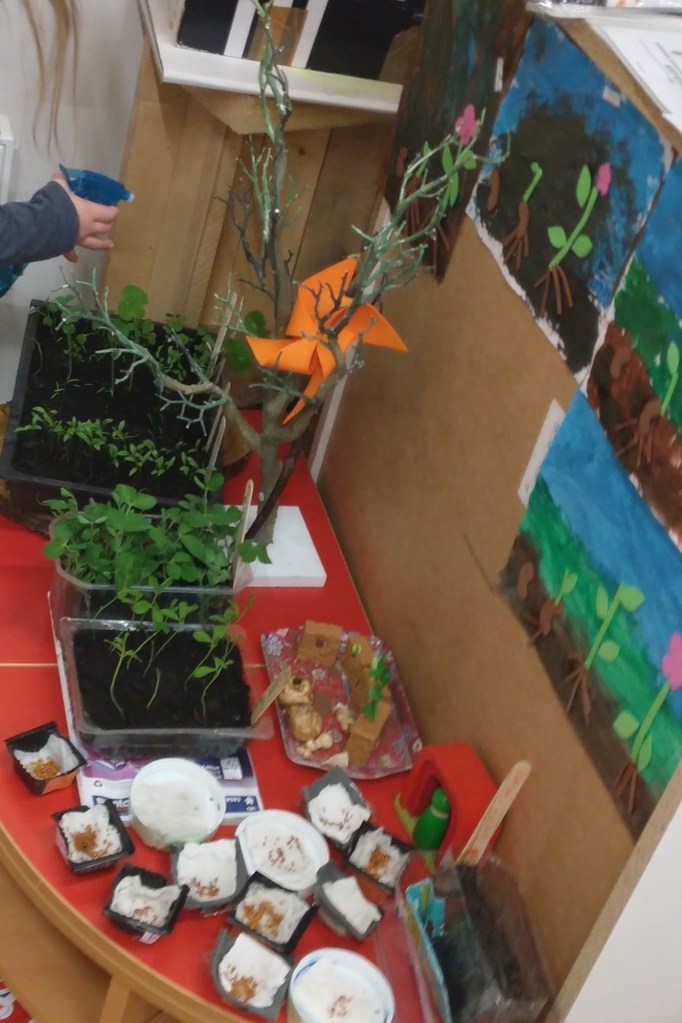
The children have enjoyed learning about this topic, as we have observed hands on cycle of caterpillars and tadpoles. The children were very proud of releasing the butterflies and tadpoles into our outdoor garden.
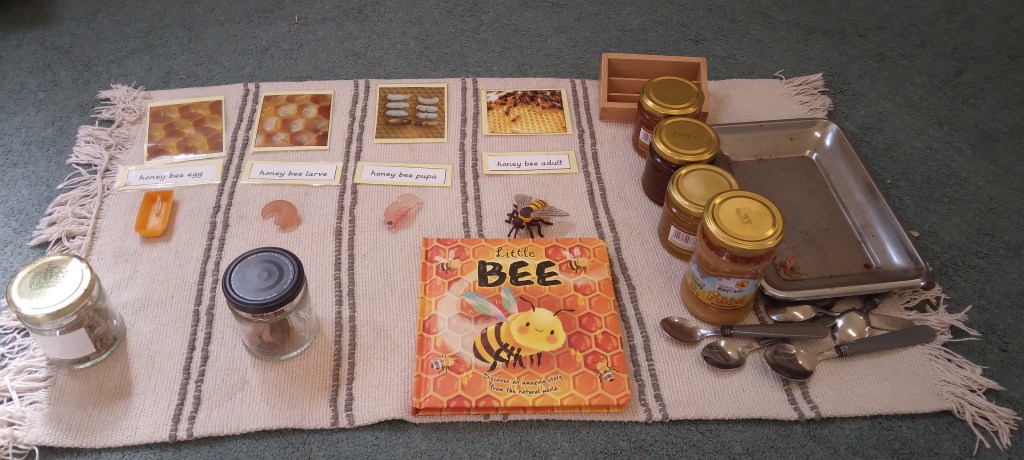
We looked at the life cycle of the bee and did honey tasting with many various types of honey.
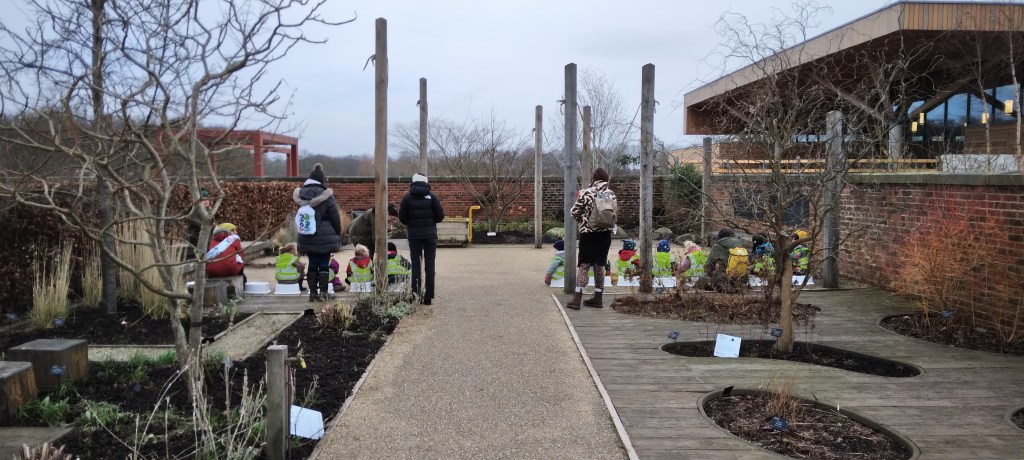
MMH organised trip to the Bridgewater Garden in Worsley, where the children participated w/a nature hunt and learnt about the importance of plants growing in our environment. They experienced birdwatching.
Water: Why is it important? Where does it come from? Water cycle, Valuing and preserving this natural resource, Oceans and animals that live there, Protecting & conserving water-based ecosystems
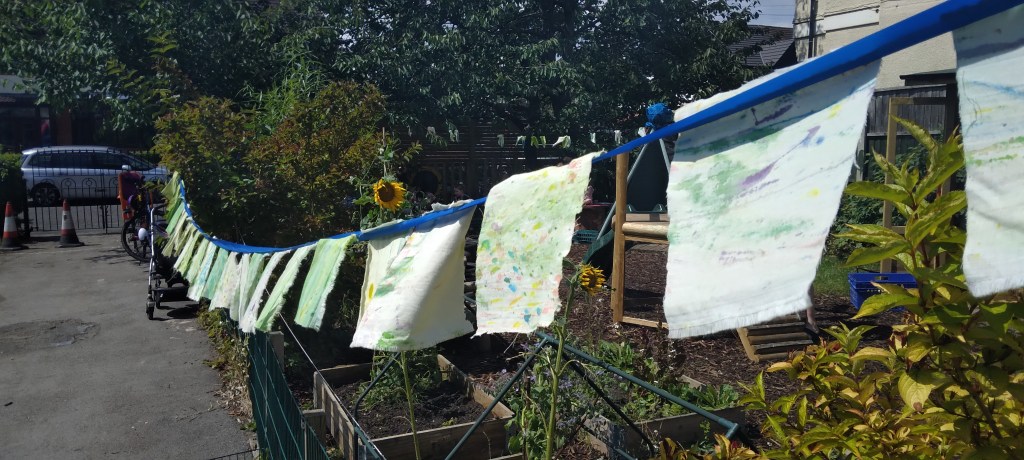
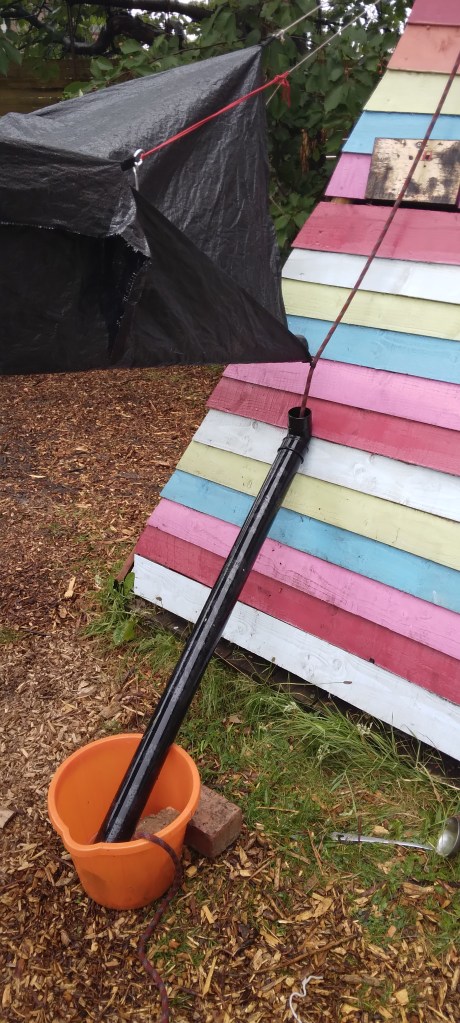
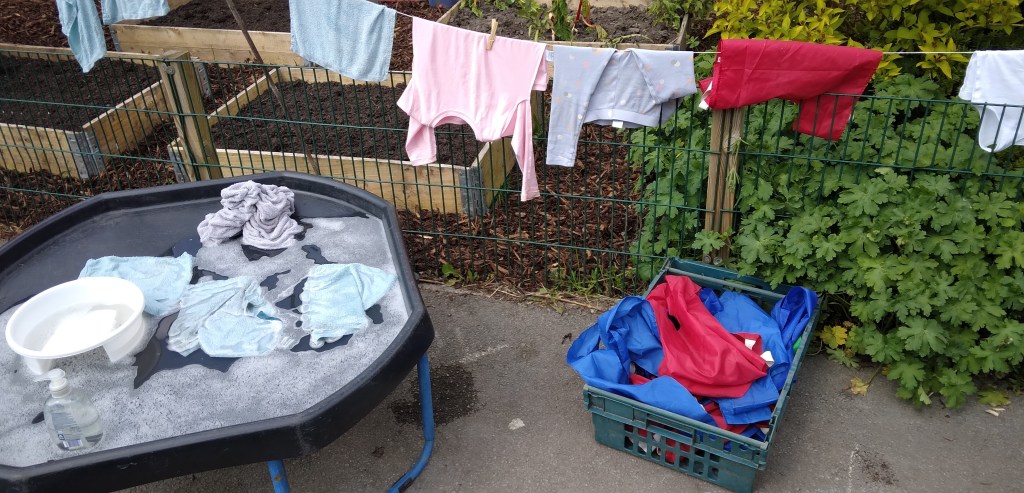
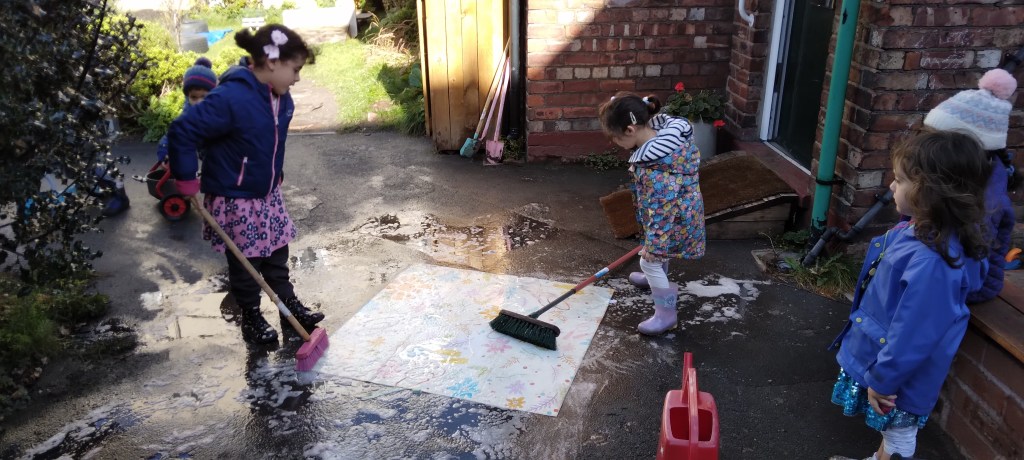
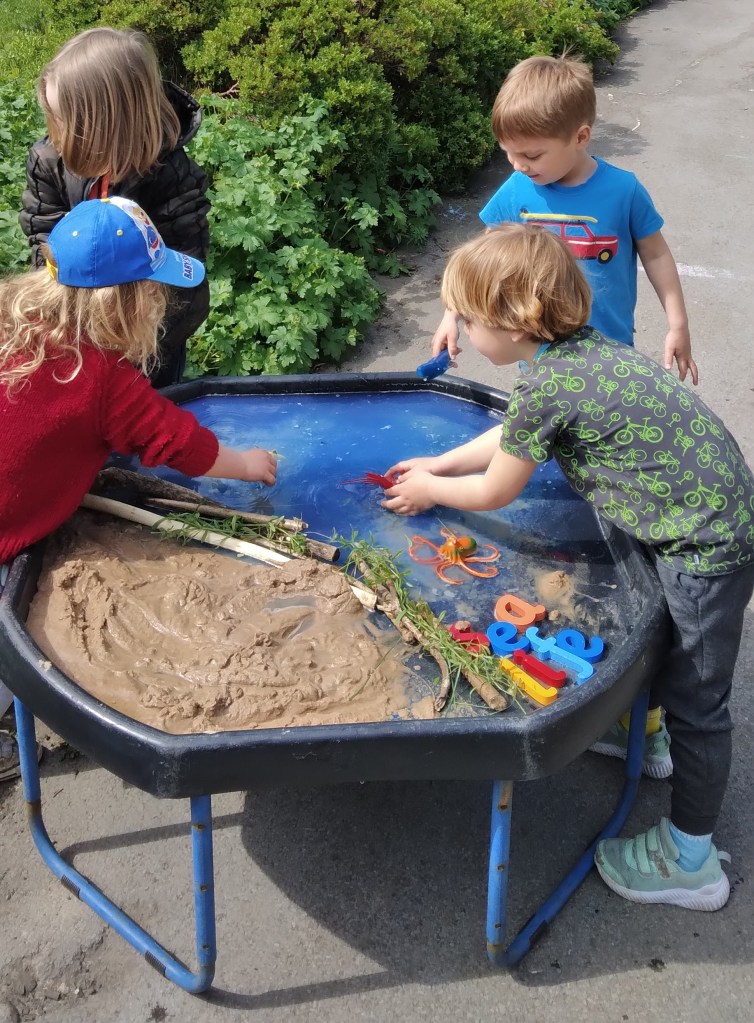
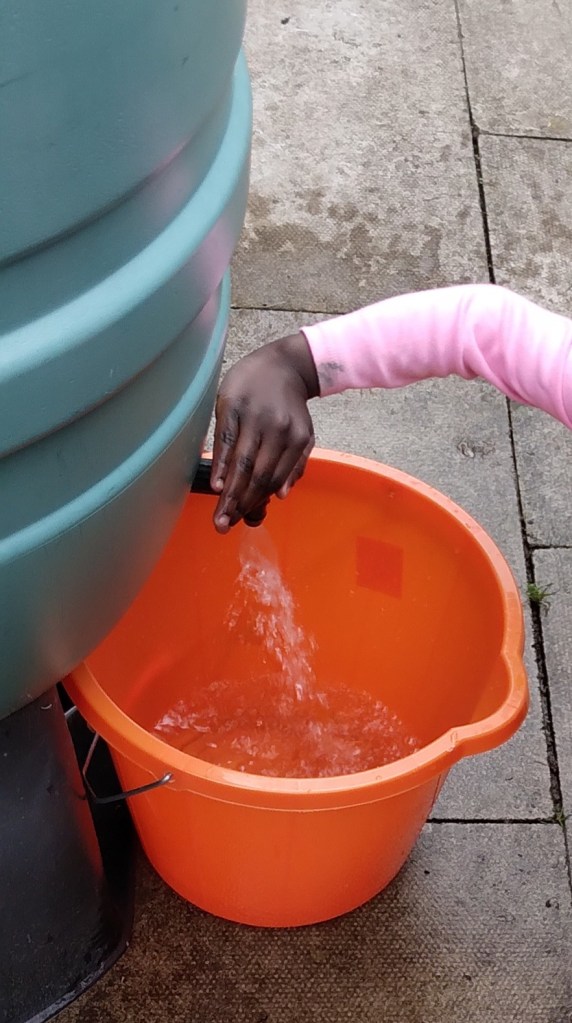
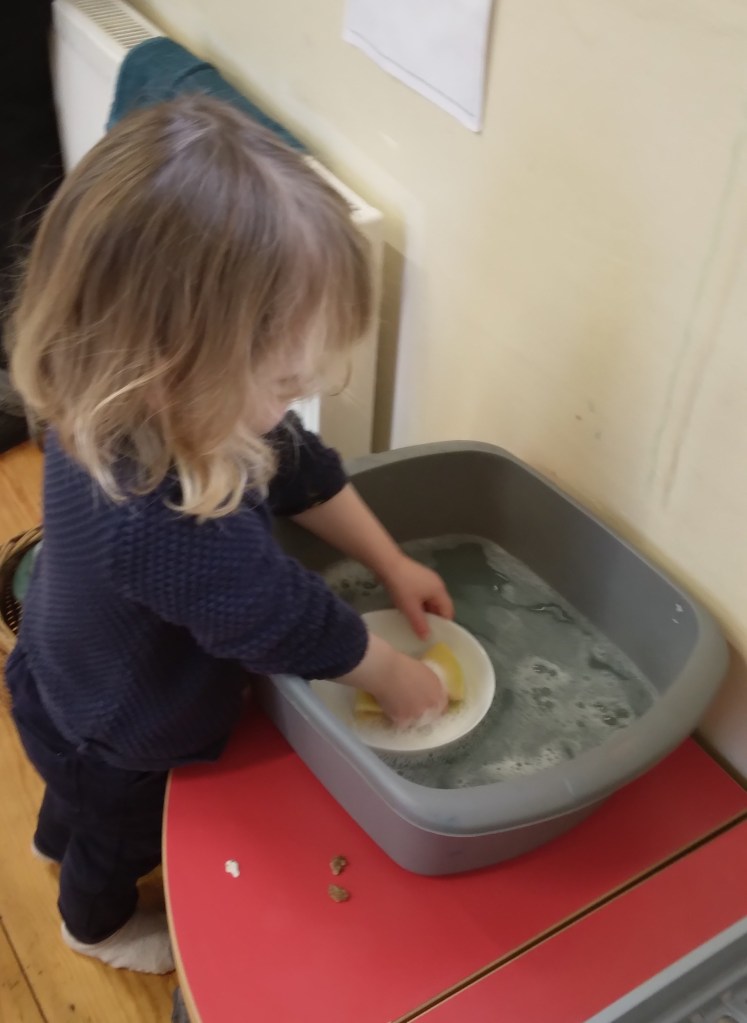
One of the topics that we’ve covered, was about the water. We talk about the importance of water: where it comes from and about water cycle. Children have enjoyed experiments with water both indoors and outdoors. They learn the differences between dirty and clean water and how to filter it, but also how to reuse water for washing up, practice to wash clothes outdoors and hung them on the washing line and how to store rainwater for gardening.
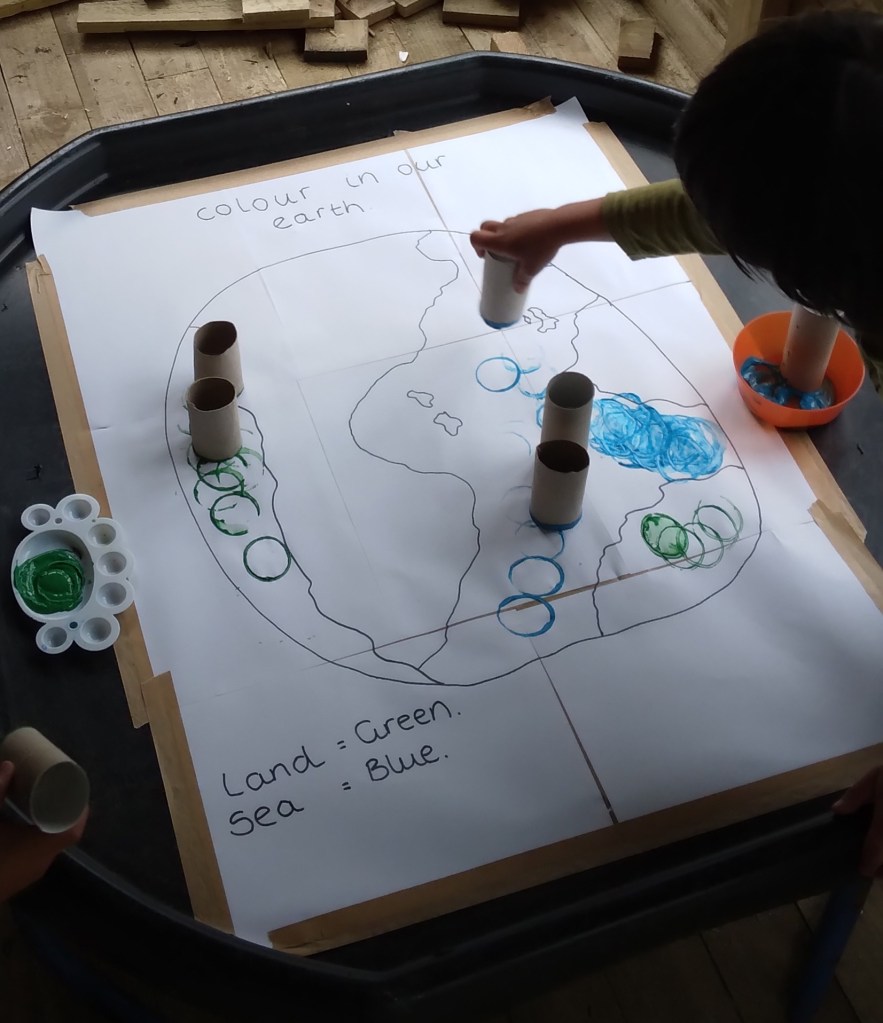
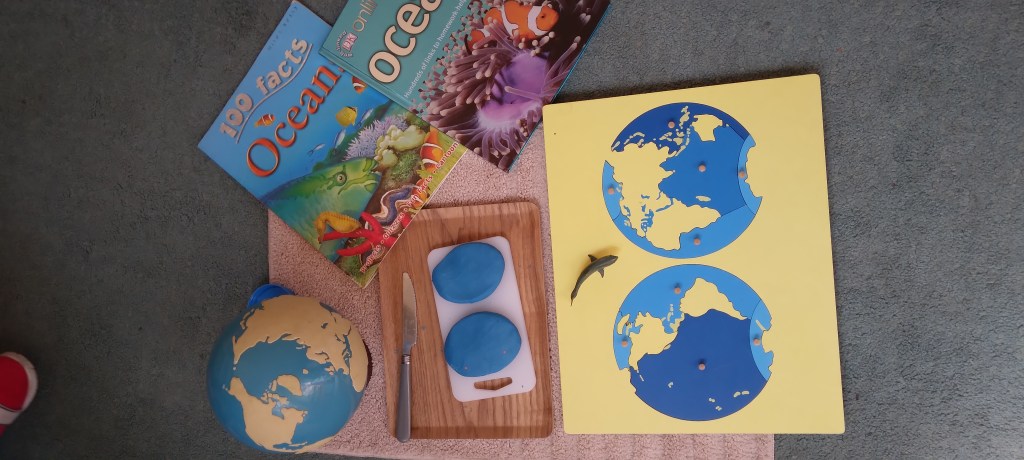
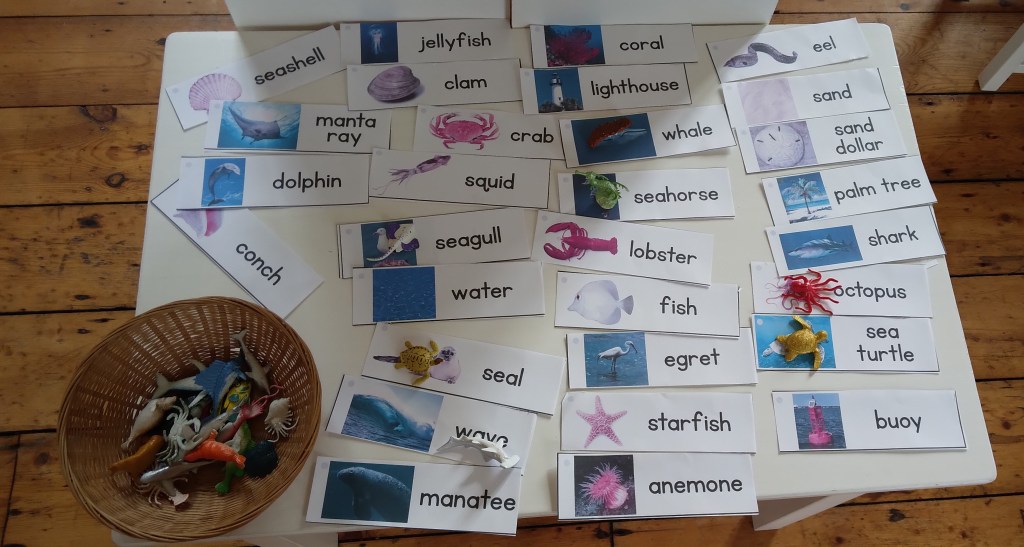
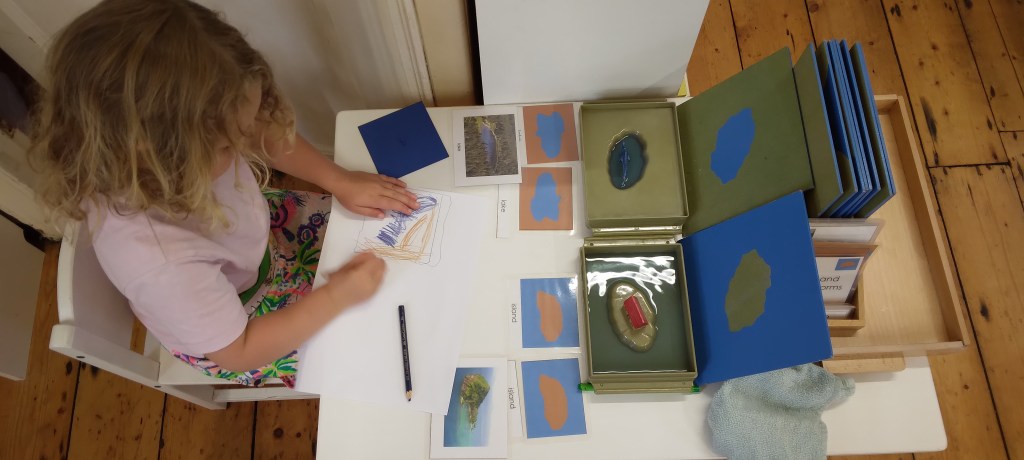
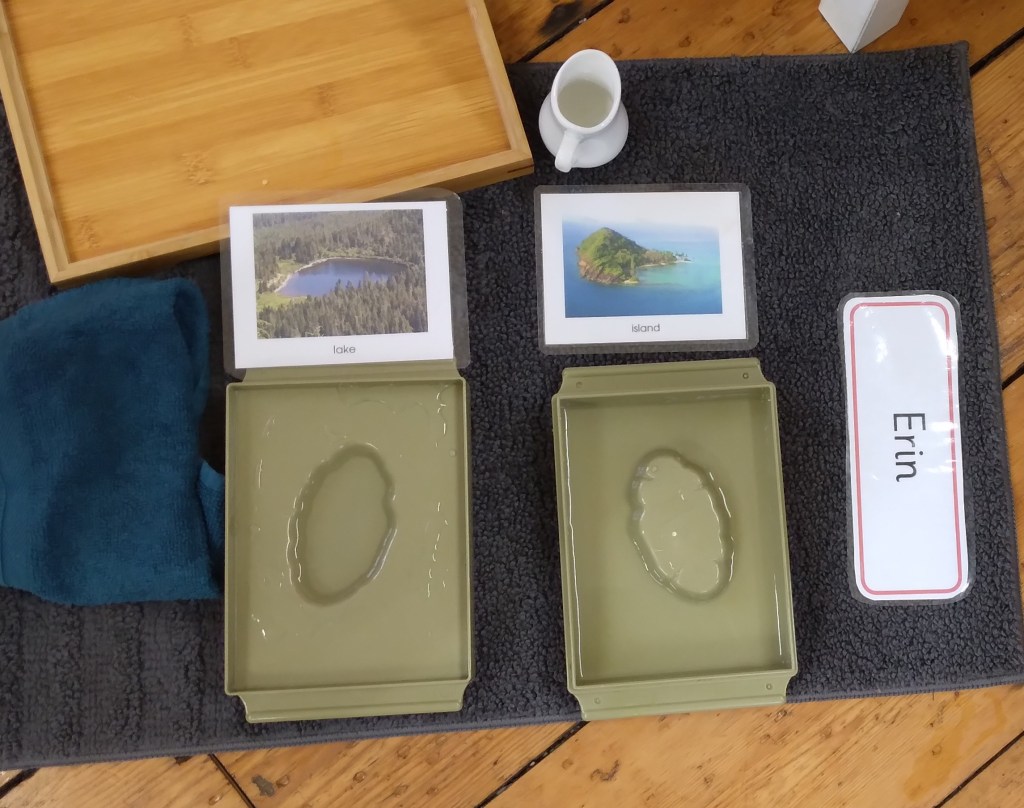
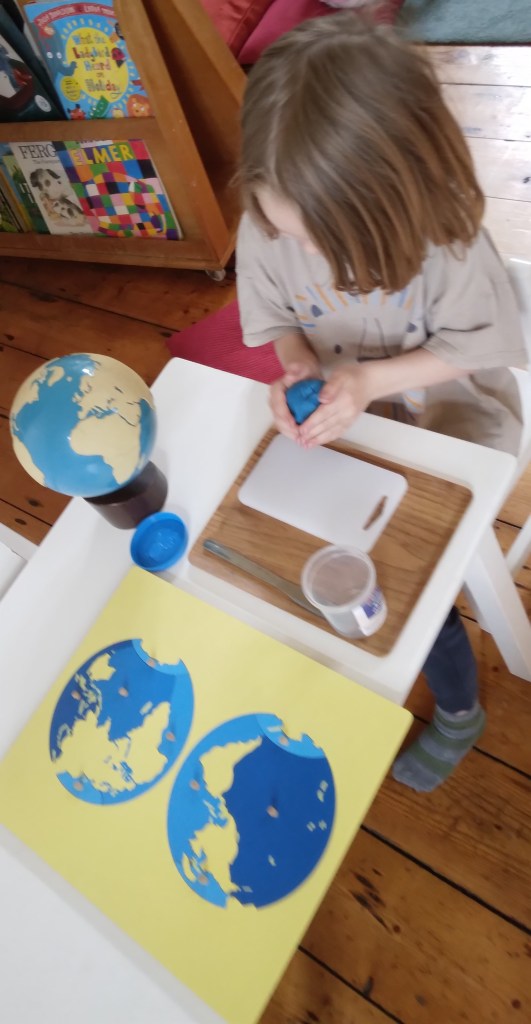
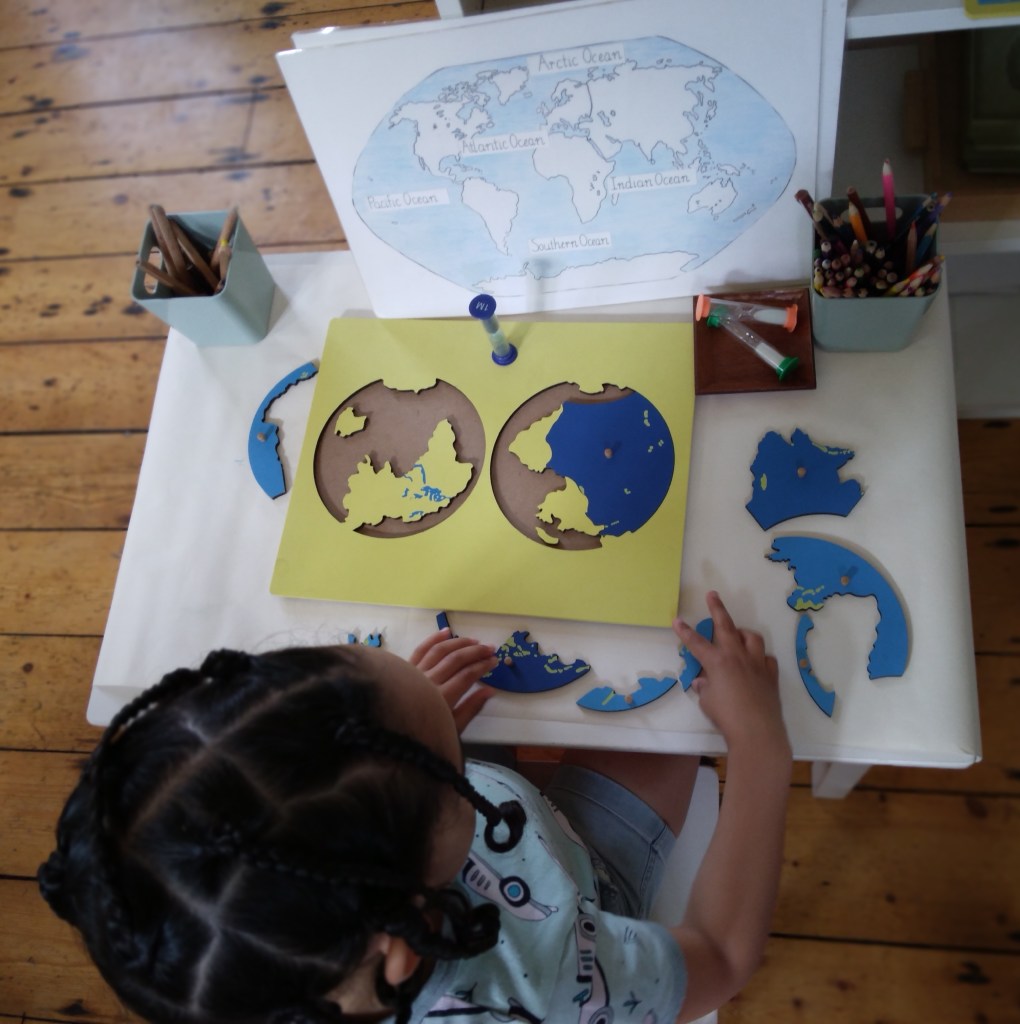
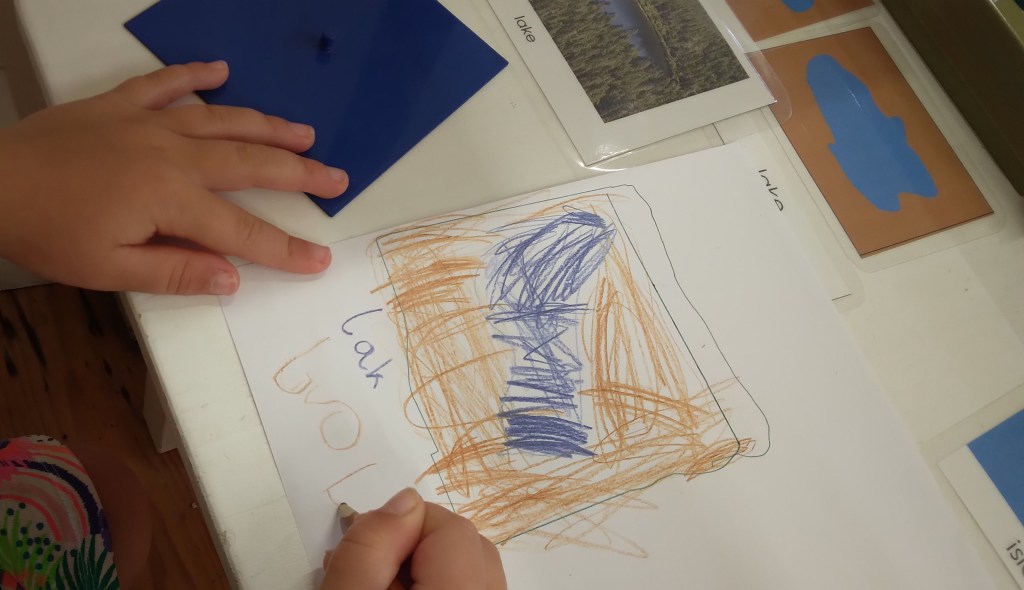
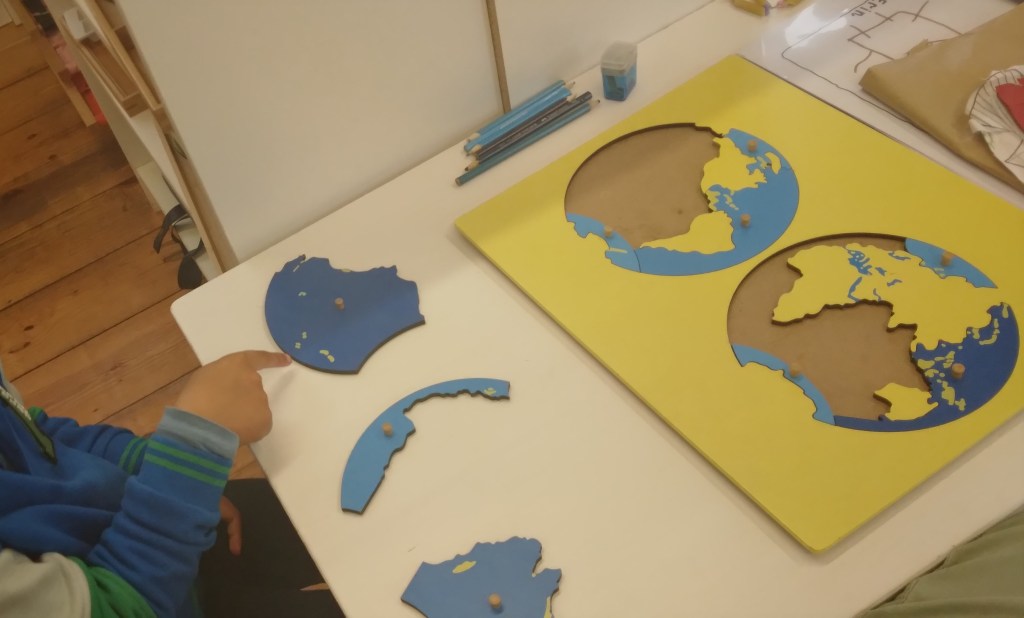
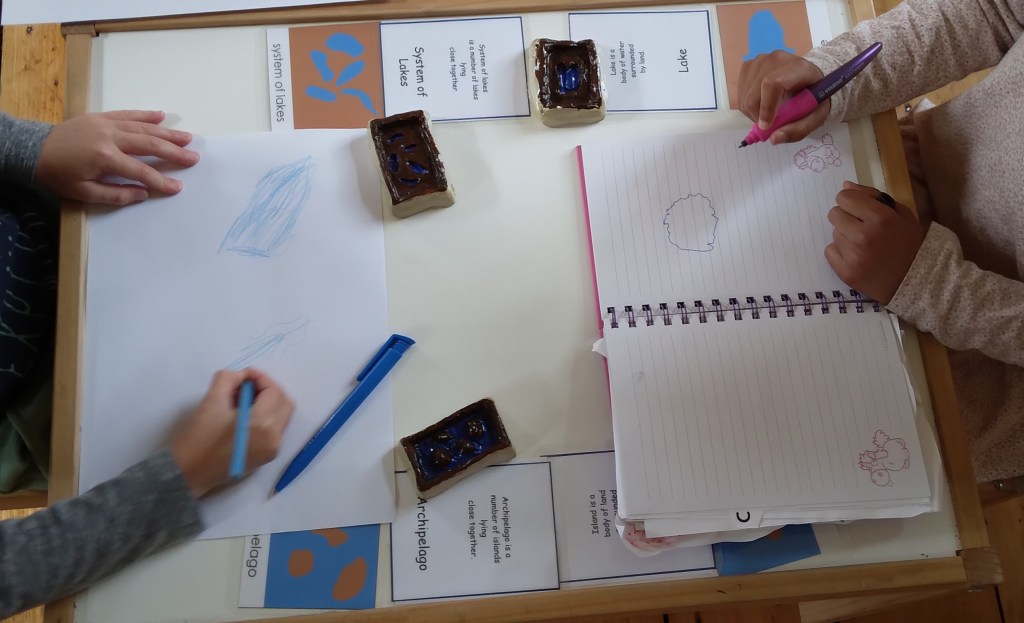
As we talk about the Earth, we looked at the amount of water is on this planet. We talked about oceans, rivers, seas, lakes and we look at animals that live in water or near water and how important those are for our ecosystem.
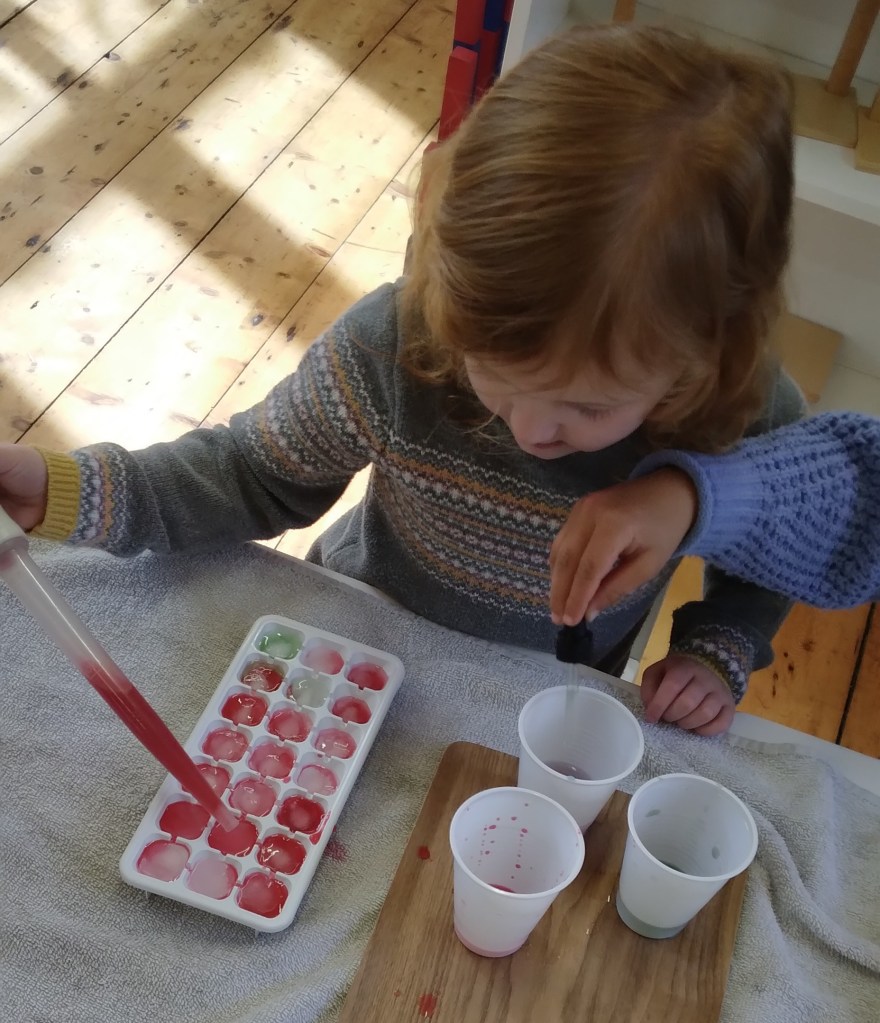
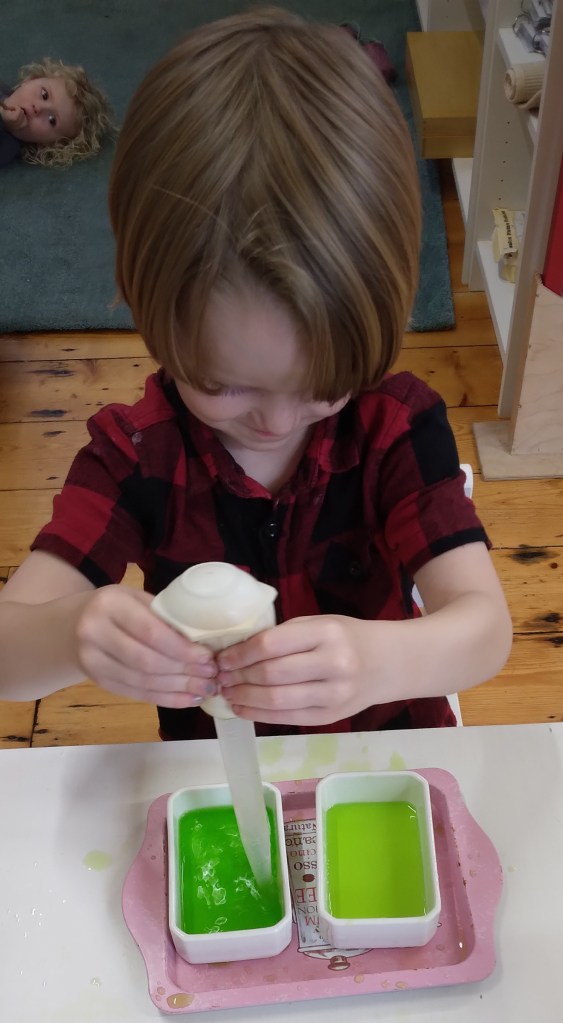
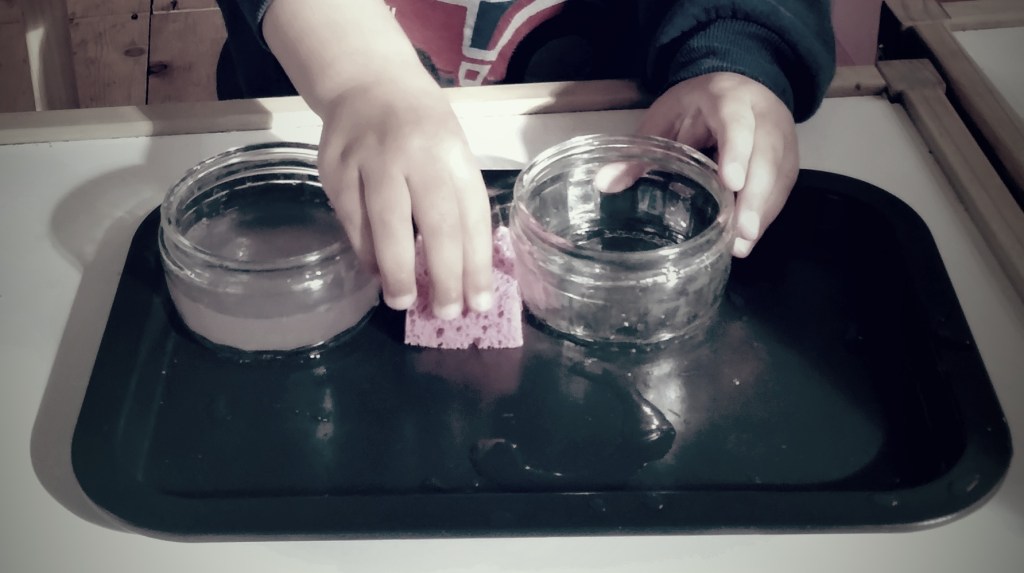
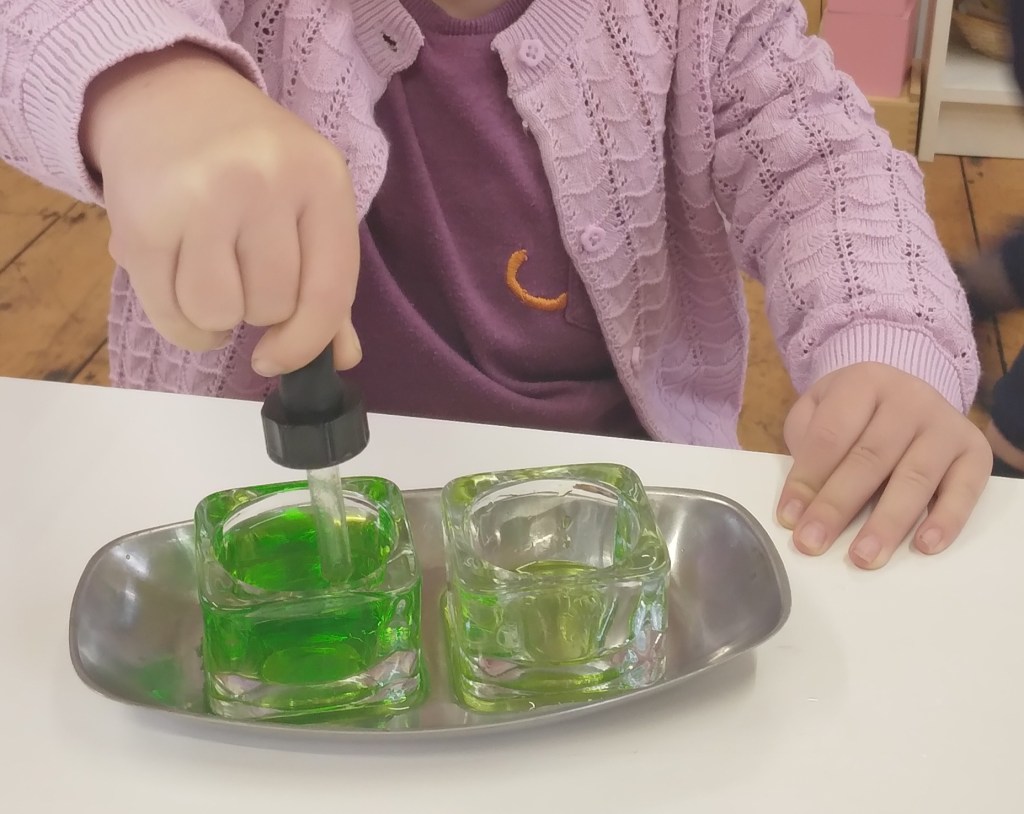
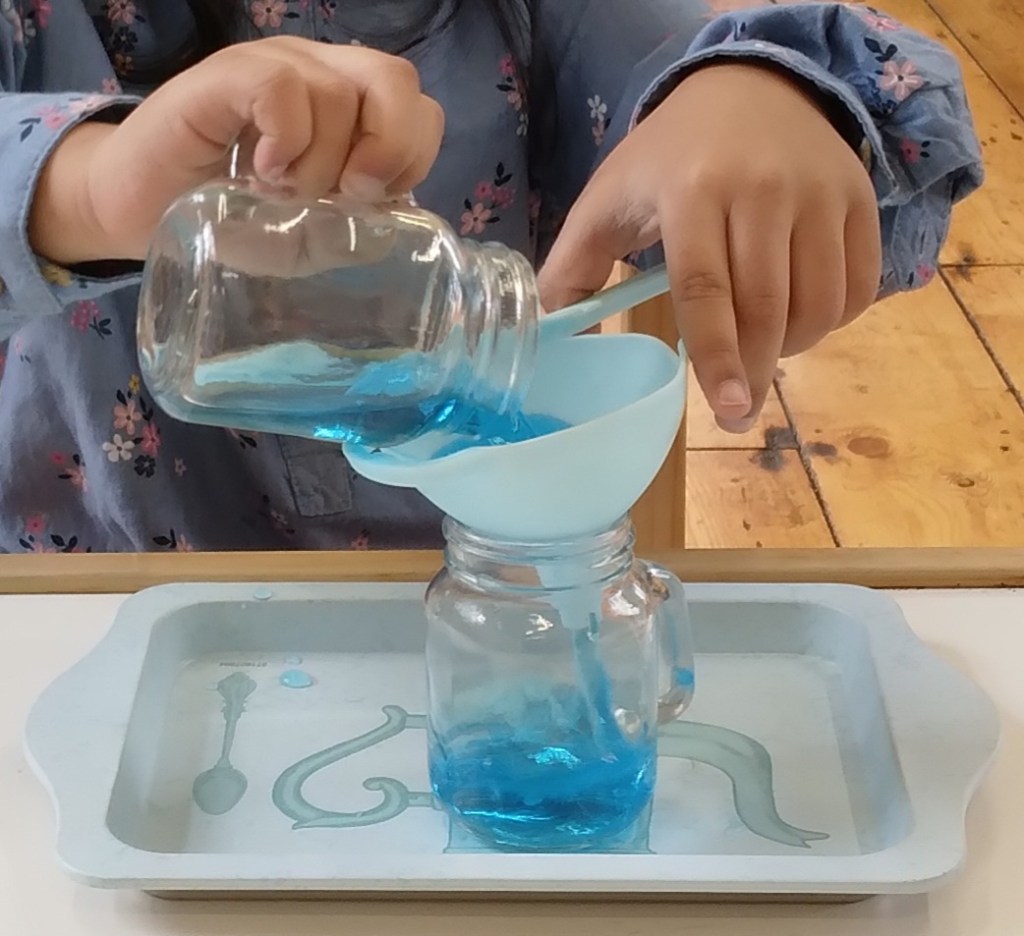
We talk about water pollution. Children and enjoy activities removing rubbish and waste from the water using different tools like tongs, tweezers, spoons, forks. We set up activities in Practical Life area in our classroom, that involve water play; with transferring water with the sponge, turkey baster and pipette. We were amused to see how children-built storage for the rainwater in our garden. Amazing learning took place there.
Energy: What is it? What do we use it for? Where does it come from, reducing use, greener energy sources
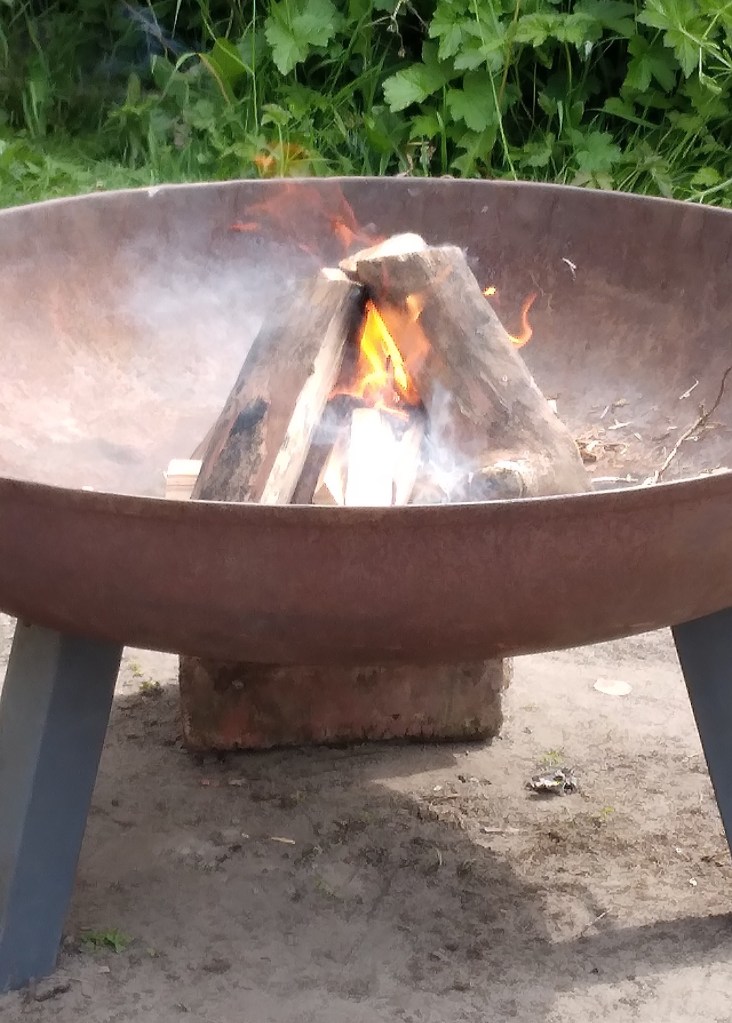
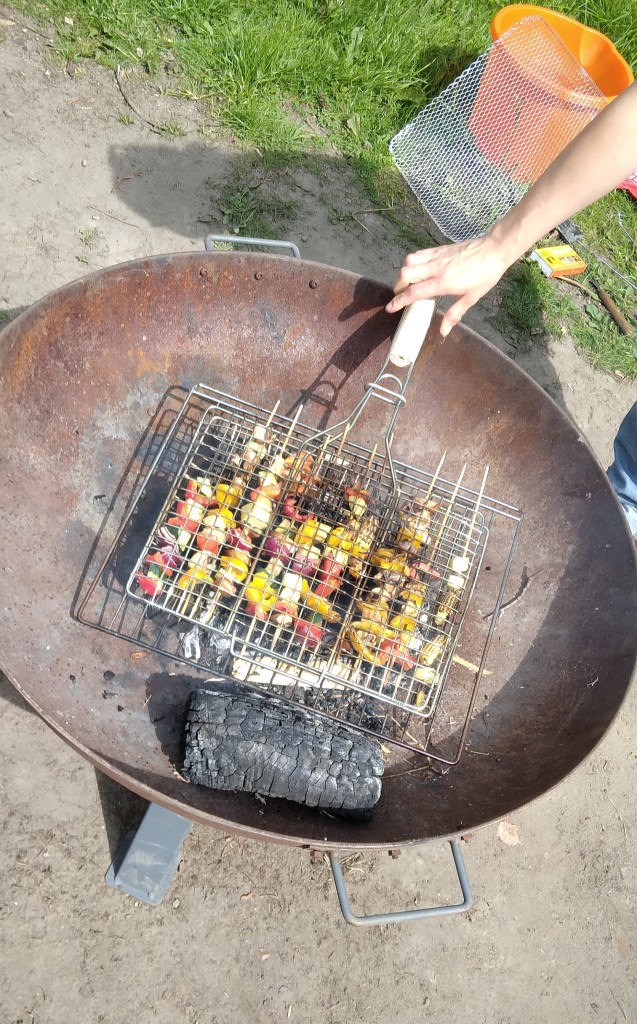
Together with children we explore topic on energy. In a Democratic way we found the definition of energy we discuss about how we use it, where energy come from, how we can reduce the use of energy and how to use more sustainable energy. In our classroom we offer a lot of different experiments with the heat and with the light as a source of energy and we also have electricity free day: when none of us were using electrical appliances. On that day we didn’t use the light in our nursery we heated our food on the fire and we get warmth from the fire on that day too, as we weren’t using the heating. That was different, new experience for us all, as we so used to the energy that we use daily.
Global Citizenship: Taking an active role in our community and making our planet more peaceful, sustainable and fair. – endangered animal focus. Adopt an animal.
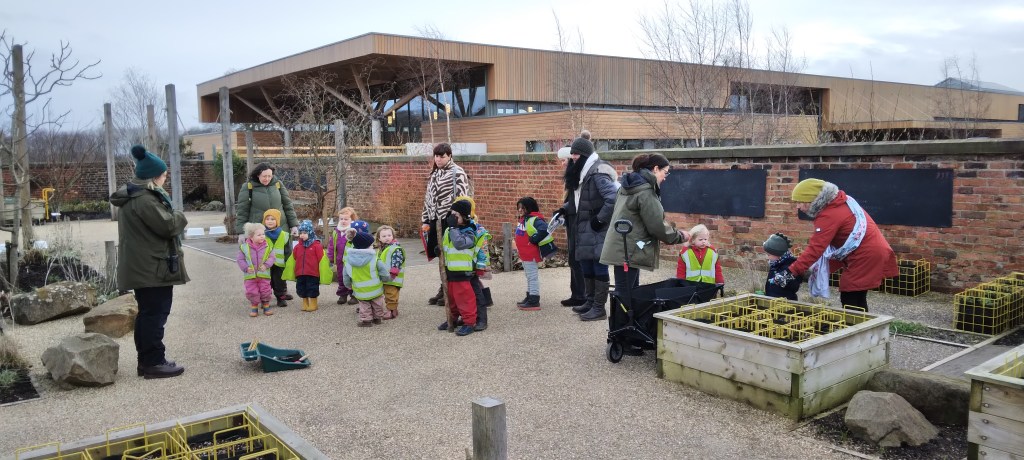
The most important part of our project of becoming an eco-Nursery, was to build an awareness within the community and teach little children that attend to our kindergarten, about the important role that they’re growing into. The role of being a global citizen, a man responsible for the planet Earth, a man who will be making changes to make this planet more sustainable for himself/ herself and the community. Throughout the year and different activities offered, we encourage children to play daily outdoors to benefit from mother nature to grow their own food to look after the garden and to Care one of another, because we want them to understand, and be prepared for this important role in their lives. Children at Manchester Montessori House have adopted a turtle. They walked around the park for 2 miles to raise the funds to adopt this reptile. Happily walking along they’ve sung eco songs they learn, to build awareness in the local community building awareness for the future and learning about importance of the environment for their own children.
























 Manchester Montessori House